Industrial Food Packaging & Processing Machines | Huchuan

All Categories

Frying Machines Multi Function - General Should Be More Specific

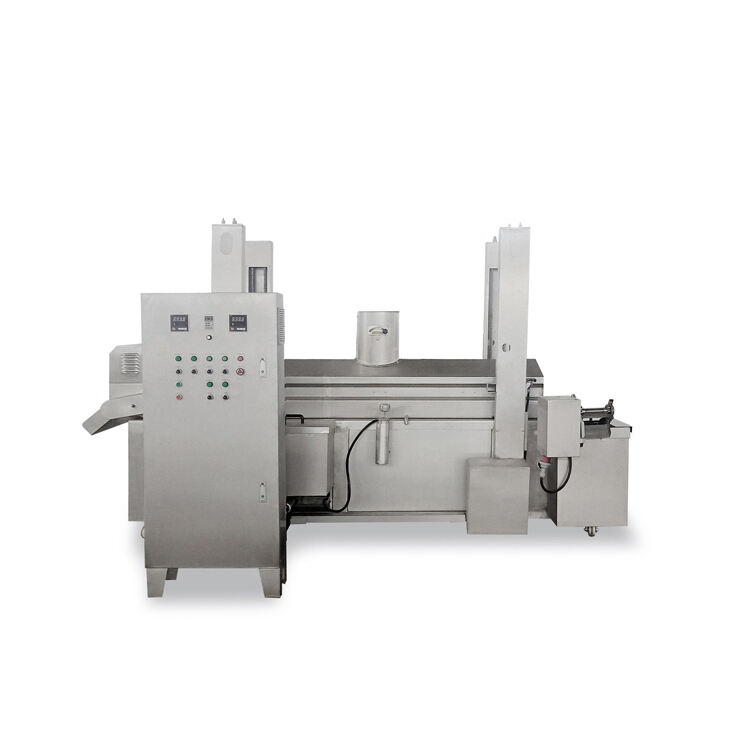
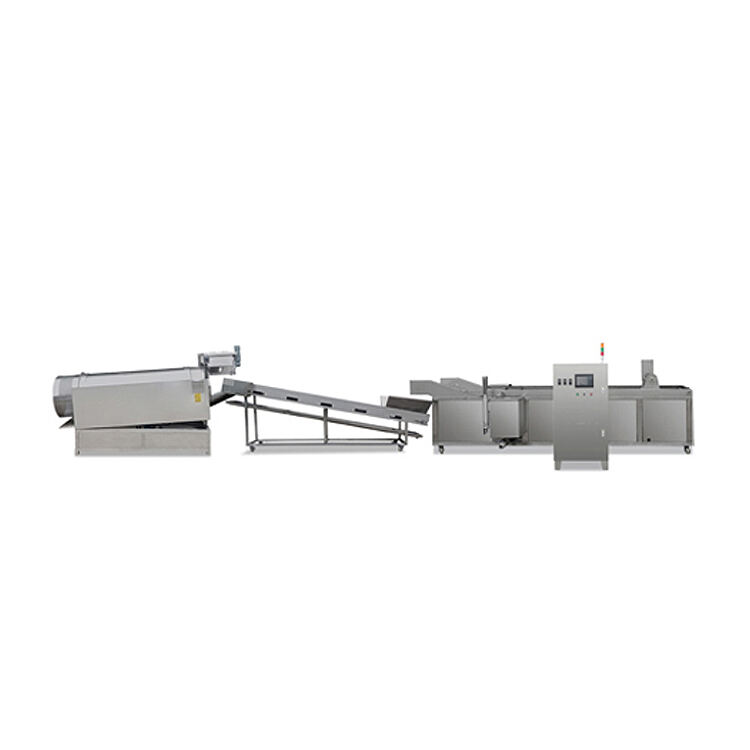
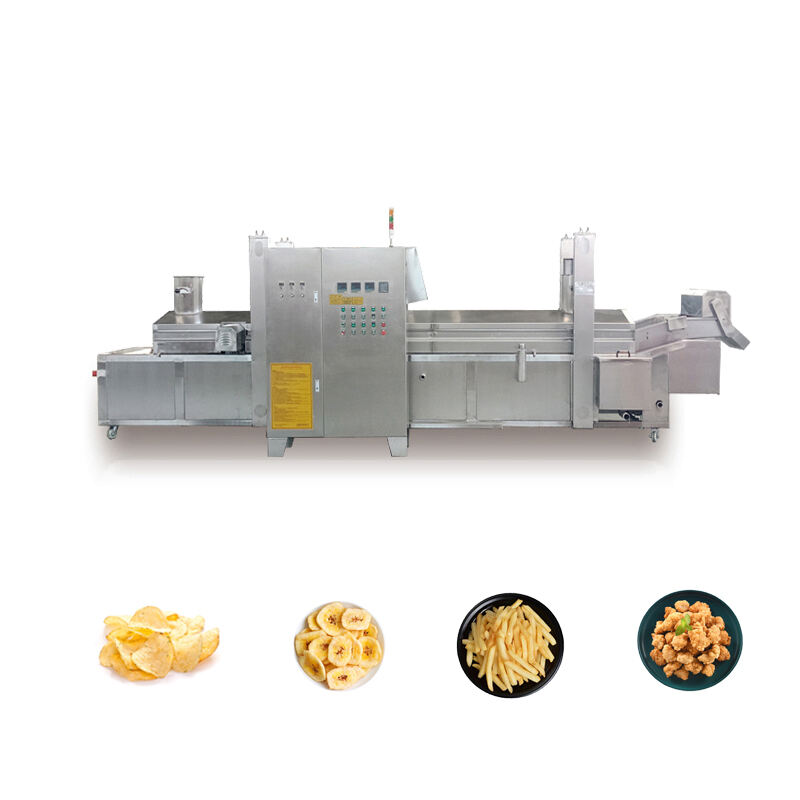
Multi - function frying machines also to fry all ranges of foods from meat, and vegetables to snacks. They are versatile as they are set for several other features and allow for varying fry methods and styles of cooking.
Get A Quote

Frying Machines That Stand Out In The Industry: Their Benefits

A design that needs little maintenance and is energy saving

A conventional model a frying machine uses thin jackets for thermal protection which makes their ovens inflate and expand equally these using spacer ovens to collide the heat energy into each other in overlap convention to and reduce energy needed by 25%. The low-noise their pumps and motors( ≤ 75 dB) are within the limits of occupational health and safety, while self-cleaning oil tanks and detachable conveyor belts are helpful for maintenance. Corrosive Stainless steel construction is extremely acidic. food resistant which allows for 10 years of life with little wear and tear. For small to medium enterprises, semi-automatic variants are available which provide 40% energy savings at a professional operating level.

Related products

A multi-function frying machine is a versatile piece of equipment designed to meet diverse frying needs across the food processing industry, making it a staple for both small-scale food businesses and large manufacturing facilities. Unlike single-purpose fryers that only handle specific food types, this machine integrates multiple capabilities to fry a wide range of products, including French fries, chicken nuggets, onion rings, tempura, doughnuts, and even vegetable snacks—all while maintaining consistent quality and operational efficiency. Its core design features typically include adjustable temperature controls (ranging from 120°C to 220°C, catering to different frying requirements), variable frying time settings, and interchangeable baskets or conveyor belts that adapt to various food shapes and sizes. Many advanced models also incorporate oil filtration systems to extend oil lifespan, reducing operational costs and ensuring food safety by minimizing oil degradation. Additionally, some units come with dual or multiple frying chambers, allowing simultaneous frying of different products without flavor cross-contamination—a critical advantage for food facilities aiming to boost productivity and diversify their product lines. From a technical standpoint, the machine’s heating systems (often electric, gas, or infrared) are engineered for uniform heat distribution, preventing hot spots that can lead to unevenly fried food (e.g., undercooked centers or overburnt exteriors). Safety features are also prioritized, such as heat-resistant handles, automatic oil level monitoring, and emergency shut-off systems to comply with industry safety standards. For businesses, investing in a multi-function frying machine translates to space optimization (replacing multiple single-use fryers with one unit), labor savings (simplified operation and reduced need for dedicated staff for each fryer), and enhanced flexibility to respond to changing market demands—whether it’s seasonal snacks or new product launches. In global markets, this equipment is adapted to different voltage standards (e.g., 110V for North America, 220V for Europe and Asia) and fuel preferences, ensuring compatibility with local infrastructure. Overall, the multi-function frying machine stands out as a cost-effective, efficient, and adaptable solution that aligns with the dynamic needs of modern food processing operations, supporting businesses in delivering high-quality fried products while maximizing resource utilization.
Frequently Asked Questions

What is the functionality of an oil management system?

There are two separate oil tanks, which consist of fresh and used oil, and each is equipped with a filtration system that collects particulates every half hour. The oil-costs are reduced by 40% since the optional automatic oil recycling module can filter and reuse a single batch of oil fifty times. For high-acid products, such as pickles, the tanks and pumps are made out of materials resistant to corrosion to prevent degradation of oil.

Related Articles

Innovative Packaging Solutions for Food Industry

24

May

Innovative Packaging Solutions for Food Industry

View More
Modified Atmosphere Packaging: Key to Freshness

05

Jun

Modified Atmosphere Packaging: Key to Freshness

View More
Freeze-Dried Avocado Slices Sweep Europe and America: How Does Vacuum Freeze-Drying Technology Create a Global Health

24

May

Freeze-Dried Avocado Slices Sweep Europe and America: How Does Vacuum Freeze-Drying Technology Create a Global Health

View More
Tunnel style freezer: 3-30 minutes of rapid freshness locking, solving the efficiency problem in the food industry

05

Jun

Tunnel style freezer: 3-30 minutes of rapid freshness locking, solving the efficiency problem in the food industry

View More

customer evaluation

Quinn
Exceptional for export compliance

All EU standards set for Kangbeit's fryer were met. It’s CE certification was effortless due to the stainless steel build and CIP system. We now fry 1200kg/h of crispy snacks with no cross-contamination and the energy efficiency meets our sustainability targets."“Global markets require top-tier equipment.

Get a Free Quote

Our representative will contact you soon.
Email
Name
Company Name
Message
0/1000
Intelligent Fry Control System

Intelligent Fry Control System

The PLC-based HMI interface logs oil temperature, frying time, and energy consumption. Over 50 recipes for different products are stored and can be recalled instantly. The energy and quality of the processes can be optimized and tracked through the various data logging features.
Dual-Zone Frying Technology

Dual-Zone Frying Technology

Our patented technology yields the opportunity for an improved fuel efficiency due to simultaneous dual zone frying of two different products. For example, shrimp can be fried at 170°C while fries are being cooked at 190°C in zone two. This aids in maximum productivity without adding more machines.
Sustainability Features

Sustainability Features

Reduced Oil Waste: The company’s oil recycling program cuts oil waste by at least 40% which for larger facilities directly saves over 2000 liters a year. Energy Recuperation: The company’s energy recuperation feature captures waste heat to pre-heat the products cutting energy use by 15%. Recyclable Components: Machine parts totaling around 90% are recyclable aiding in the circular economy. This clearly improves efficient and at the same time help preserve the environmental standards.
Newsletter
Please Leave A Message With Us