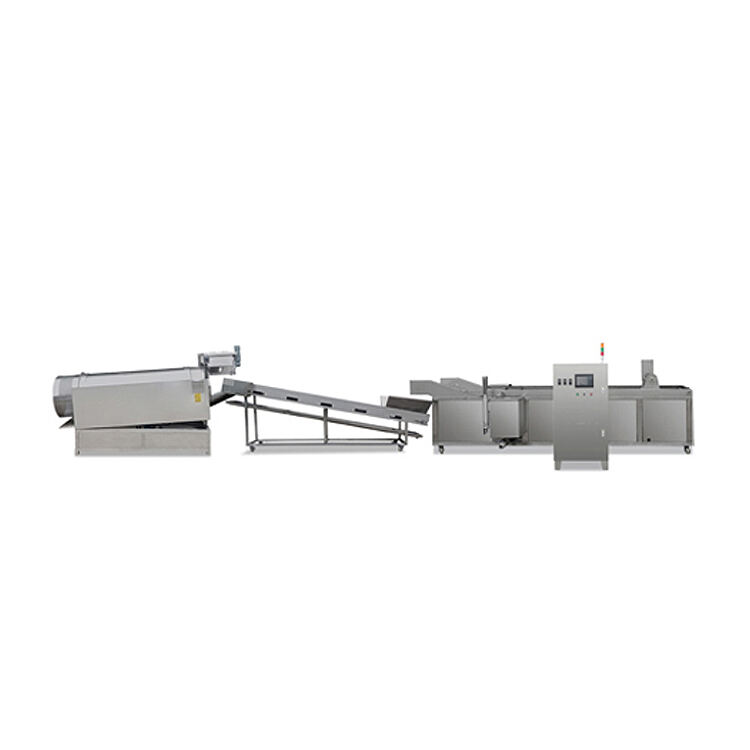
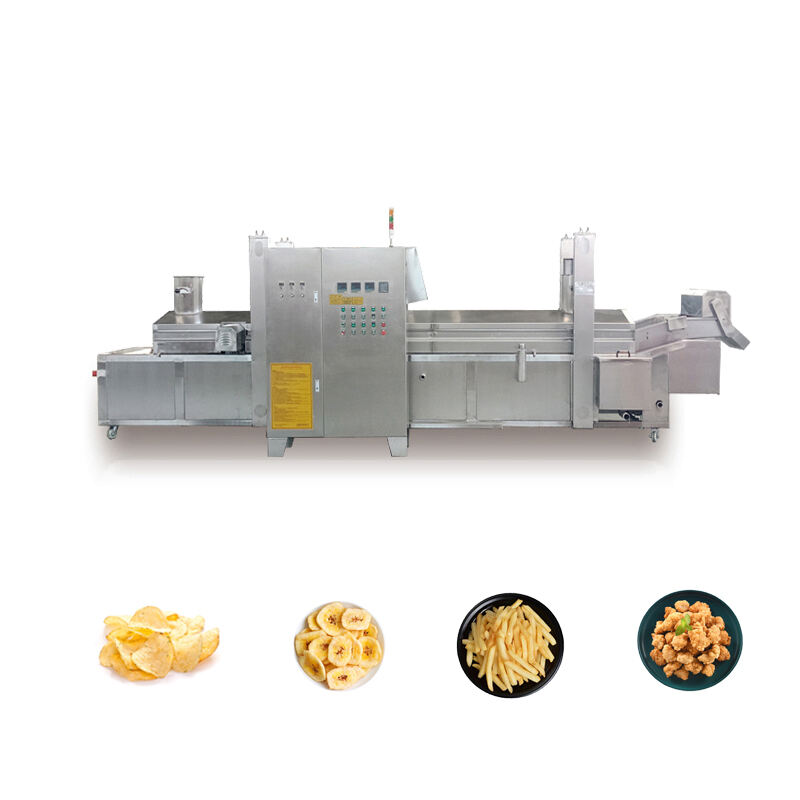
An ISO compliant frying machine is a critical investment for food processing businesses operating in global markets, as it adheres to the strict quality, safety, and environmental standards set by the International Organization for Standardization (ISO)—most notably ISO 9001 (quality management systems) and ISO 22000 (food safety management systems), along with additional standards related to energy efficiency and material safety. Compliance with these standards is not merely a regulatory requirement but a testament to the machine’s reliability, ability to minimize food contamination risks, and alignment with best practices in the food industry. From a design perspective, ISO compliant frying machines are constructed using food-grade materials that meet ISO’s specifications for non-toxicity, corrosion resistance, and ease of cleaning—typically 304 or 316 stainless steel for contact surfaces, which prevents metal leaching into food and withstands frequent sanitization. The machine’s heating systems are calibrated to maintain precise temperature control (within ±2°C), a key requirement under ISO 22000 to ensure food is cooked to safe internal temperatures, eliminating harmful bacteria like Salmonella or E. coli. Additionally, ISO compliance mandates rigorous testing and documentation throughout the manufacturing process: each machine undergoes performance tests (e.g., heating rate, temperature uniformity, oil consumption) and safety checks (e.g., electrical insulation, emergency stop functionality) before leaving the factory, with detailed records kept to support traceability—an essential feature for businesses facing audits or product recalls. Energy efficiency is another focus of ISO standards; many compliant frying machines incorporate heat recovery systems, which capture and reuse excess heat from the frying process, reducing energy waste and lowering operational costs while aligning with ISO 50001 (energy management systems). For businesses exporting their products, an ISO compliant frying machine is often a prerequisite to entering international markets, as it demonstrates compliance with the food safety regulations of countries like the EU (EC Regulation 178/2002), the US (FDA guidelines), or Japan (JAS standards). Beyond regulatory compliance, these machines offer long-term benefits: reduced maintenance costs due to high-quality components, improved brand reputation among consumers who prioritize food safety, and simplified integration into existing quality management systems. Regular audits and certifications (renewed periodically) ensure that the machine continues to meet ISO standards over its lifespan, providing businesses with ongoing confidence in their operations. In summary, an ISO compliant frying machine is more than just equipment—it is a strategic tool that safeguards food safety, ensures market access, and drives operational excellence in line with global industry benchmarks.
05
Jun
05
Jun
24
May
24
May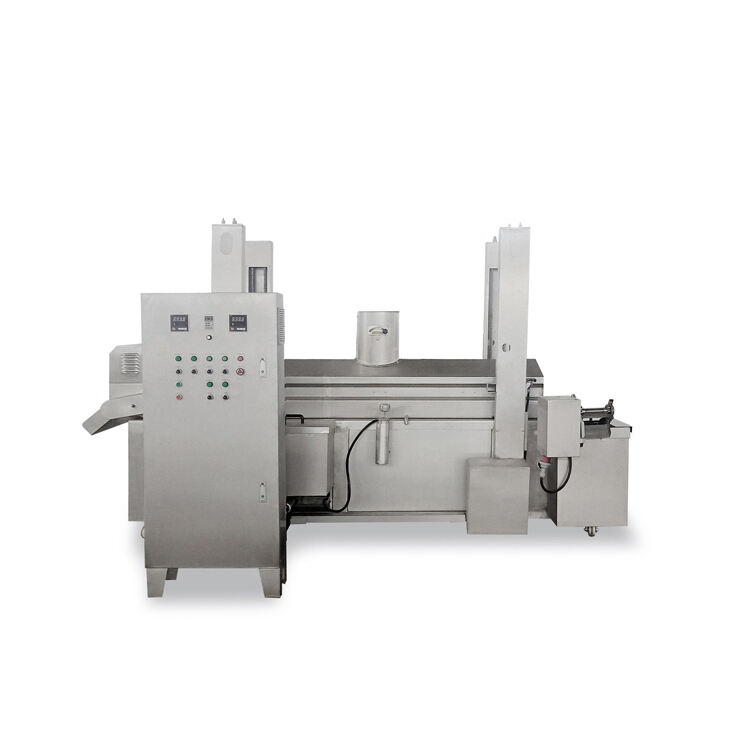
Copyright © 2025 by Shandong Kangbeite Food Packaging Machine Co., Ltd. Privacy policy
 EN
EN