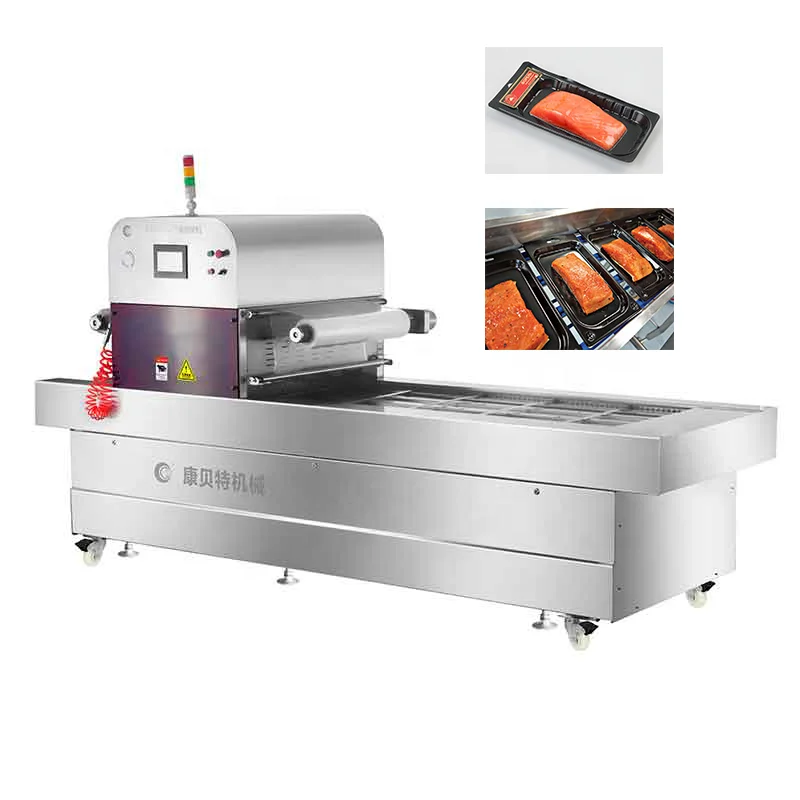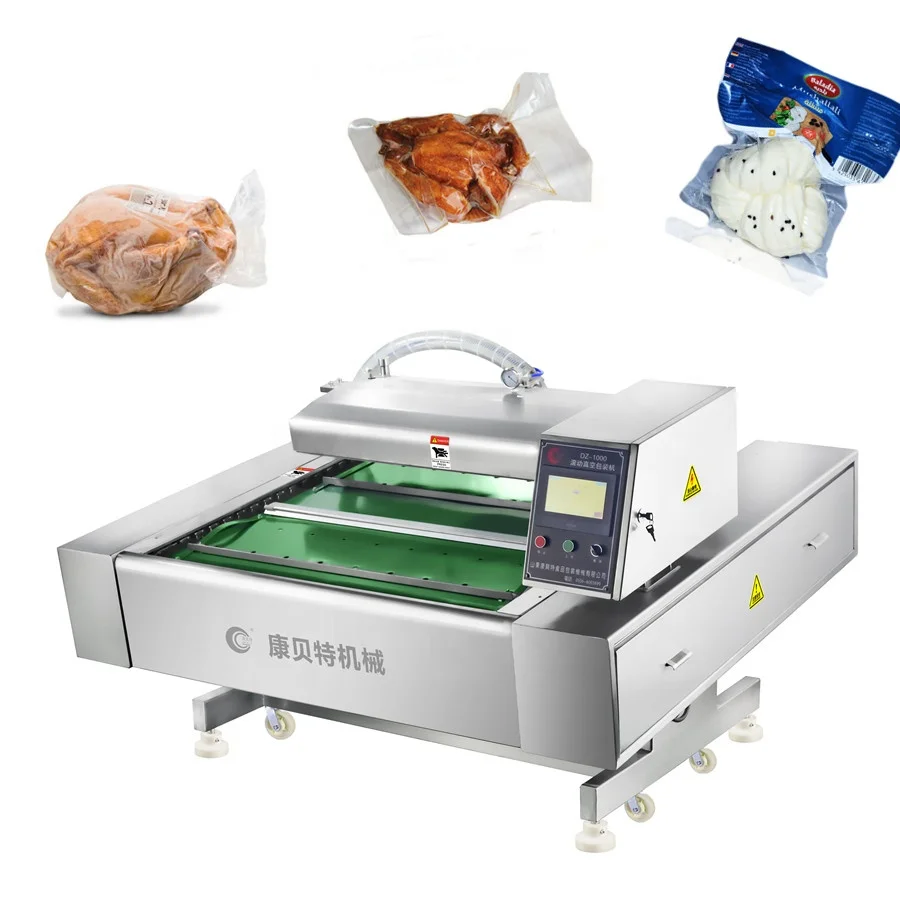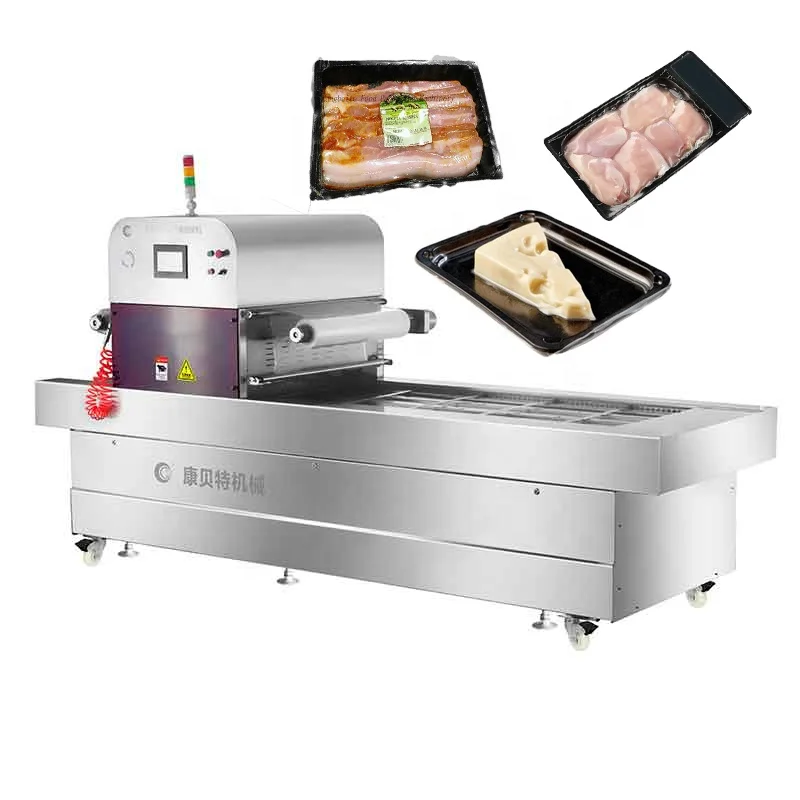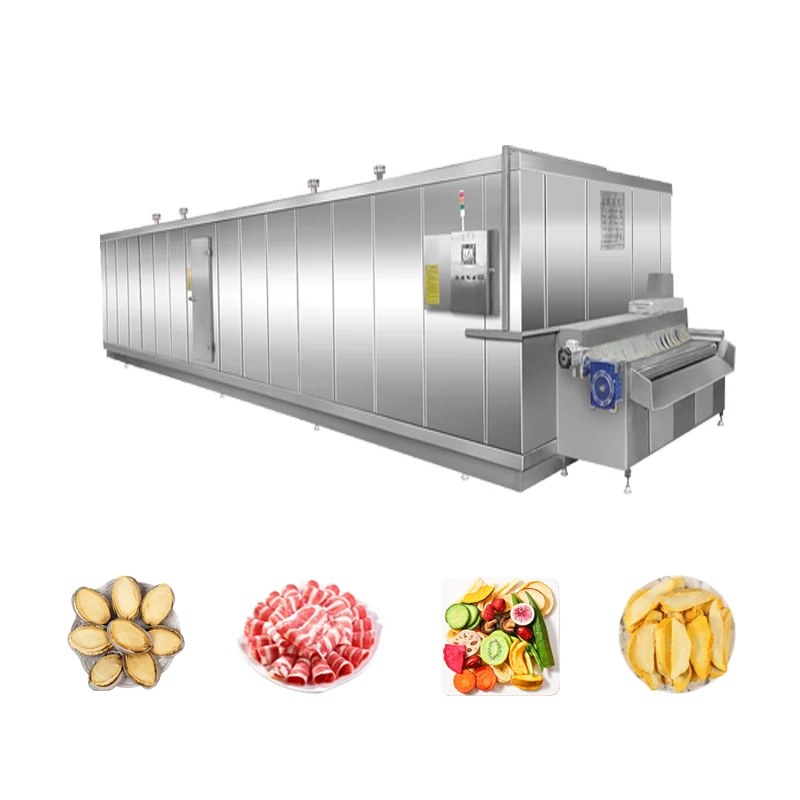
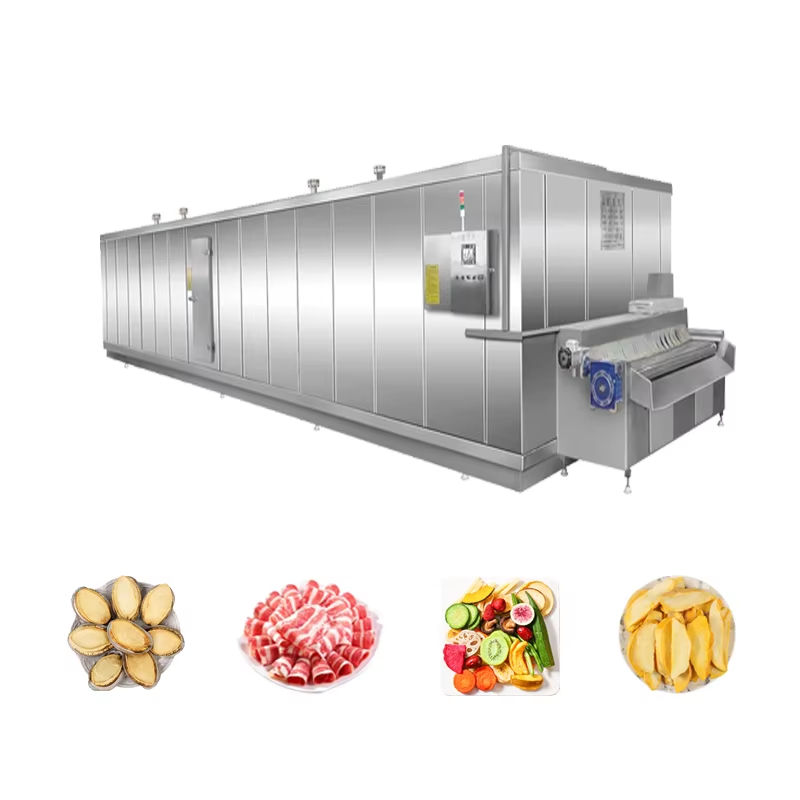
Freezing equipment for meat is a specialized class of refrigeration systems designed to preserve the quality, safety, and shelf life of various meat products—including beef, pork, chicken, lamb, and processed meats like sausages or burgers—by rapidly lowering their temperature to below -18°C (the threshold for inhibiting microbial growth and enzymatic spoilage). Meat presents unique challenges for freezing: it has a high protein and fat content, a complex muscle structure, and is prone to quality issues like "freezer burn" (moisture loss), texture toughening, and lipid oxidation (which causes off-flavors) if frozen incorrectly. This equipment addresses these challenges through precise temperature control, optimized freezing rates, and food-safe designs, complying with strict global standards such as ISO 22000, HACCP, USDA FSIS regulations, and EU EC 853/2004. The primary types of freezing equipment for meat include spiral freezers, plate freezers, tunnel freezers, and cryogenic freezers. Spiral freezers are widely used for processed meat products (e.g., chicken nuggets, meatballs) and portioned cuts (e.g., steak, pork chops), featuring a vertical spiral conveyor that maximizes space efficiency and handles high capacities (1,000–8,000 kg/h). They use air-blast technology (-35°C to -45°C) to freeze meat uniformly, with adjustable air velocity to prevent surface drying. Plate freezers are ideal for large meat blocks (e.g., 50 kg beef slabs) or whole carcasses, using flat, refrigerated plates that apply direct pressure to ensure rapid heat transfer. This method minimizes moisture loss and preserves meat texture, making it suitable for industrial meat processors supplying butcher shops or food manufacturers. Tunnel freezers, with their horizontal design, use either air-blast or cryogenic technology for continuous freezing of meat products like sausages or sliced deli meats. Cryogenic freezers, using liquid nitrogen (LN2) to reach -196°C, freeze meat in minutes—ideal for high-value products like sushi-grade tuna or delicate cuts of lamb, as ultra-fast freezing minimizes ice crystal formation (which can damage muscle cells and lead to juiciness loss when cooked). Key design features of freezing equipment for meat include food-grade stainless steel (304 or 316) construction for all contact surfaces—resistant to corrosion from meat juices (which are acidic and high in salt) and easy to sanitize. Many systems include defrost cycles that prevent ice buildup on plates or conveyors, ensuring consistent performance.
05
Jun
24
May
05
Jun
05
Jun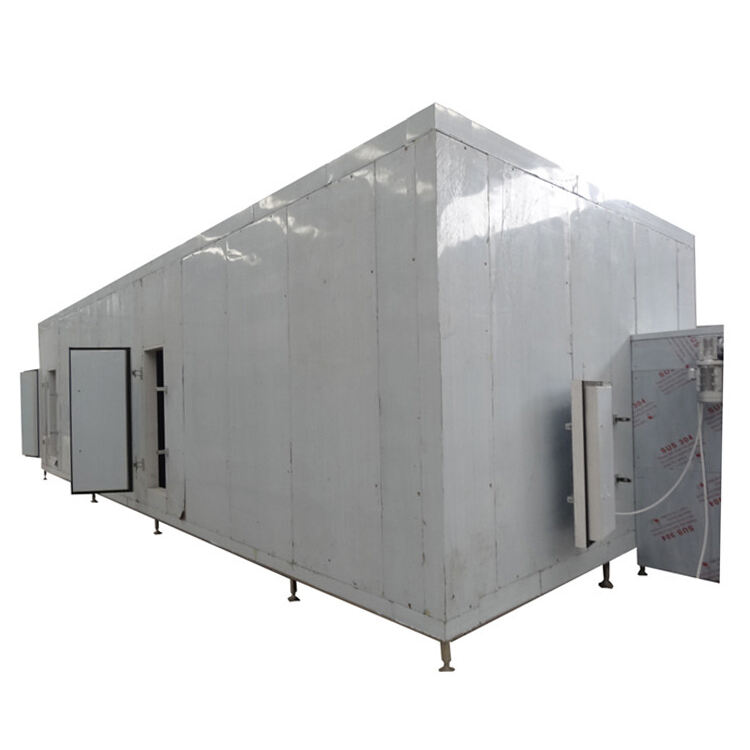
Copyright © 2025 by Shandong Kangbeite Food Packaging Machine Co., Ltd. Privacy policy
 EN
EN