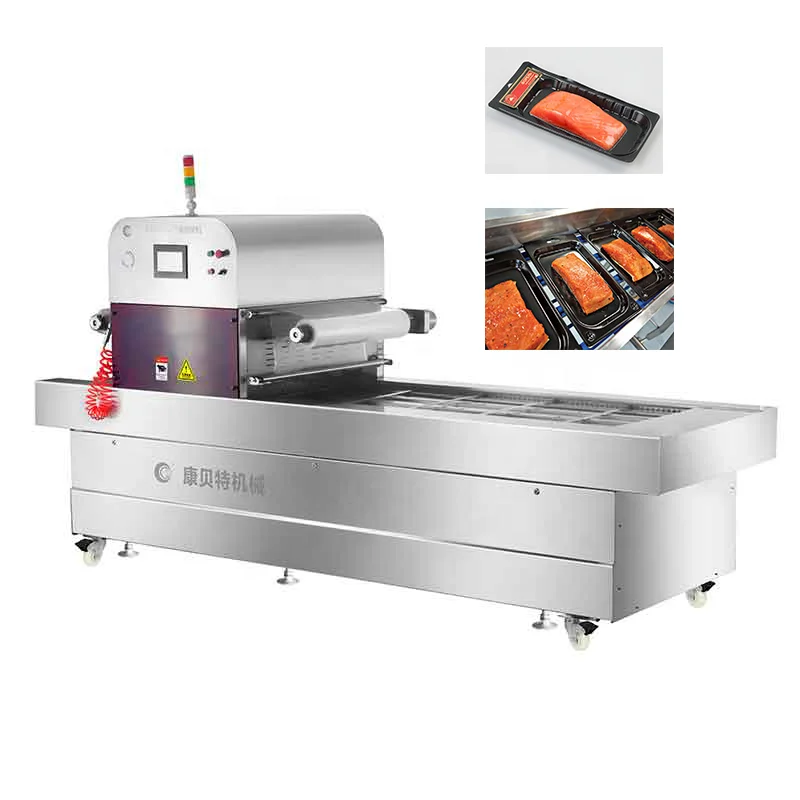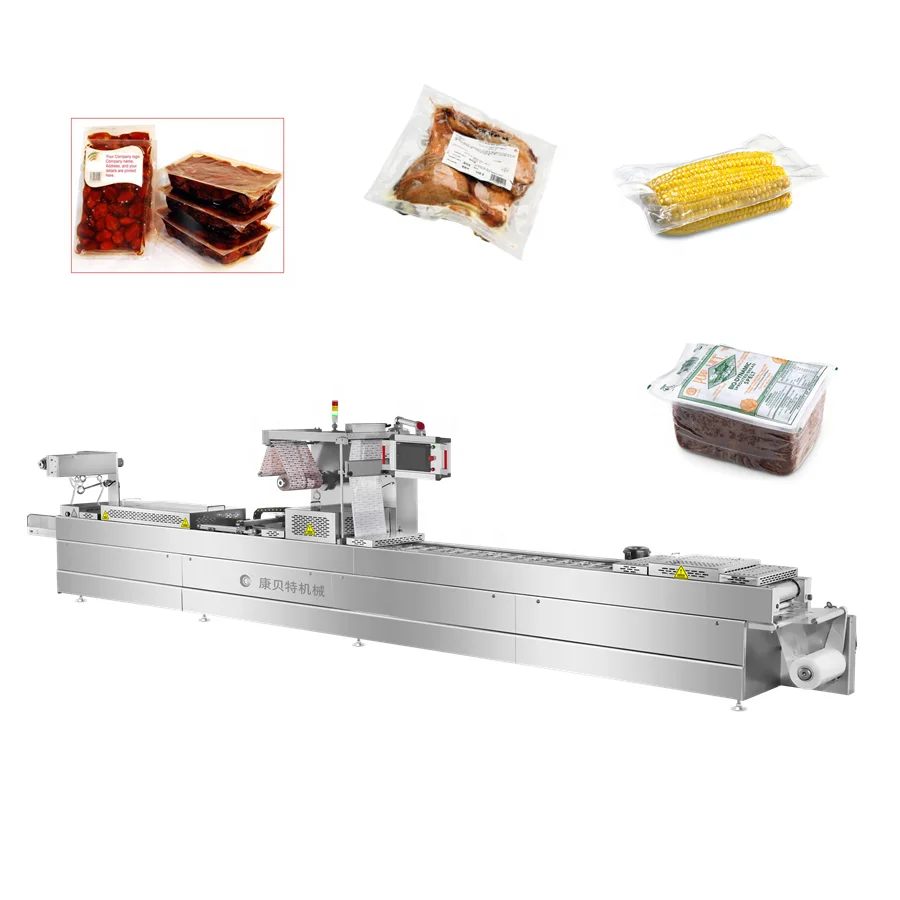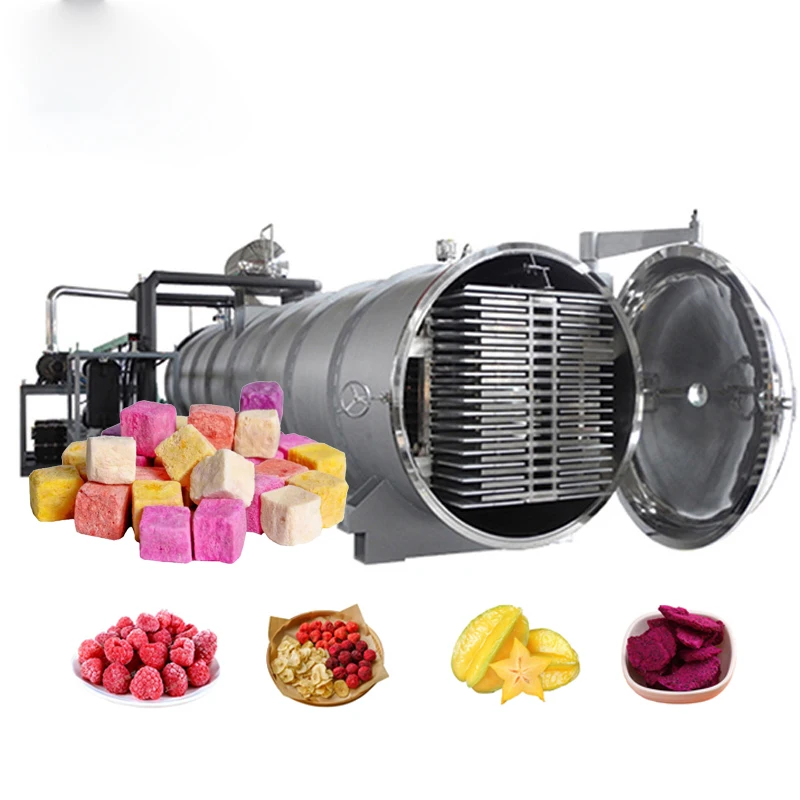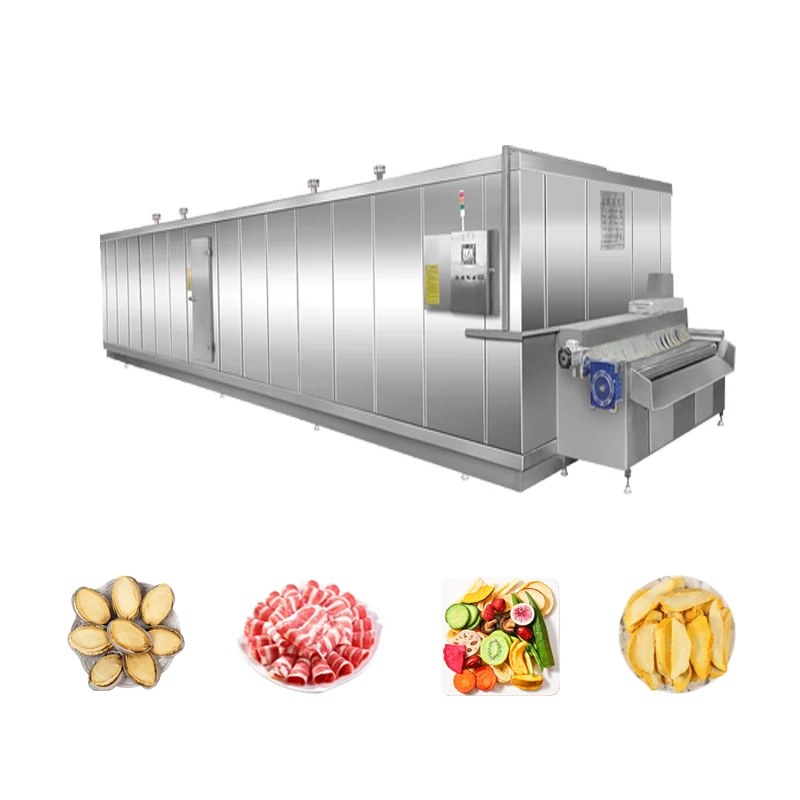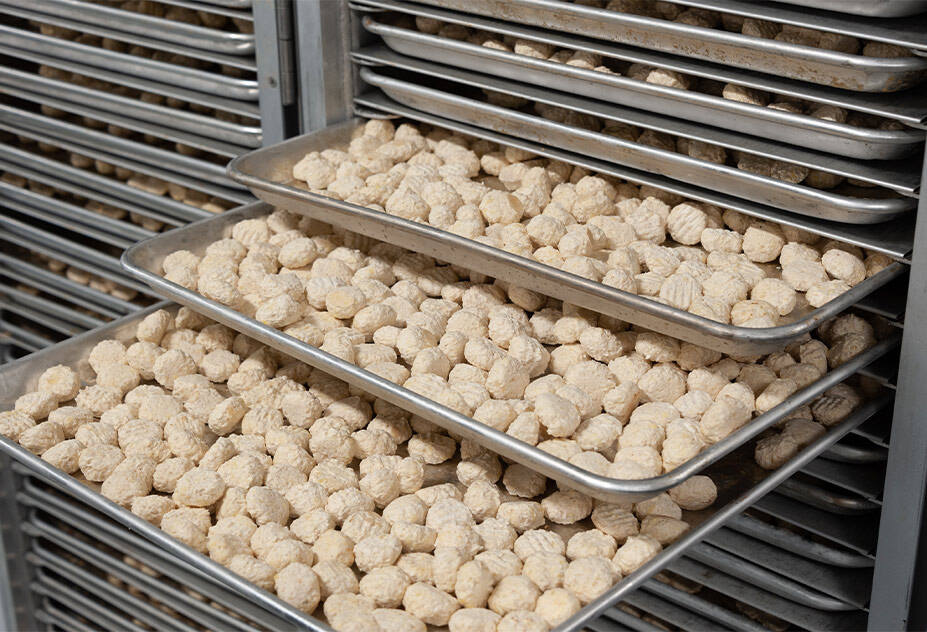
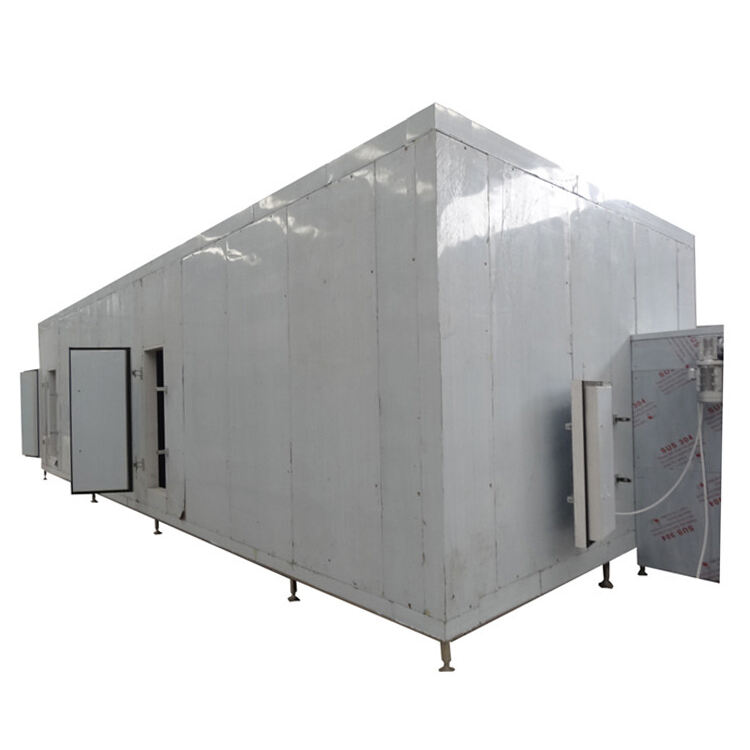
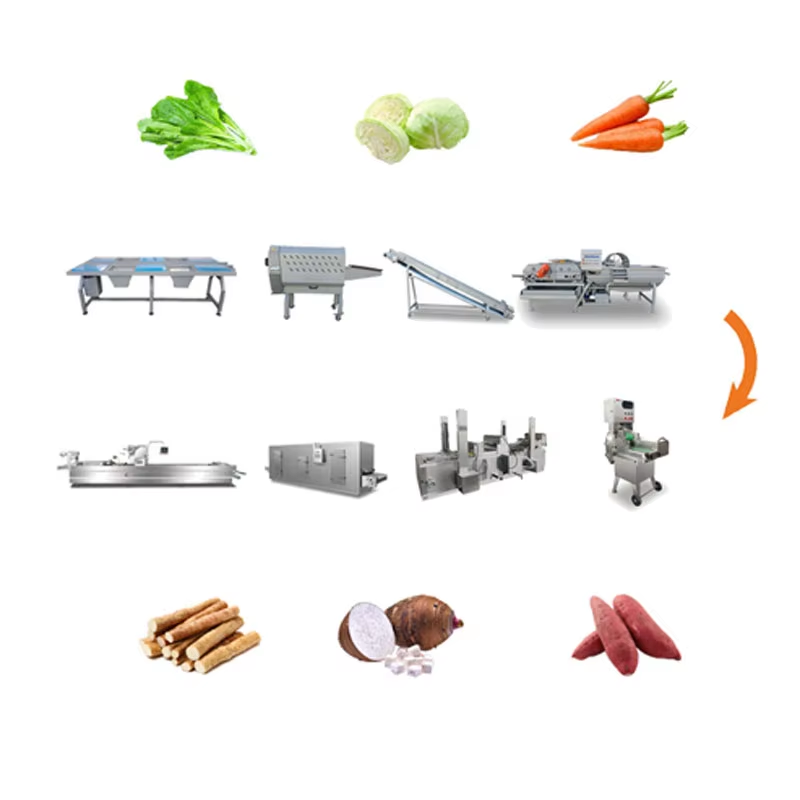
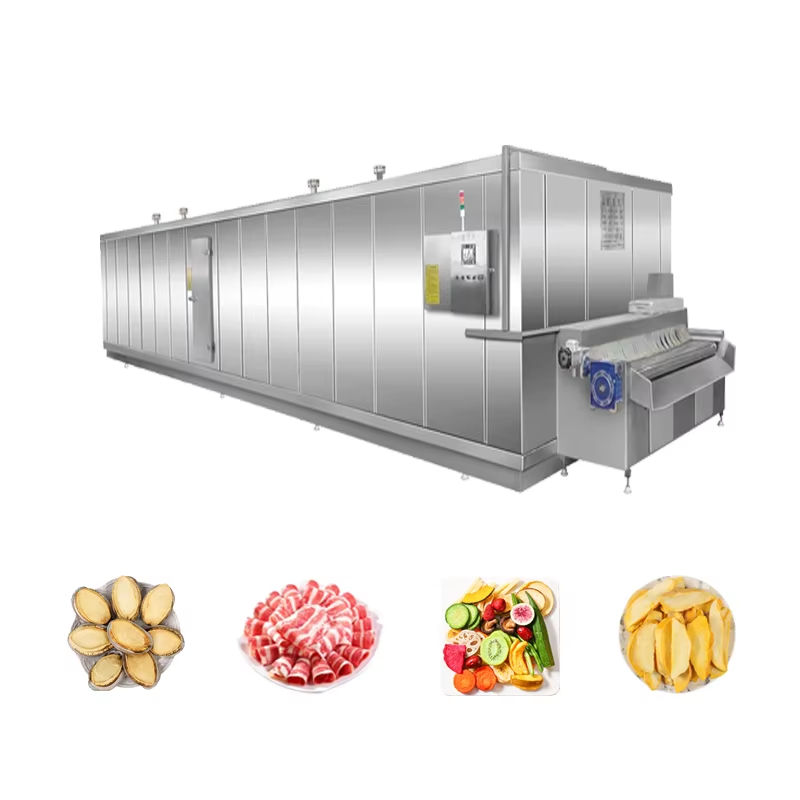
Freezing equipment for vegetables is a specialized category of refrigeration technology engineered to address the unique physical and biochemical properties of vegetables, ensuring optimal preservation of their texture, color, nutrients, and safety during freezing and storage. Vegetables—such as broccoli, carrots, potatoes, peas, and leafy greens—contain high levels of water, enzymes (e.g., peroxidases, polyphenol oxidases), and fiber, which make them prone to cell damage, enzymatic browning, and microbial growth if not frozen properly. This equipment is designed to mitigate these issues through rapid, uniform freezing, aligning with industry standards like ISO 22000, HACCP, and regional regulations (e.g., EU EC 853/2004, US FDA 21 CFR). The most common types of freezing equipment for vegetables include IQF (Individual Quick Freezing) tunnels, spiral freezers, and batch freezers. IQF tunnels are ideal for small to medium-sized vegetables (peas, diced carrots, broccoli florets), using high-velocity cold air (-35°C to -45°C) to freeze each piece individually, preventing clumping and ensuring easy portioning later. Spiral freezers, with their vertical spiral conveyor design, save floor space and handle high capacities (1,000–5,000 kg/h), making them suitable for large-scale production of vegetables like French fries or sliced potatoes. Batch freezers, meanwhile, are used for smaller batches or irregularly shaped vegetables (e.g., whole peppers, cauliflower heads), allowing for flexible processing. A critical pre-freezing step integrated into many systems is blanching—using hot water or steam to inactivate enzymes and reduce microbial load—with some freezing equipment featuring built-in blanching modules for a seamless workflow. Design features specific to vegetable freezing include adjustable air flow rates (to accommodate varying vegetable densities), food-grade stainless steel (304 or 316) contact surfaces (resistant to corrosion from vegetable acids and frequent cleaning), and insulation with CFC-free foam to maintain temperature stability. For leafy greens (spinach, kale), which are particularly delicate, some equipment uses cryogenic freezing with liquid nitrogen (-196°C) to freeze them in seconds, minimizing moisture loss and preserving crispness. Energy efficiency is a key focus, with features like heat recovery systems (capturing waste cold air to pre-cool incoming vegetables), variable-speed compressors, and LED lighting to reduce operational costs. Additionally, modern equipment includes PLC-based control systems with touchscreen interfaces, enabling operators to monitor and adjust parameters like freezing time, temperature, and conveyor speed—ensuring consistency across batches. Sanitization is simplified through smooth, crevice-free surfaces, removable components, and automated CIP (Clean-in-Place) systems, reducing the risk of cross-contamination. Capacity options range from small-scale units (50–200 kg/h) for local processors to industrial-scale systems (over 5,000 kg/h) for multinational food companies. Compliance with global certifications (CE, FDA, JAS) ensures that frozen vegetables can be exported to international markets. In summary, freezing equipment for vegetables is a vital tool for the food industry, enabling year-round availability of high-quality, nutritious vegetables while meeting the strict safety and quality demands of consumers and regulators worldwide.
Copyright © 2025 by Shandong Kangbeite Food Packaging Machine Co., Ltd. Privacy policy
 EN
EN