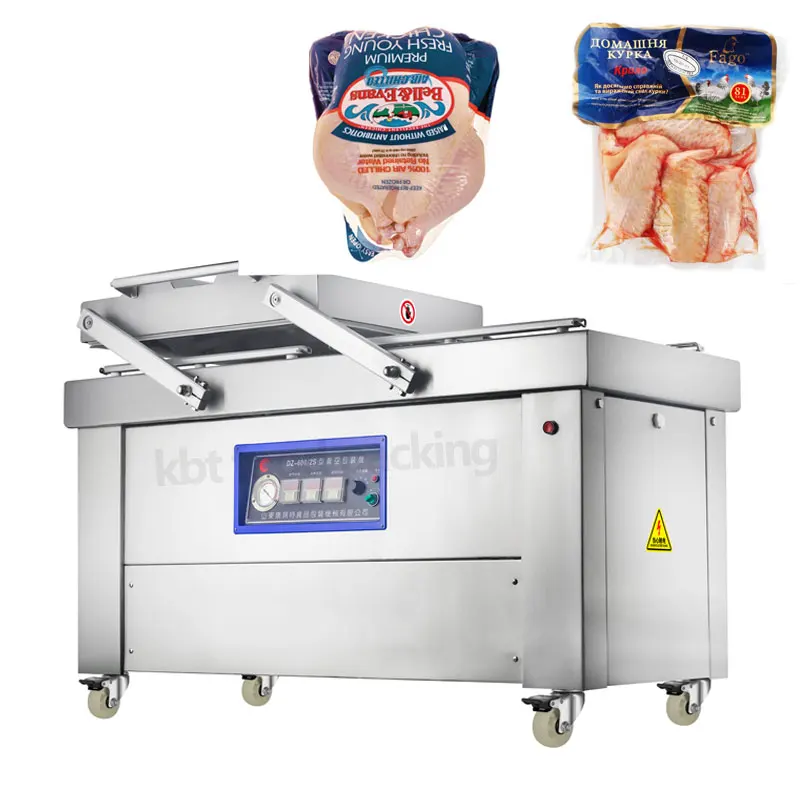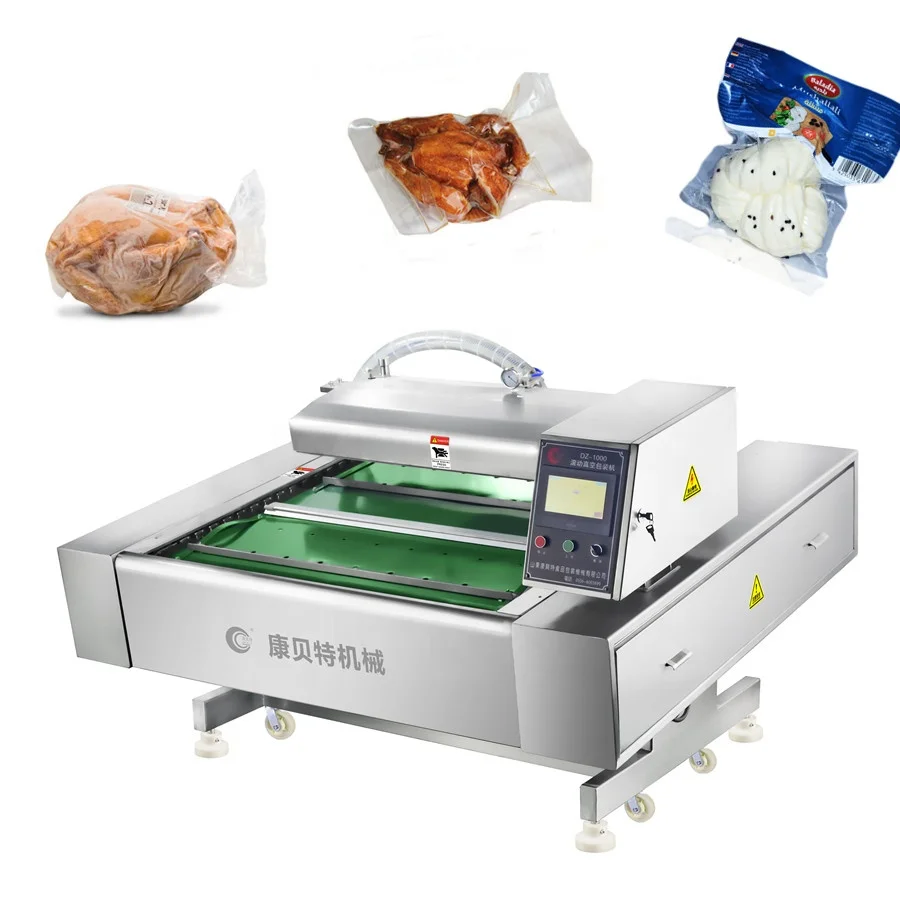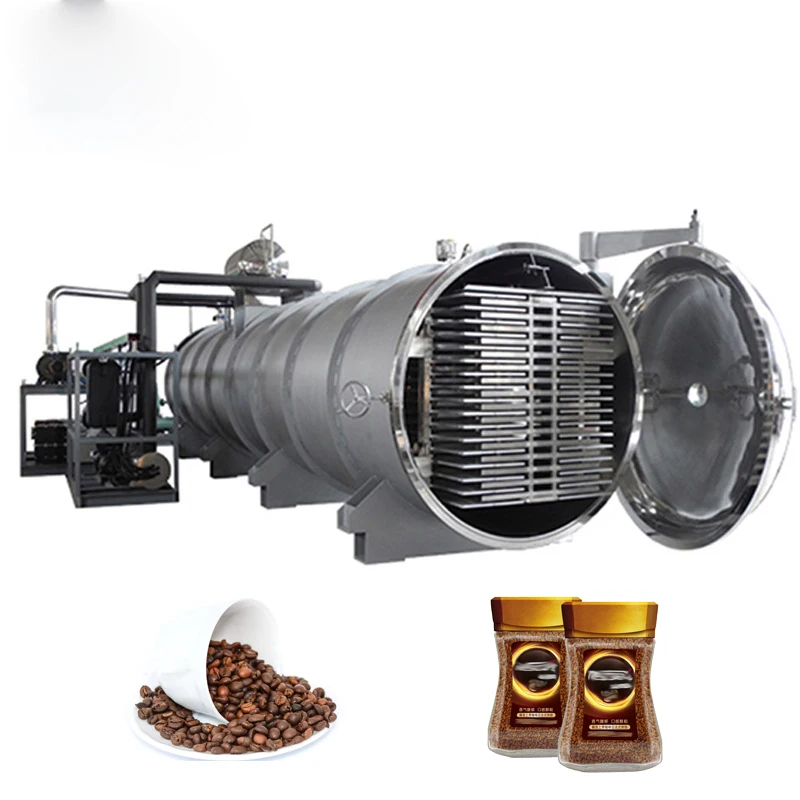
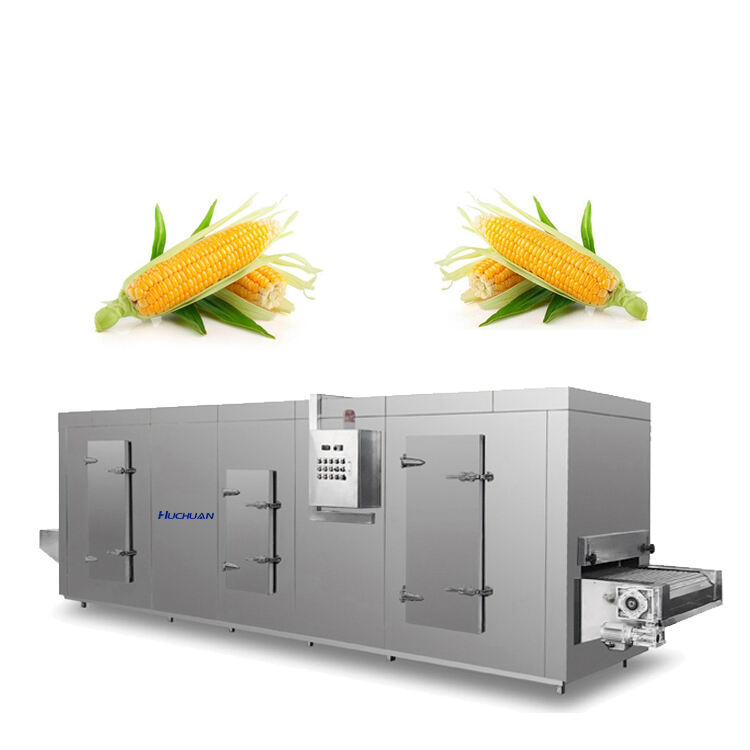
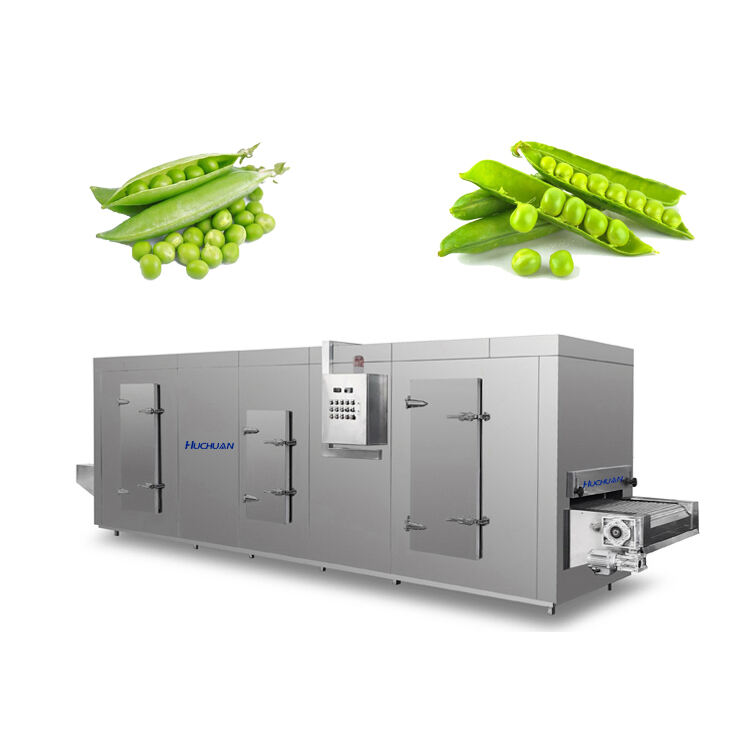
Freezing equipment for food is a broad category of refrigeration technology designed to preserve a wide range of food products—including fruits, vegetables, meat, seafood, baked goods, and prepared meals—by reducing their temperature to below -18°C (the standard for safe frozen food storage) to inhibit microbial growth, slow enzymatic activity, and extend shelf life. This equipment is a cornerstone of the global food supply chain, enabling year-round availability of seasonal products, reducing food waste, and supporting the distribution of food across long distances. Unlike specialized freezing equipment (e.g., for fruits or meat), freezing equipment for food is engineered for versatility, with designs that can adapt to diverse food types, textures, and processing volumes, while complying with strict food safety standards such as ISO 22000, HACCP, FDA 21 CFR, and EU EC 853/2004. The main types of freezing equipment for food include IQF (Individual Quick Freezing) systems, spiral freezers, tunnel freezers, plate freezers, and cryogenic freezers. IQF systems are ideal for small, individual food items (e.g., chicken nuggets, frozen peas, bakery cookies), using high-velocity cold air (-30°C to -45°C) to freeze each piece separately, preventing clumping and ensuring easy portioning. Spiral freezers, with their vertical spiral conveyor belts, are space-efficient and handle high capacities (1,000–10,000 kg/h), making them suitable for large-scale production of products like frozen pizzas or ready-to-eat meals. Tunnel freezers, with their long, horizontal design, use either air-blast or cryogenic technology to freeze food in a continuous flow, suitable for items like meat patties or fish fillets. Plate freezers, with flat, refrigerated plates, apply direct pressure to freeze food in batches—ideal for large items like whole turkeys, cheese blocks, or fruit purees. Cryogenic freezers, using liquid nitrogen (LN2) or carbon dioxide (CO2), achieve ultra-low temperatures (-70°C to -196°C) for fast freezing of delicate products (e.g., sushi, fresh berries) or items requiring minimal texture loss. Key design features of freezing equipment for food include food-grade materials (304 or 316 stainless steel for contact surfaces, non-toxic insulation) to prevent contamination, adjustable temperature and airflow controls to accommodate different food properties (e.g., higher air velocity for high-moisture foods like seafood), and insulation with high-density foam to maintain temperature stability. Energy efficiency is a priority, with features like heat recovery systems (capturing waste cold air to pre-cool incoming food), variable-speed compressors, and LED lighting to reduce operational costs. Modern equipment integrates smart technology, including PLC-based control systems with touchscreen interfaces for real-time monitoring, data logging (for compliance audits), and remote maintenance capabilities. Sanitization is simplified through smooth, crevice-free surfaces, removable components, and automated CIP (Clean-in-Place) systems, reducing the risk of cross-contamination. Capacity options range from small batch machines (50–200 kg/h) for local bakeries or delis to industrial-scale systems (over 10,000 kg/h) for multinational food manufacturers. Compliance with global certifications (CE, FDA, JAS) ensures that frozen food products can be exported to international markets. In summary, freezing equipment for food is a critical asset for the food industry, enabling businesses to meet consumer demands for safe, high-quality, and convenient frozen food while supporting the efficiency and sustainability of the global food supply chain.
05
Jun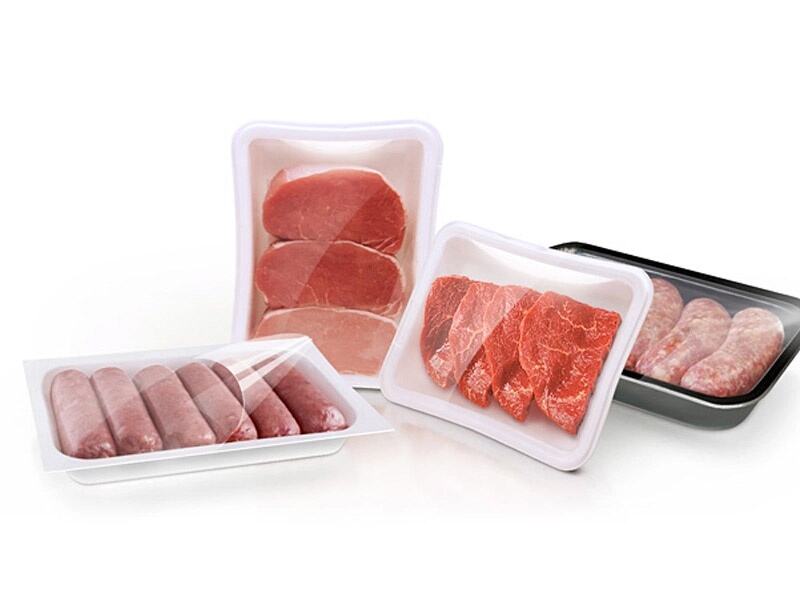
05
Jun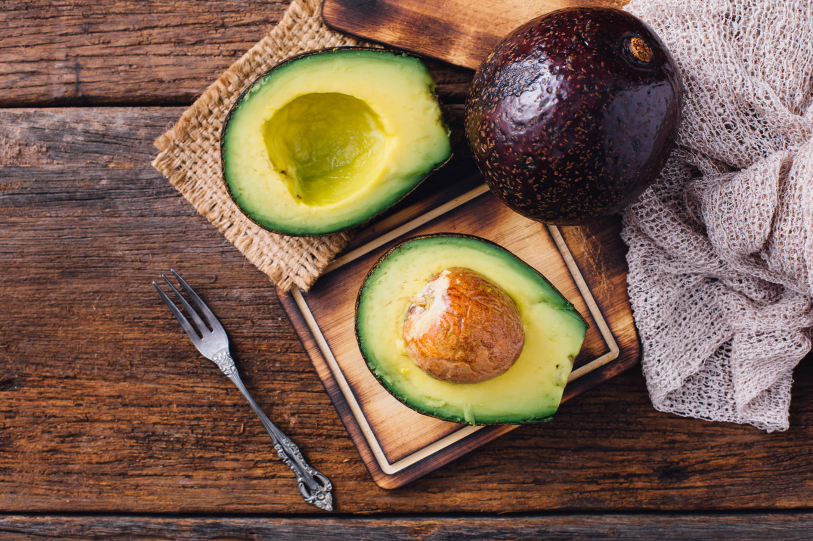
24
May
05
Jun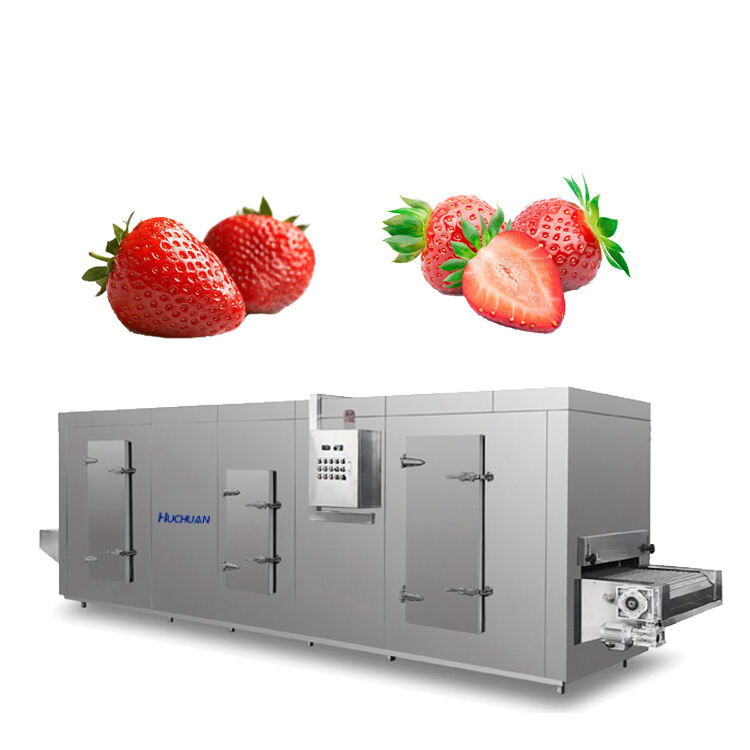
Copyright © 2025 by Shandong Kangbeite Food Packaging Machine Co., Ltd. Privacy policy
 EN
EN