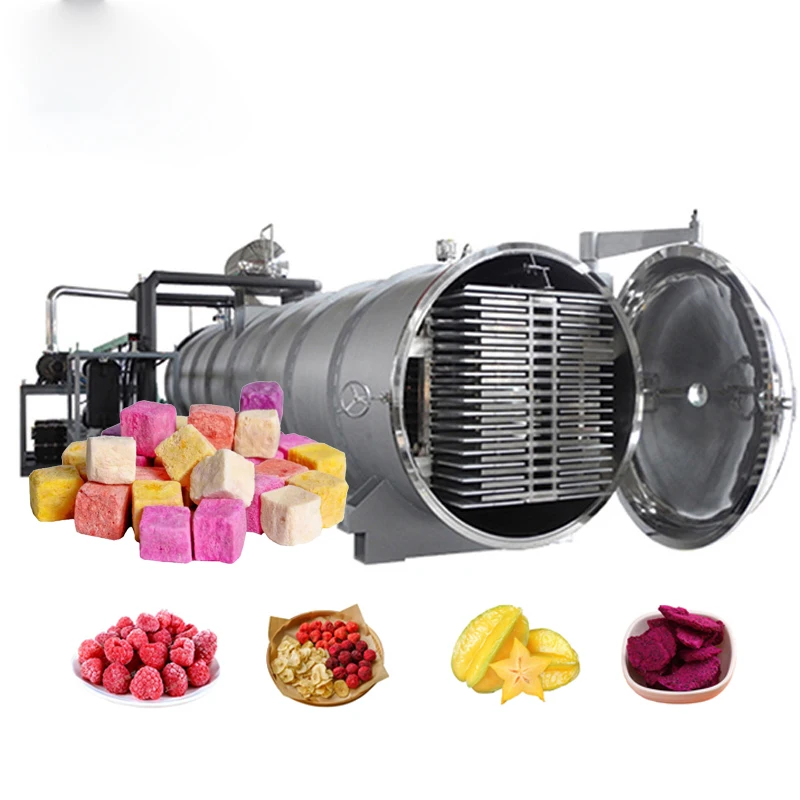
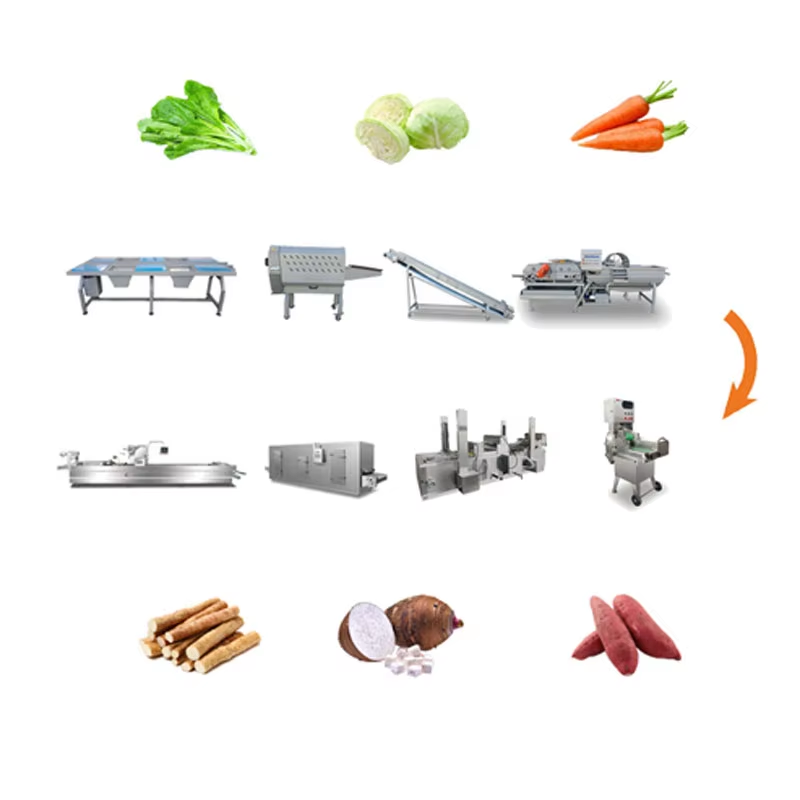
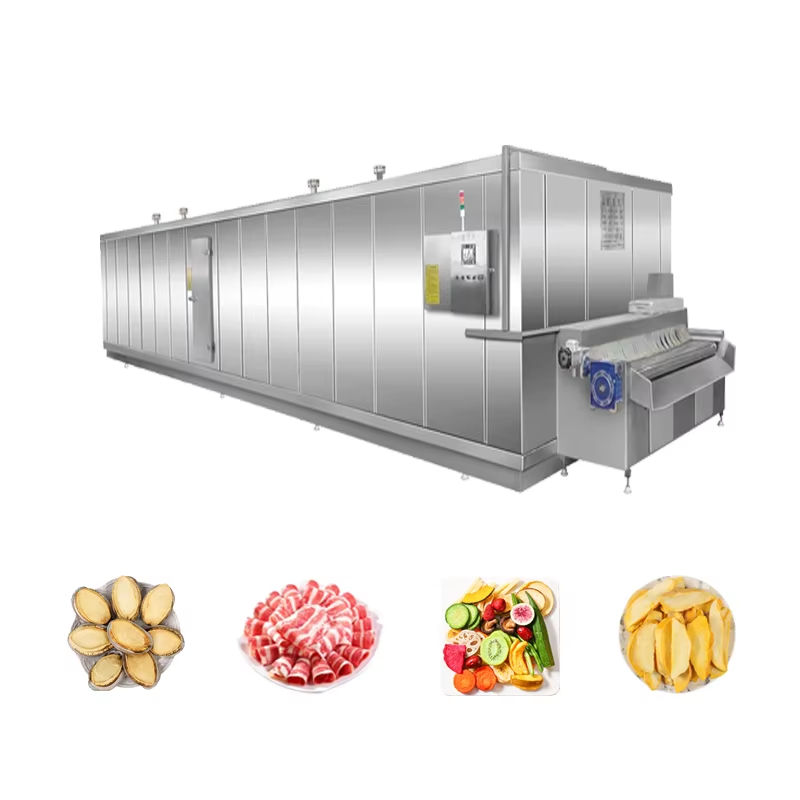
Freezing equipment for fruits is a specialized set of refrigeration systems designed to preserve the unique sensory and nutritional qualities of fruits—such as their sweetness, juiciness, color, and vitamin content—by minimizing cell damage and enzymatic activity during the freezing process. Fruits, unlike vegetables, often have higher sugar content (5–25%), softer cell structures, and are more susceptible to browning (caused by polyphenol oxidase enzymes) and texture degradation if frozen incorrectly. This equipment addresses these challenges through precise temperature control, rapid freezing rates, and tailored designs, complying with global food safety standards including ISO 22000, FDA 21 CFR, and EU EC 853/2004. The primary technologies used in freezing equipment for fruits are IQF (Individual Quick Freezing) systems, cryogenic freezers, and plate freezers. IQF systems are the most widely used, employing high-velocity cold air (-30°C to -40°C) to freeze individual fruit pieces (berries, diced apples, mango chunks) separately, preventing clumping and preserving their shape—essential for products like frozen fruit blends or toppings. Cryogenic freezers, using liquid nitrogen (LN2) or carbon dioxide (CO2) to achieve temperatures as low as -196°C, freeze fruits in seconds, making them ideal for delicate items like sliced peaches, kiwis, or avocados. This ultra-fast freezing minimizes ice crystal formation, which can rupture fruit cells and lead to a mushy texture when thawed, while also locking in volatile flavor compounds. Plate freezers, with their flat, refrigerated plates, are used for larger fruits (whole strawberries, plums) or fruit purees, applying direct pressure to ensure uniform freezing. Key design features of freezing equipment for fruits include anti-stick conveyor belts (made of food-grade PU or silicone to prevent soft fruits from adhering), adjustable air humidity controls (to reduce moisture loss and prevent "freezer burn"), and stainless steel (304 or 316) construction for all contact surfaces—resistant to corrosion from fruit acids (e.g., citric acid in oranges, malic acid in apples) and easy to sanitize. Many systems integrate pre-treatment modules, such as sugar coating (for fruits like bananas to prevent browning) or blanching (for tropical fruits like pineapples to inactivate enzymes), creating a end-to-end processing line. Energy efficiency is optimized through features like heat recovery (using waste cold air to pre-cool fresh fruits), variable-speed fans, and smart defrost cycles that minimize energy waste. Modern equipment also includes PLC-based control systems with touchscreen interfaces, allowing operators to program custom freezing profiles for different fruits—e.g., shorter freezing times for berries, longer times for dense fruits like pears. Sanitization is streamlined with smooth, crevice-free surfaces and automated cleaning cycles, reducing the risk of microbial contamination (e.g., from Salmonella or Listeria). Capacity ranges from small-scale batch machines (50–300 kg/h) for artisanal producers to industrial-scale systems (2,000–6,000 kg/h) for major food brands. Compliance with global certifications (CE, FDA, JAS) ensures that frozen fruits can be exported to diverse markets, from North America to Asia. In conclusion, freezing equipment for fruits is indispensable for businesses in the frozen food, beverage, and confectionery industries, enabling them to deliver high-quality, year-round fruit products that meet consumer demands for freshness, nutrition, and convenience.
05
Jun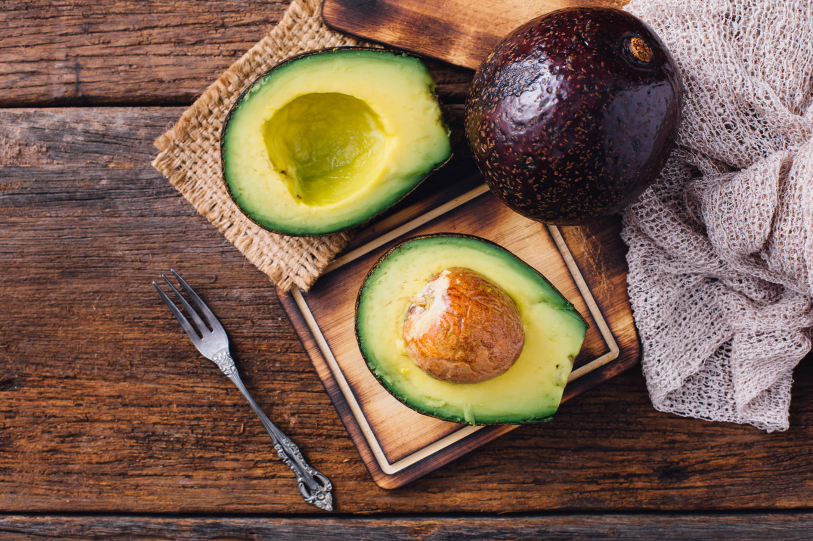
24
May
24
May
05
Jun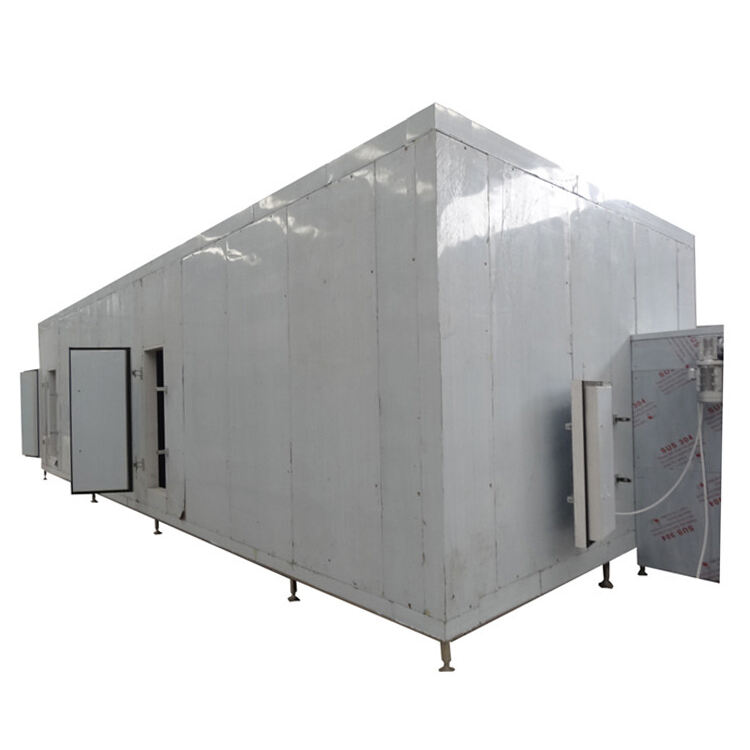
Copyright © 2025 by Shandong Kangbeite Food Packaging Machine Co., Ltd. Privacy policy
 EN
EN