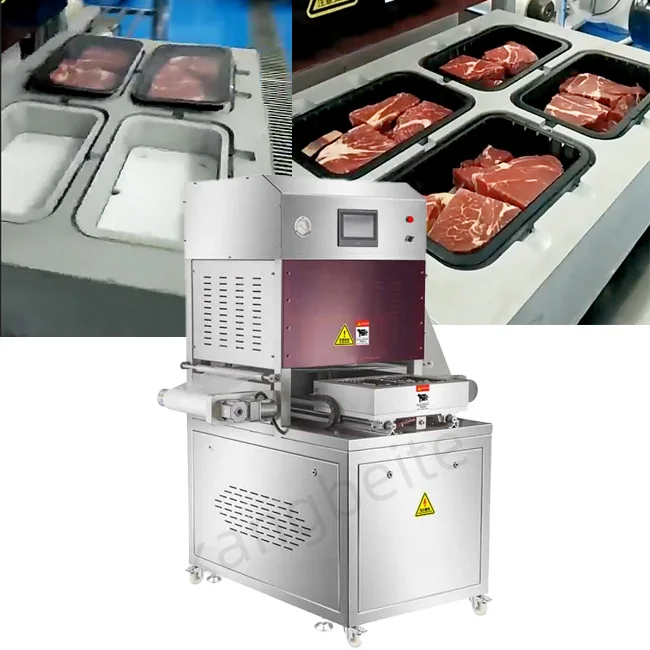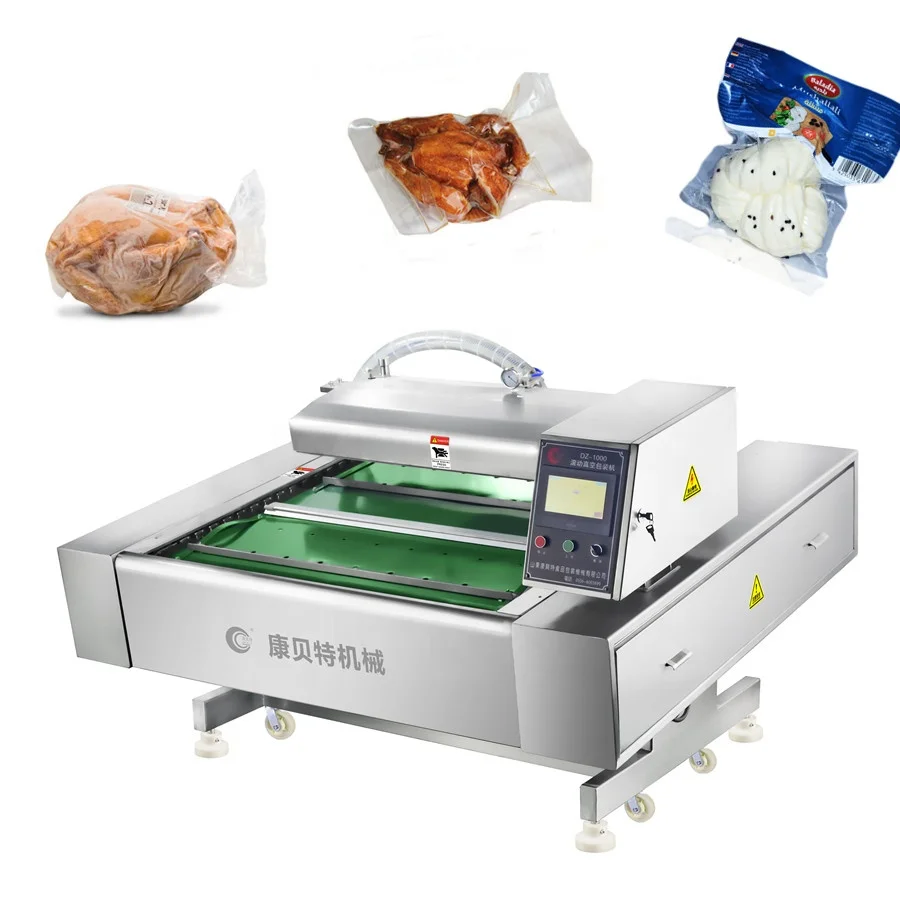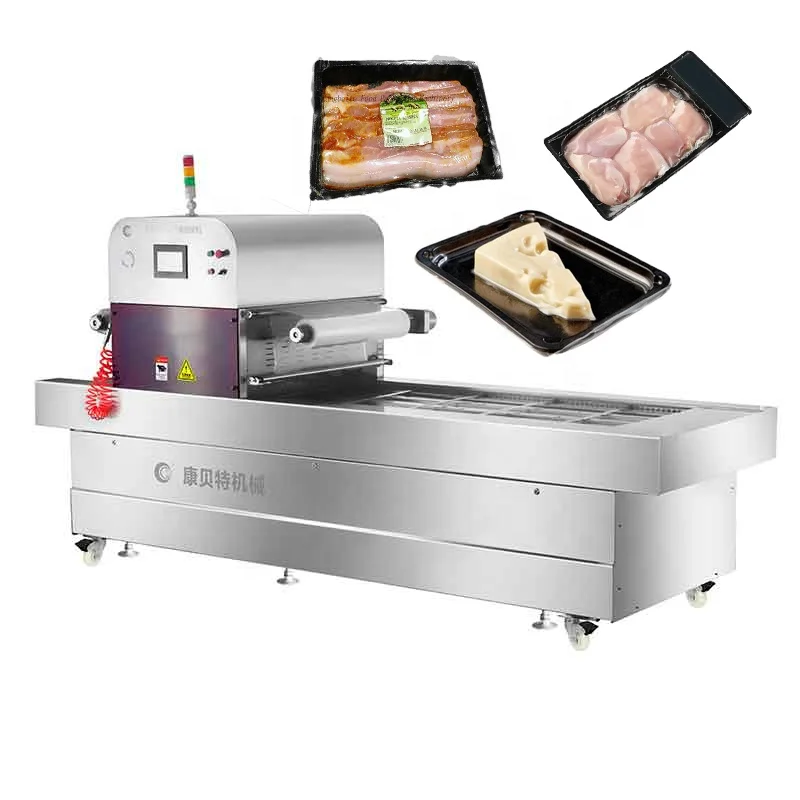
A commercial coffee production line is a mid-scale system (semi-automated to fully automated) designed for businesses serving regional or national markets (e.g., local coffee brands, large cafe chains, food service suppliers) with daily production volumes of 200–1000 kg. It balances efficiency, consistency, and flexibility, capable of processing roasted beans, ground coffee, and even small-batch instant coffee while meeting stricter food safety standards (HACCP, ISO 9001) than small-scale lines. The line’s core components are optimized for reliability and quality: green bean handling starts with an automatic bulk feeder and multi-sensor optical sorter (1–2 tons/hour capacity, removing 95% of defects including micro-cracks and discolored beans) to ensure uniform raw material quality. Roasting uses a continuous drum roaster (20–50 kg/hour output) with programmable roast profiles (±2℃ temperature accuracy) and integrated heat recovery systems, reducing energy consumption by 15–20% compared to batch roasters. An automatic cooling conveyor (5–10 minutes cooling time) with inline temperature sensors prevents over-roasting and maintains bean moisture at 9–12% (ideal for freshness). For grinding, the line includes a 3–5 head conical burr grinder (50–100 kg/hour total output) that can simultaneously produce different particle sizes, supporting multiple product lines (e.g., drip coffee for supermarkets, espresso for cafes). The packaging module ranges from semi-automatic (manual bag loading, automatic filling/sealing) to fully automatic VFFS machines (100–200 CPM for stand-up pouches) with nitrogen flushing (oxygen levels <1.5%) and one-way degassing valves. A fully automatic labeling machine prints batch codes, expiration dates, and barcodes, while quality control systems include inline moisture analyzers (monitoring bean moisture post-roasting), checkweighers (±0.3g accuracy), and seal integrity testers (automatic vacuum decay testing for 100% of packages). The line also includes basic IoT integration for remote monitoring (tracking roast temperature, filling weight, and production volume), enabling operators to troubleshoot issues and optimize efficiency without on-site presence. All critical food-contact parts (roaster drums, grinder burrs, filling nozzles) are made of 316L stainless steel, compliant with global food safety standards (FDA, EU 10/2011). For businesses, this line ensures consistent product quality (batch-to-batch variation <3%), scales to meet regional demand (e.g., supplying 50–100 cafes), and adapts quickly to market trends (e.g., adding organic or decaf modules in 1–2 days). It also supports branding via custom packaging (printed films, unique bag sizes) and traceability (batch codes linked to green bean origin), addressing consumer demand for transparent supply chains.
24
May
05
Jun
05
Jun
05
Jun
Copyright © 2025 by Shandong Kangbeite Food Packaging Machine Co., Ltd. Privacy policy
 EN
EN