A CE certified coffee production line is an integrated system of coffee processing equipment (roasting, grinding, extraction, packaging) that meets the health, safety, and environmental requirements of the European Union’s CE marking directives—mandatory for marketing in the EU and EEA (European Economic Area). The core directives applicable to coffee lines are: Machinery Directive 2006/42/EC (ensuring mechanical safety: guards for moving parts, emergency stop buttons, risk assessment documentation), Electromagnetic Compatibility (EMC) Directive 2014/30/EU (preventing electromagnetic interference with other equipment), and Food Contact Materials (FCM) Regulation EU 10/2011 (ensuring contact parts are non-toxic, no chemical migration into coffee). Certification involves rigorous testing by an accredited notified body: mechanical safety tests (e.g., guard strength, emergency stop response time ≤0.5 seconds), EMC testing (emission levels below EU limits), and FCM testing (migration of heavy metals, plasticizers ≤0.01 mg/kg). The line’s design reflects these requirements: all contact parts (roaster drums, grinder burrs, extraction tanks) are 316L stainless steel (compliant with FCM); moving components (conveyor belts, mixer blades) have interlocked guards that stop operation if opened; and electrical systems are shielded to prevent EMC. Documentation is a key part of CE certification: the supplier provides a Declaration of Conformity (DoC), technical file (design drawings, test reports), and user manual (in EU languages, with safety instructions). For coffee manufacturers, CE certification is not just a legal requirement—it builds trust with EU customers (signaling compliance with strict safety standards) and streamlines market access (avoids customs delays or rejections). It also ensures operational safety: CE-certified lines have lower risk of accidents (e.g., burns from unguarded roasters, electrical shocks) and meet EU environmental standards (energy efficiency, waste reduction—e.g., roasters with heat recovery systems). Additionally, CE certification is recognized in many non-EU countries (e.g., Turkey, Switzerland, Australia) via mutual recognition agreements, expanding the line’s global market reach. For example, a CE-certified instant coffee line can be exported to the EU without additional testing, reducing time and cost for manufacturers targeting European retailers like Tesco or Carrefour.

24
May
05
Jun
24
May
05
Jun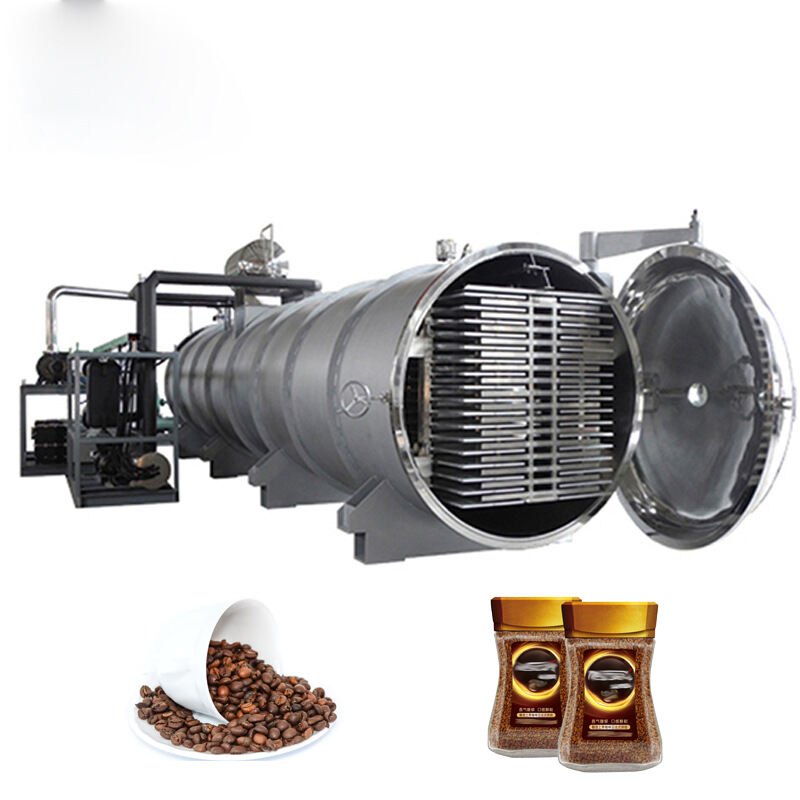
Copyright © 2025 by Shandong Kangbeite Food Packaging Machine Co., Ltd. Privacy policy
 EN
EN