 EN
EN
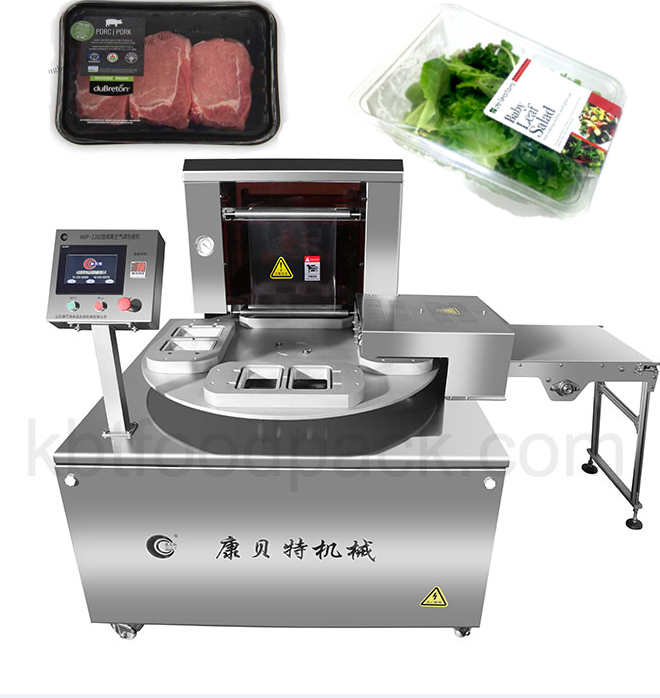
How Modified Atmosphere Packaging Machines Preserve Food Quality
Modified atmosphere packaging (MAP) machines combat food spoilage by replacing ambient air with scientifically calibrated gas mixtures. This preservation method leverages three key gases—carbon dioxide (CO₂), nitrogen (N₂), and oxygen (O₂)—to create optimal storage conditions for different food types, extending freshness while reducing reliance on preservatives.
Understanding the mechanism of modified atmosphere packaging (MAP)
MAP technology inhibits spoilage by adjusting gas ratios within sealed packaging. A recent industry study found these modified environments suppress microbial growth by 40–60% compared to traditional packaging, while maintaining food texture and color through precise humidity and temperature control.
Key gases used in MAP: CO2, N2, and O2 and their preservation roles
- CO₂ (20–100%): Slows bacterial and fungal growth, particularly effective in poultry and baked goods
- N₂ (0–80%): Prevents oxidation and package collapse by acting as a neutral filler gas
- O₂ (0–5%): Maintains red meat color through myoglobin preservation
Optimal gas mixtures for different food categories
| Food Category | Ideal Gas Blend | Preservation Benefit |
|---|---|---|
| Red Meat | 70% O₂, 30% CO₂ | Color retention, 35% shelf life extension |
| Leafy Greens | 5% O₂, 5% CO₂, 90% N₂ | Respiration rate reduction |
| Cheese | 100% CO₂ | Mold growth suppression |
Inhibiting microbial growth and preventing oxidation with MAP technology
The absence of atmospheric oxygen in most MAP applications reduces oxidation rates by 60–80%. When combined with CO₂ concentrations above 20%, this environment inhibits common foodborne pathogens like Salmonella and E. coli. Industry data shows MAP implementation can reduce food waste by 52% in perishable supply chains through extended freshness windows.
Red Meat Preservation: Enhancing Freshness and Color with High-Oxygen MAP
Role of oxygen in maintaining myoglobin and the red appearance of meat
Modified atmosphere packaging machines with high oxygen levels keep red meat looking fresh and colorful because they stabilize myoglobin, which is what gives meat its color. When there's about 60 to 80 percent oxygen inside these packages, the myoglobin actually grabs onto oxygen molecules and turns into something called oxymyoglobin. That's why the meat stays that nice bright red color people expect when shopping for fresh cuts. Without this process, the meat would start turning purple or brown over time as other forms of myoglobin develop instead.
Shelf life extension of beef and lamb using modified atmosphere packaging machines
MAP extends refrigerated shelf life from 2–4 days to 10–14 days by combining 70–80% oxygen with 20–30% CO₂. The high O₂ maintains visual appeal, while CO₂ inhibits bacterial growth by 40–60% compared to air-packed controls. This dual-action approach enables nationwide distribution of premium cuts without deep-freezing.
Reducing chemical preservatives through MAP-driven freshness
Modified Atmosphere Packaging cuts down on our dependence on stuff like sodium nitrites and those other chemical additives because carbon dioxide just happens to have these natural antimicrobial qualities. When we get CO2 levels over around 25%, it starts messing with bacteria's enzyme systems and basically breaks down their cell membranes too. The result? Pathogen control that stacks up pretty well against what those old school preservatives could do. And this fits right into the clean label movement that's taking off everywhere. According to the latest numbers from the Food Safety Monitor in 2023, almost seven out of ten shoppers are looking for meats that haven't been loaded up with all sorts of processing agents. Makes sense really when people want to know exactly what they're putting in their bodies these days.
Balancing visual appeal with microbial safety in red meat packaging
Manufacturers use real-time sensors to optimize gas ratios, maintaining high oxygen for color while ensuring CO₂ remains at ≥25% to suppress spoilage organisms like Pseudomonas and Brochothrix. This balance reduces food waste by 22% and meets USDA microbiological standards, as demonstrated in trials using adaptive MAP systems.
Extending Shelf Life in Poultry, Seafood, and Dairy Products
Overcoming spoilage challenges in poultry with low-oxygen MAP environments
MAP machines extend raw chicken shelf life from 3–5 days to 10–14 days by reducing oxygen below 1%, limiting proliferation of aerobic bacteria like Campylobacter and Salmonella. Nitrogen balances maintain package integrity and natural appearance without promoting anaerobic spoilage.
Seafood preservation: controlling odor, texture, and moisture using MAP
Precise gas ratios in MAP control odor and texture degradation in seafood. By maintaining 40–60% CO₂, MAP inhibits Pseudomonas and Shewanella, the primary bacteria responsible for spoilage aromas. This preserves moisture content within the optimal 85–90% range, preventing the rubbery texture associated with dehydration.
Data insight: 30–50% shelf life increase in fish with vacuum-assisted MAP
Vacuum-assisted MAP extends refrigerated fish shelf life by 30–50%, with salmon fillets remaining fresh for 12 days versus 7 in conventional packaging. Oxygen is reduced to ≤0.5%, suppressing aerobic bacteria growth by 300% compared to standard methods.
Extending dairy shelf life: mold inhibition in cheese and yogurt via CO₂-enriched MAP
CO₂-enriched MAP extends cheese freshness to 45–60 days—more than double that of air-permeable wraps—by creating an inhospitable environment for mold. Yeast and mold counts are reduced by 2–3 log cycles, while probiotic viability in yogurt remains intact under controlled atmospheres.
Fresh Produce and Organic Goods: Optimizing Respiration and Ripening Control
Managing Respiration Rates and Ethylene Buildup in Fruits and Vegetables
Fresh produce continues respiring post-harvest, consuming O₂ and releasing CO₂ and ethylene—a ripening hormone. MAP suppresses metabolic activity by up to 40% through reduced O₂ (3–5%) and elevated CO₂ (5–10%), delaying senescence and texture loss. This also inhibits ethylene synthesis, slowing softening in climacteric fruits like bananas and tomatoes.
Best Practices for MAP Use in Apples, Avocados, and Leafy Greens
Tailored gas blends maximize effectiveness across produce types:
- Apples: 1–2% O₂ + 1–2% CO₂ preserves crispness for 6–9 months
- Avocados: 3–5% O₂ delays ripening without causing anaerobic decay
- Leafy greens: 5–8% O₂ + 10–15% CO₂ reduces browning by 60%
Pre-cooling to 4°C before packaging aligns cellular respiration with optimized atmospheric conditions, enhancing preservation.
Moisture Control and Ripening Delay in Organic Produce Without Preservatives
Modified Atmosphere Packaging keeps things at around 95% humidity thanks to how the films let certain gases pass through, which cuts down on moisture loss for leafy greens by about 30%. When it comes to those organic berries and stone fruits, keeping CO2 levels above 12% really helps stop mold from growing without needing any chemical treatments. And this matters a lot because farms lose somewhere around $740,000 each year just from stuff going bad after harvest according to some research from Ponemon back in 2023. Plus for avocados, this method actually slows down ripening by anywhere from four to seven days all while still meeting those strict USDA Organic requirements that many growers have to follow these days.
Growing Trend: MAP Adoption in Preservative-Free Organic Packaging
More than 42 percent of organic food makers have switched to MAP for preserving their products lately, which is actually an 18 point jump compared to numbers from 2021. The change comes down to what shoppers want these days they're looking for those clean ingredient lists. When companies use MAP instead of traditional methods, they cut back on stuff like potassium sorbate and those synthetic antioxidants by about three quarters in things like prepackaged salads and mixed herbs. And here's another thing that makes it work well the whole cold storage system keeps everything fresh all the way from when it leaves the factory until it hits store shelves.
Comparative Benefits: Which Foods Gain the Most from Modified Atmosphere Packaging Machines?
Quantifying Shelf Life Extension Across Perishable Food Categories
MAP delivers measurable improvements by matching gas blends to spoilage mechanisms. Seafood gains 30–50% longer freshness with vacuum-assisted MAP, while red meat achieves 10–14 day refrigerated shelf life using high-oxygen blends. Leafy greens benefit from nitrogen-enriched environments that reduce respiration, minimizing wilting over 5–8 additional days.
Top-Performing Foods in MAP: Red Meat, Seafood, and Leafy Greens
Three categories show the greatest response:
- Red meat: 70–80% O₂ sustains color; CO₂ suppresses pathogens
- Seafood: 40% CO₂ reduces enzymatic spoilage and odor
- Leafy greens: 3–5% O₂ balances microbial control with chlorophyll retention
These products experience 2–3x fewer spoilage-related returns than air-packed equivalents.
Strategic Selection of Food Products for Optimal ROI with MAP Machines
Focus on high-spoilage, high-margin items such as premium beef cuts and pre-washed salad kits. A 2023 case study showed seafood distributors reduced waste by 18% and expanded distribution radius by 200 miles using MAP. The technology works best for products requiring temperature control, extended retail display, and preservative-free claims.
Balancing Equipment Cost Against Waste Reduction and Market Reach
Industrial MAP systems require a $50k–$200k investment but typically break even within 12–18 months due to:
| Factor | Impact |
|---|---|
| Waste reduction | 15–30% lower inventory losses |
| Expanded distribution | 40–60% broader market access |
| Premium pricing | 8–12% higher margins for MAP-packaged goods |
This makes MAP especially valuable for exporters and retailers targeting quality-conscious consumers.
Table of Contents
- How Modified Atmosphere Packaging Machines Preserve Food Quality
- Red Meat Preservation: Enhancing Freshness and Color with High-Oxygen MAP
-
Extending Shelf Life in Poultry, Seafood, and Dairy Products
- Overcoming spoilage challenges in poultry with low-oxygen MAP environments
- Seafood preservation: controlling odor, texture, and moisture using MAP
- Data insight: 30–50% shelf life increase in fish with vacuum-assisted MAP
- Extending dairy shelf life: mold inhibition in cheese and yogurt via CO₂-enriched MAP
- Fresh Produce and Organic Goods: Optimizing Respiration and Ripening Control
- Comparative Benefits: Which Foods Gain the Most from Modified Atmosphere Packaging Machines?