
 EN
EN
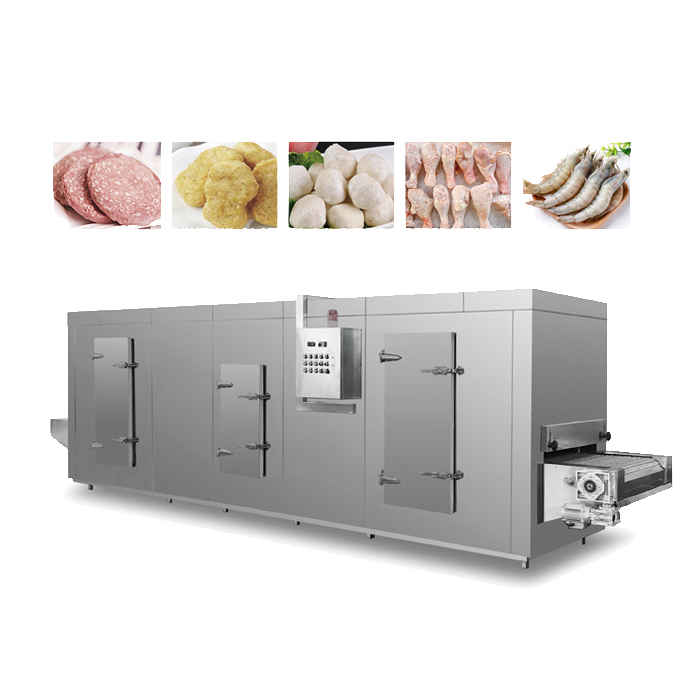
What is Individual Quick Freezing (IQF) Technology and How It Works
IQF tech changes how we keep food fresh by freezing single fruits quickly between minus 18 and minus 40 degrees Celsius in about 5 to 30 minutes. Traditional methods just freeze everything together into big blocks of ice, but IQF machines blow super cold air at around minus 35 degrees across products sitting on moving belts. Each piece gets frozen individually this way. Food scientists have looked at these systems and found they stop things from sticking together while keeping the cells inside the food intact because of careful temperature management throughout the process.
The Role of Fast Freezing in Preventing Ice Crystal Formation
When food freezes fast, it stops big ice crystals from forming because the heat gets pulled away so quickly that water molecules don't have time to grow those damaging structures. Studies indicate that individual quick freezing methods cut down crystal sizes around 70 percent when compared with regular slow freezing techniques according to some research published in the Journal of Food Engineering back in 2022. These tiny crystals won't tear through cell walls as much, which means better texture retention and less moisture loss after thawing. This really matters for soft berries such as raspberries where preserving their integrity makes all the difference between good quality product and something that just falls apart once defrosted.
Fluidized Bed IQF Freezer for Fruits and Vegetables: Design and Function
Fluidized bed IQF freezers suspend produce in a stream of -30°C air, creating a "liquid-like" motion that ensures uniform freezing. Ideal for berries and diced fruits, this design uses adjustable airflow (2–6 m/s) to accommodate varying densities. Key components include:
- Multi-zone belts for gradual freezing to prevent thermal shock
- Anti-clogging nozzles ensuring consistent air distribution
- Pre-cooling chambers stabilizing fruit temperatures before deep freeze
This setup achieves 98% separation efficiency in blueberries and strawberries, meeting high-volume commercial demands.
Preservation of Texture, Flavor, and Nutritional Value in IQF-Frozen Fruits
How Small Ice Crystals Preserve Cellular Structure and Maintain Firmness in Fruits
IQF technology can freeze fruits down to about minus 18 degrees Celsius pretty quickly, usually taking between six and fifteen minutes. The process uses super cold air at around minus forty degrees Celsius to do this fast cooling. Because it happens so fast, big ice crystals don't have time to form inside the fruit cells like they do when using regular freezing methods. According to research published last year by some food preservation experts, strawberries frozen with IQF kept roughly 89 percent of their cell structure intact while conventionally frozen ones only managed about 62%. These tiny ice crystals measure less than 0.1 millimeters across, which means much less damage occurs to the fruit's structure. As a result, apples stay crispy and mangoes maintain their firm texture even after being stored for a whole year.
Retention of Natural Flavor and Aroma Through Rapid Freezing With IQF
When food gets flash frozen, it traps those chemicals that give things their flavor and smell. Take blueberries as an example. The ones that go through IQF freezing keep around 94 percent of these important color and taste compounds called anthocyanins. Regular slow freezing only manages about 78%. This rapid freezing method stops enzymes from doing their thing too fast, which means fruits like peaches can hold onto those nice summer smells even after being frozen. Citrus and stone fruits benefit similarly because they maintain their aromatic qualities thanks to this quick preservation technique.
IQF Freezing Preserves Nutritional Value: Vitamin C, Antioxidants, and Polyphenol Retention
Freezing at peak ripeness enables IQF to preserve 85–92% of heat-sensitive nutrients, often surpassing the nutritional quality of fresh produce available weeks later. A 2022 nutrient analysis revealed IQF-frozen raspberries maintained:
| Nutrient | Retention Rate | Standard Frozen Retention |
|---|---|---|
| Vitamin C | 91% | 68% |
| Polyphenols | 87% | 53% |
| Antioxidants | 89% | 60% |
The rapid process minimizes oxidation, protecting bioactive compounds that degrade during slower freezing methods.
Maintaining Fresh Like Appearance and Structural Integrity
Preserving Color, Shape, and Surface Quality in IQF-Frozen Berries and Tropical Fruits
When fruits get frozen quickly between about minus 30 and minus 40 degrees Celsius, they keep their bright colors and original shapes pretty much intact. Take blueberries or mangoes for instance they just don't lose that fresh look when properly flash frozen. The trick here is how IQF technology works by preventing cells from expanding too much, which means the texture stays firm and the surface remains shiny, almost like what we see in market stalls. Tropical fruits that tend to bruise easily benefit especially well from this process. A special kind of bed holds these delicate items while they freeze, so there's less physical stress on them. This gentle approach makes all the difference in keeping those exotic fruits looking appetizing even after storage.
Reduced Enzymatic Browning and Oxidation in IQF-Treated Fruits
IQF technology gets fruit cores down below -18 degrees Celsius within just ten minutes or so, which stops those pesky enzymatic reactions responsible for browning in common fruits like apples, bananas and peaches. Modern IQF freezing tunnels create an atmosphere with very little oxygen, so oxidation doesn't happen as much. This helps keep important phenolic compounds intact that we associate with fresh tasting produce. Research conducted at several food science institutions indicates that fruits processed through IQF methods actually maintain around 40 percent higher antioxidant levels compared to their slower frozen counterparts after sitting in storage for half a year. For anyone concerned about nutritional value staying intact during freezing, this makes a big difference.
Visual Quality Stability of IQF Raspberries and Strawberries During Long-Term Storage
Uniform ice crystal formation prevents structural collapse in fragile berries over extended storage. IQF-frozen raspberries maintain 92% of their original shape integrity after 18–24 months, compared to 68% in blast-frozen samples (Food Engineering Journal 2023). This consistency supports premium positioning in retail markets, where appearance strongly influences consumer perception of quality.
Operational and Commercial Benefits of IQF Freezers in Fruit Processing
Prevention of Clumping and Freezer Burn Ensures Product Separation and Shelf-Life Extension
Individual Quick Freezing (IQF) works its magic by locking each fruit piece separately in ice, stopping those pesky ice crystals from forming and messing up the texture or causing chunks to stick together. When fruits stay apart like this, food processors actually cut down on waste quite a bit. The shelf life gets extended way beyond what most people expect – sometimes as long as two whole years – all while keeping that fresh look consumers want. Industry insiders have been talking about this for ages now. Research into how we store frozen goods keeps showing that when freezing happens properly, there's just not as much freezer burn issues even when temperatures swing around in storage facilities.
Improved Packaging Efficiency and Portion Control in Downstream Processing
The free-flowing nature of IQF-frozen fruits allows automated systems to fill packages 15–20% faster than with block-frozen products. Manufacturers report up to 30% less packaging material due to reduced clumping, while retailers benefit from accurate portioning for both bulk and consumer-ready formats.
Balancing High Initial IQF Equipment Cost With Long-Term Quality and Market Advantage
While IQF freezer installations require 2–3× higher upfront investment than blast freezers, they deliver return on investment within 18–36 months. A 2024 industry analysis showed processors using IQF command 12–18% price premiums for premium fruits like intact strawberries and mango chunks, with 22% fewer customer complaints about quality compared to conventional methods.
Applications of IQF Technology Across Key Fruit Categories and Global Supply Chains
IQF for Strawberries, Blueberries, Mangoes, and Other Delicate Fruit Varieties
IQF works really well for keeping those juicy, delicate fruits intact during freezing. Think strawberries, blueberries, mangoes all getting frozen separately at super cold temps between minus 18 and minus 40 degrees Celsius in just a few minutes flat. What makes this method so good is how it stops the cells from bursting apart. Strawberries stay pretty firm after freezing about 90 to maybe even 95 percent of their original texture. Mango slices keep that nice fibrous feel too instead of turning mushy. And blueberries? Well they're mostly water inside anyway around 84% actually so if we freeze them slowly, the whole fruit basically falls apart. That's why quick freezing matters so much for these kinds of berries.
Scaling IQF Use for Seasonal Fruit Preservation in Global Frozen Food Markets
IQF technology makes it possible to enjoy seasonal fruits all year round, which is why the frozen berry market keeps expanding at around 7.2% each year according to recent market reports from 2024. Fruit processors have started relying on IQF to lock in freshness for things like Peruvian mangoes and those famous Chilean grapes right when they're harvested at their best. These berries can then be sent across the globe while still tasting just as good as when they were picked. What's really impressive though is how much waste gets reduced too. Studies show that using IQF instead of regular freezing methods can cut down on wasted fruit by nearly a third. For places where refrigeration isn't so readily available, this means better access to fresh produce even during times when local supplies might run low.
Emerging Adoption of IQF in Exotic and Premium Fruit Segments
The IQF fruit market, which is valued at around 116.3 billion dollars these days, has started featuring fancy items such as dragon fruit, passion fruit, and even organic acai berries. Newer freezing technology with those adjustable air settings can actually work with all sorts of odd shapes and different densities, so things like goldenberries keep their vibrant color while maqui berries still hold onto those important bioactive stuff they're known for. People are increasingly looking for what some call "gourmet freezer aisle" products lately. These frozen fruits manage to keep most of their antioxidant power too, somewhere between about 80% to maybe 90% of what they had when fresh after going through the IQF process.
Table of Contents
- What is Individual Quick Freezing (IQF) Technology and How It Works
- Preservation of Texture, Flavor, and Nutritional Value in IQF-Frozen Fruits
- Maintaining Fresh Like Appearance and Structural Integrity
- Operational and Commercial Benefits of IQF Freezers in Fruit Processing
- Applications of IQF Technology Across Key Fruit Categories and Global Supply Chains