
 EN
EN
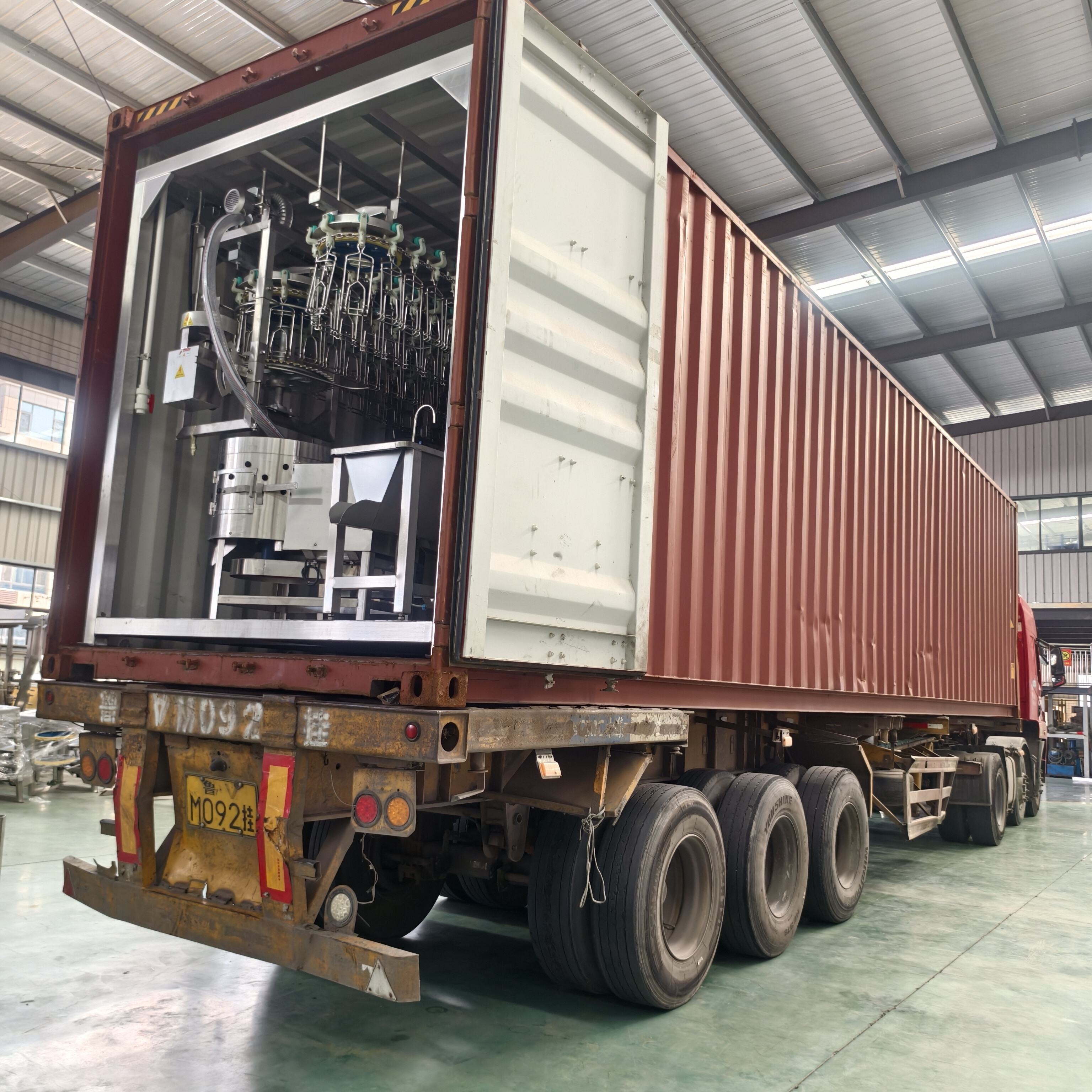
Preventing Contamination Through Advanced Slaughter Equipment Design
Critical control points in slaughter systems that minimize cross-contamination
These days, most slaughterhouses have set up special zones where risky stuff like removing hides stays separated from other parts of the process. The idea is pretty straightforward actually. When they keep these areas apart, it helps stop bad stuff from spreading around. Plus there are those colored tools everyone uses now for different kinds of animals, which makes things clearer on the floor. Studies done recently found that this setup takes care of about three quarters of all contamination problems they looked at during food safety checks. And speaking of keeping things moving smoothly, many plants now use automated rails that help control how fast everything goes along the line. Nobody wants bottlenecks because when things back up, microbes love that environment. A bunch of research published last year showed exactly why maintaining good flow rates matters so much for preventing unwanted bacteria growth.
Closed-system designs and automated evisceration: Reducing pathogen transfer by up to 40%
Pneumatic evisceration arms with laser-guided precision achieve 99.7% intestinal sack integrity in trials, compared to 89% with manual methods. Enclosed plucker systems containing 97% of feather debris prevent airborne pathogen dispersion. These closed-loop designs align with USDA-validated models showing a 36–42% reduction in surface bacterial loads across critical zones.
Integrating HACCP principles into equipment operation for proactive contamination prevention
Smart knives with embedded force sensors automatically pause operations if blade resistance indicates potential bone fractures–a recognized hazard for blood contamination. This real-time Hazard Analysis Critical Control Point (HACCP) implementation reduces corrective actions by 53% compared to manual monitoring systems.
Role of stainless steel materials and seamless surfaces in enhancing hygiene
Electropolished 316L stainless steel work surfaces demonstrate 83% lower biofilm adhesion versus standard grades in controlled trials. Radius-cornered equipment joints eliminate the 0.5–2mm gaps where 67% of persistent contamination occurs, per 2024 sanitation audits.
Airflow management and equipment layout optimization in slaughter zones
Negative-pressure stunning pens containing 98% of aerosols reduce airborne E. coli transmission by 29% in climate-controlled facilities. Angled bleeding rails positioned 15° from vertical achieve complete exsanguination in 8.2 minutes–23% faster than horizontal configurations–minimizing blood contact risks.
Common Microbial Contamination Risks in Traditional Abattoirs Linked to Outdated Equipment
Old school slaughterhouse gear just isn't cutting it when it comes to keeping microbes at bay. Research from CDC back in 2023 found that these older systems are responsible for about two thirds of all E. coli and Salmonella problems in processing plants. The manual work areas and those cutting tools that haven't been properly maintained? They become breeding grounds for bad bacteria. And let's not forget about those drainage systems that don't work right, letting germs jump from one carcass to another. Then there's the whole conveyor belt situation. These rigid setups mean more touching points between workers, their tools, and the actual meat products. Pretty serious issue really, considering even a tiny amount of biofilm buildup, like just one gram, can hold millions upon millions of harmful organisms according to lab tests.
In-Line Sensors and Real-Time Detection of Biofilm Formation on Cutting Surfaces
Today's meat processing plants use ATP bioluminescence sensors to spot leftover organic material in just about 15 seconds flat. When those readings go past 200 RLU for biofilms, the system kicks off automatic cleaning routines without needing anyone to press buttons. These sensors work hand in hand with special cameras that can see through surfaces to find bacteria clusters with around 92% accuracy according to recent tests. Facilities that adopted this smart monitoring tech saw their problems with bacterial contamination drop by roughly half, as reported in the Journal of Food Protection last year. Meanwhile, tiny internet-connected devices embedded throughout the facility constantly monitor how temperatures and moisture levels change while meat moves through different stages. Based on what they detect, the sanitation procedures adjust themselves to keep everything clean enough for food safety regulations.
Balancing Throughput and Sanitation: Evaluating High-Speed Line Safety Trade-Offs
When processing speed goes above 400 birds per hour, there's about a 30% higher risk of contamination problems unless the equipment has those smart sanitation features that adapt on their own (this was reported in Food Safety Journal back in 2023). The newer advanced systems work differently though they match up production speed with what sensors detect. So basically, when microbes start getting too high, these systems slow things down just enough while still keeping around 85% of normal production going. Another good development is these dual channel setups where the early parts of slaughtering happen separately from the final processing steps. This separation helps stop cross contamination issues without hurting overall output numbers. And let's not forget about those robotic evisceration tools with blades that clean themselves automatically. They really make a difference cutting down on pathogens spreading during processing, probably somewhere around 40% better than when people do it manually.
Key Implementation Metrics
| Parameter | Traditional Systems | Smart Monitoring Systems |
|---|---|---|
| Biofilm detection time | 4–8 hours | ⏟15 seconds |
| Corrective action latency | 45–90 minutes | Immediate |
| Cross-contamination events | 12–18/week | 2–3/week |
Data source: 2023 Meat Processing Safety Benchmark Report
This integration of technology transforms slaughter operations from reactive contamination control to proactive risk prevention, ensuring microbial safety scales with production demands.
Preserving Meat Quality Through Temperature Control and Processing Techniques
Hot processing challenges and solutions in tropical climate meat production
The heat in tropical climates really speeds up how microbes grow and enzymes work their magic. Meat processing plants fight back against this problem by installing fast cooling systems that bring down meat temps to below 40 degrees Fahrenheit (about 4 Celsius) right after animals are slaughtered, usually within just 90 minutes. They also keep processing areas at controlled temperatures to maintain quality. Another trick up the industry's sleeve is modified atmosphere packaging, which helps food last longer by controlling how much oxygen gets to it while it sits on shelves or travels across country. This kind of packaging has become pretty standard in the business these days.
Temperature-controlled stunning and bleeding systems for optimal muscle pH stability
Keeping temperatures around 95 to 100 degrees Fahrenheit during the bleeding process stops the quick drop in pH levels that can cause PSE meat problems. The pale, soft, watery meat issue happens when pH drops too fast. Modern automated systems that regulate temperature help cut down on stress related glycogen loss in animals before slaughter. At the same time, blood recovery equipment with built-in cooling keeps fluids at the right thickness so they drain properly. Following these procedures means the meat's pH will settle somewhere between 5.6 and 5.8 about a day after processing. This sweet spot makes all the difference for how firm the meat stays and whether it holds onto moisture properly.
Data insight: 30% lower incidence of DFD meat with precision thermal management
Meat processing plants that implement real time thermal monitoring report about 30 percent reduction in dark, firm, dry (DFD) meat incidents when compared against traditional methods. Keeping tabs on muscle temperatures right after slaughter, controlling air movement around 0.5 meters per second inside those freezing chambers, and managing how much moisture stays on the meat surfaces throughout aging helps keep things within that important 34 to 38 degree Fahrenheit range. This temperature sweet spot stops cold shortening from happening and also keeps harmful bacteria at bay. Many industry reports now show these kinds of precise temperature controls are becoming standard features in newer processing equipment across the sector.
Ensuring Long-Term Safety and Efficiency via Equipment Calibration and Maintenance
Blade Calibration Frequency and Its Impact on Carcass Integrity and Contamination Risk
The sharpness of blades used in slaughterhouses really matters for meat quality and food safety issues. When blades get worn down past about 0.3mm on the edge, they start transferring bacteria at around 60% higher rates because the meat gets torn instead of cut clean (this was shown in Food Safety Journal back in 2023). That's why big processing plants need to check their knives every two hours when running at full capacity. Some newer systems actually monitor blade tension automatically and make adjustments so the knives stay sharper than 0.1mm throughout an entire 8 hour workday. Looking at recent research from Equipment Hygiene Study in 2024, plants that switched to these automatic calibration systems saw a massive drop in Salmonella cases - about 73% fewer incidents than those still relying on workers to manually sharpen blades.
Preventive Maintenance Schedules That Reduce Downtime and Enhance Food Safety
When companies stick to proactive maintenance routines, they tend to see around a 35% reduction in unexpected equipment breakdowns plus better hygiene throughout operations. The main things that work well are checking thermal parts with infrared every day, making sure those captive bolts stay properly tightened once a week, and running thorough cleaning cycles for the whole system at least monthly, going beyond what EU Regulation 852/2004 actually requires. Looking at actual numbers from real factories, places that use predictive maintenance software report about 98.2% uptime for their equipment compared to just 86% for those relying on fixing problems after they happen. That kind of difference makes all the difference in keeping production running smoothly without constant interruptions.
Standardizing Equipment Audits to Align With B2B Food Safety Compliance Expectations
The latest third party audit rules are making digital traceability a must have these days. They want to track when equipment was calibrated, who did the maintenance work, and even what batch the replacement parts came from. According to some recent industry data from 2023, around 89 percent of wholesale buyers insist on seeing maintenance records that meet ISO 22000 standards. And guess what? About 95% of them won't even consider working with suppliers that don't have automatic audit trails in place. Putting all this together helps avoid those massive recall expenses we keep hearing about. The Food Protection Report estimates companies save about $740,000 on average thanks to these standards. Plus it keeps everything compliant throughout the entire global supply chain without constant headaches.
Frequently Asked Questions (FAQ)
Why are advanced equipment designs crucial in slaughterhouses?
Advanced equipment designs help minimize cross-contamination and improve food safety by incorporating closed-system designs, automated processes, and smart monitoring systems.
How does smart monitoring reduce bacterial contamination?
Smart monitoring using ATP bioluminescence sensors and cameras allows for real-time detection and cleaning of biofilms, significantly reducing bacterial contamination in processing facilities.
What is the importance of temperature control in meat processing?
Temperature control is crucial for preserving meat quality, preventing microbial growth, and ensuring optimal muscle pH stability. Proper temperature management helps reduce problems like PSE and DFD meat incidents.
Table of Contents
-
Preventing Contamination Through Advanced Slaughter Equipment Design
- Critical control points in slaughter systems that minimize cross-contamination
- Closed-system designs and automated evisceration: Reducing pathogen transfer by up to 40%
- Integrating HACCP principles into equipment operation for proactive contamination prevention
- Role of stainless steel materials and seamless surfaces in enhancing hygiene
- Airflow management and equipment layout optimization in slaughter zones
- Common Microbial Contamination Risks in Traditional Abattoirs Linked to Outdated Equipment
- In-Line Sensors and Real-Time Detection of Biofilm Formation on Cutting Surfaces
- Balancing Throughput and Sanitation: Evaluating High-Speed Line Safety Trade-Offs
- Preserving Meat Quality Through Temperature Control and Processing Techniques
- Ensuring Long-Term Safety and Efficiency via Equipment Calibration and Maintenance
- Frequently Asked Questions (FAQ)