 EN
EN
Understanding the Evolution and Demand for Multifunctional Packaging Machines
Diverse Packaging Needs Across Food, Pharmaceuticals, and Consumer Goods Industries
Industries today deal with all sorts of packaging headaches. Take food producers who must keep seafood fresh with those tight vacuum packs, drug makers needing those sterile blisters for pills, and consumer brands struggling to wrap oddly shaped products without damaging them. According to recent numbers from the 2024 Packaging Automation Report, around three quarters of manufacturers are juggling at least five different product formats these days. This has created a real market for equipment that can switch back and forth between vacuum sealing operations, shrink wrap applications, and filling various trays as needed throughout production runs.
The Role of Automation in Enhancing Efficiency and Reducing Labor Costs
According to the 2023 robotics report from PMMI, automated systems with multiple functions cut down on human involvement anywhere between 60 to 80 percent when compared to doing things manually. These systems come equipped with built-in sensors plus those PLCs we all hear about so much. They run nonstop too, capable of measuring out spices with accuracy down to plus or minus 0.1 grams at the same time they're sealing around 120 pouches every single minute. The bottom line is that this kind of automation really brings down what companies spend on labor costs something like $18 an hour for each production line. Plus it helps avoid those annoying mistakes like packages not getting filled properly or labels going on crooked.
Transition From Single-Function to Integrated Multifunctional Packaging Systems
Old fashioned single task machines used to take anywhere from 45 to almost 90 minutes just to switch formats, while today's modular setups can handle transitions in less than five minutes flat. According to recent market analysis from the Global Packaging Machinery sector, we're looking at around 9.2 percent compound annual growth rate for these all-in-one systems right through until 2035. Why? Because they pack together what used to be separate processes like filling containers, sealing them properly, and running quality inspections all within the same small space on the factory floor. Real world numbers back this up too. Plants that have made the switch tell us they see roughly 38 percent boost in production output according to OMAC stats from last year, plus maintenance expenses drop by about a quarter when companies stop juggling several different specialized machines instead.
Core Capabilities of a Multifunctional Packaging Machine
Handling Diverse Product Sizes, Shapes, and Formats with Precision
Today's multifunctional packaging equipment handles all sorts of odd shaped products without breaking a sweat, whether it's those tricky pharmaceutical blister packs or the lumpy pieces of frozen seafood that always seem to defy standard packaging. The servo driven systems behind these machines are pretty smart stuff actually they can tweak the gripping pressure and adjust sealing settings on the fly. According to a recent report from Modular Packaging Systems back in 2024, these adjustments maintain weight accuracy within just half a gram across really different batch sizes going from small 250 gram packages right up to massive 1.5 ton loads. And let's not forget about the vision systems either. These intelligent cameras constantly check product dimensions while things are moving along the line, so when something round like vitamin pills comes through or flat snacks need packaging, the machine makes automatic changes without anyone needing to stop and recalibrate everything manually.
Support for Multiple Packaging Types: Pouch, Tray, Vacuum Packaging, Shrink Wrap, and More
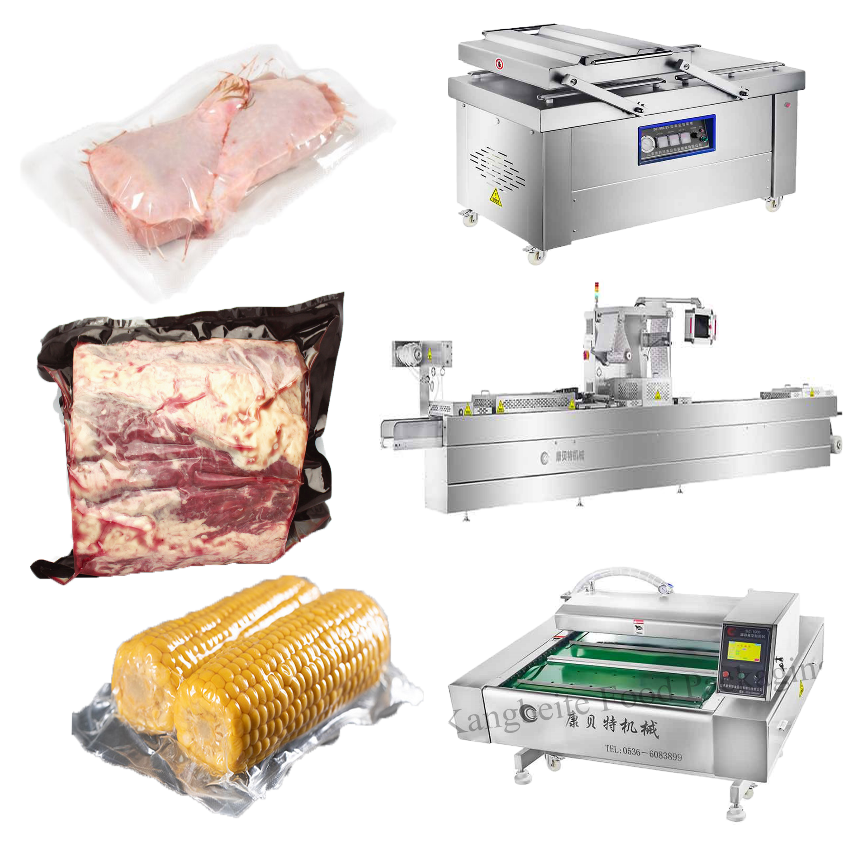
One machine can switch from making stand up pouches to vacuum sealed trays and even shrink wrapped bundles within just a few minutes. Snack companies have been particularly creative with these machines, using them to produce both nitrogen flushed chip bags and flow wrapped protein bars simply by changing around different parts. According to recent reports from early 2024, some advanced systems now manage over twelve different packaging formats. These include special breathable packages for fruits and veggies as well as secure pharmaceutical pouches that show if someone has tampered with them. The flexibility saves time and money while keeping production lines adaptable to whatever market demands pop up next.
Integrated Functions: Automated Weighing, Filling, Sealing, and Quality Inspection
These machines merge 6–8 standalone processes into one workflow: gravimetric fillers dose sticky products like honey within 1% tolerance; dual-stage sealers apply pressure-sensitive adhesives for liquid containment; X-ray detectors flag underfilled medication packs at 120 units per minute. This integration reduces packaging errors by 63% compared to manual assembly lines (Packaging Efficiency Index 2023).
Adaptability for Powders, Granules, Snacks, Seafood, and Pharmaceuticals
The antistatic augers really help keep those protein powders from forming lumps during processing. Meanwhile, when dealing with seafood products, the equipment adjusts brine mist settings just right so shrimp trays seal properly without any issues. When working with stuff that attracts moisture, such as instant coffee granules, modern machinery actually does two things at once - inserts drying agents and flushes out oxygen all within one production run. Speaking of strict standards, pharmaceutical applications require special setups with parts rated for ISO Class 5 cleanrooms plus detailed records kept automatically for audits. These aren't just fancy specs on paper; they're essential for passing inspections and maintaining quality control across different manufacturing environments.
Design Flexibility and Customization for Dynamic Production Needs
Customizable Configurations for Optimal Product Compatibility
Today's versatile packaging machines can handle all sorts of different products thanks to their adjustable settings. The machines come with options like changing how tight the seals are, swapping out nozzles of various sizes, and setting exact amounts for filling. These adjustments let factories switch from one product to another without missing a beat. Imagine going from packing fine powders like spices to creating vacuum sealed packages for fresh fish—all on the same equipment. For companies that work across several markets, this kind of flexibility makes life much easier. A factory might start the day making small 100 gram tea bags and then later shift gears to produce large 5 kilogram containers filled with industrial adhesives. The ability to do both on one machine saves time and money while keeping operations running smoothly throughout the day.
Modular Design Enabling Scalable and Flexible Packaging Lines
The best packaging systems these days are built around modular designs where parts like weight sensors, conveyor belts, and sealing units can be swapped out easily. Take vacuum packaging modules for example they're often bolted onto existing lines when dealing with products that react badly to oxygen exposure, no need to tear everything apart just to make room for new equipment. According to Packaging World from last year, companies saving around 23% on upfront costs by going modular rather than buying complete fixed systems. Plus, businesses can scale operations gradually as their market expands, adding capacity piece by piece instead of making huge investments all at once.
Quick Format Changes With Minimal Downtime and Tooling Adjustments
The latest machines can switch formats in less than ten minutes thanks to their self-adjusting sensors and adjustments that don't require tools. For example, a company making snacks just needs to pick a preset option on the machine's interface to go from those hard clamshell packages to soft stand-up pouches. No more fiddling with guide rails or adjusting heat sealers manually. The time saved during these transitions cuts down downtime by around two thirds, which gives manufacturers a real edge when they're dealing with lots of different products but not huge volumes of each one.
Multifunctional vs. Specialized Machines: Balancing Versatility and Performance
Comparing Production Speed, Throughput, and Operational Efficiency
When it comes to speed on single product lines, specialized packaging systems generally beat multifunctional machines hands down. These dedicated systems can crank out anywhere from 120 to 300 units per minute when doing repetitive work such as vacuum sealing large quantities of food products. But don't count multifunctional models out just yet. They're closing the performance gap by bringing together weighing, filling, and sealing all within one operation cycle, which cuts down on production bottlenecks. According to a study released by OMAC in 2022, plants that switched to these combined systems saw around a 38% boost in overall efficiency. The main reasons? Less time spent moving materials around and far fewer setup changes between different products.
Evaluating Trade-offs Between Flexibility and Dedicated Machine Performance
The choice hinges on production priorities:
- Specialized units excel in high-volume, single-format scenarios (e.g., vacuum packaging for seafood processors requiring 20,000 daily units)
- Multifunctional machines reduce capital expenses and floor space by 45% while handling diverse formats like pouches, shrink wrap, and trays
Can One Machine Replace Multiple Specialized Units? A Critical Analysis
While multifunctional packaging systems can replace 2–3 dedicated machines for small-to-mid-scale operations, limitations emerge in ultra-high-volume environments. For example, automotive parts manufacturers requiring 500,000 identical blister packs monthly still rely on specialized lines. Modular designs partially address this—72% of adopters report 30% faster format changes than traditional systems (OMAC 2022).
Data Insight: OMAC Study Reveals 38% Efficiency Gain With Integrated Multifunctional Systems
| Metric | Specialized Machines | Multifunctional Systems |
|---|---|---|
| Avg. Production Speed | 240 UPM | 180 UPM |
| Format Change Time | 4–8 hours | 22 minutes |
| ROI Period (Months) | 18–24 | 12–18 |
| Adaptability Score* | 32/100 | 89/100 |
*Scale measuring ability to handle 5+ packaging formats without tooling adjustments
The data reveals a clear trend: while specialized vacuum packaging machines maintain a 20% throughput advantage in single-product scenarios, multifunctional systems reduce downtime by 68% in mixed-product facilities. This aligns with the growing demand for agile production lines that can pivot between snack foods, pharmaceuticals, and consumer electronics packaging.
Real-World Applications Across Key Industries
Food industry: Efficient handling of snacks, liquids, and seafood using vacuum packaging machine setups
Multifunctional packaging machines are really making waves in food production settings where they need to switch formats quickly. These machines can deal with all sorts of tricky products including those sensitive to moisture, thick liquids, and even delicate seafood stuff. They do this thanks to some pretty smart vacuum packaging setups which actually help things last longer on shelves somewhere around 25 to 40 percent longer according to what I've seen. Looking at the latest Food Processing Report from 2024, it turns out plants that have these integrated systems report about a 22% boost in efficiency when moving from one format to another say from those little spice packets to vacuum sealed meal trays. And interestingly enough, the same research pointed out there was roughly 15% less packaging going to waste because of better portion control features built into these machines.
Pharmaceuticals: Ensuring precision, sterility, and regulatory compliance through integration
Pharma companies rely on versatile packaging equipment to satisfy ISO 15378 requirements while keeping their production lines adaptable. Modern systems handle everything from blister packs for pills to nitrogen-filled pouches needed for sensitive biologic drugs, plus secure containers for prescription medications all without risking contamination between products. According to research published last year, facilities using these advanced machines saw nearly half fewer labeling mistakes thanks to built-in camera systems that check if packages meet those strict FDA guidelines found in 21 CFR Part 211. These improvements aren't just about meeting paperwork requirements they actually save time and money in the long run.
High-volume production: Multi-track capabilities for scalable output
Manufacturers at the top of their game are increasingly turning to dual track packaging systems that can run multiple products all at once. These machines pack around 400 snack bags every minute on one side while handling things like sauce packets or frozen fish portions on the other track. According to data published by Packaging Digest last year, nearly two thirds of big volume producers have gone for this modular setup. The advantage? They can expand production capacity without shutting down entire lines for upgrades. Most companies report getting their money back within about a year and a half just by cutting down what they spend on buying lots of different specialized machinery.
Table of Contents
- Understanding the Evolution and Demand for Multifunctional Packaging Machines
-
Core Capabilities of a Multifunctional Packaging Machine
- Handling Diverse Product Sizes, Shapes, and Formats with Precision
- Support for Multiple Packaging Types: Pouch, Tray, Vacuum Packaging, Shrink Wrap, and More
- Integrated Functions: Automated Weighing, Filling, Sealing, and Quality Inspection
- Adaptability for Powders, Granules, Snacks, Seafood, and Pharmaceuticals
- Design Flexibility and Customization for Dynamic Production Needs
-
Multifunctional vs. Specialized Machines: Balancing Versatility and Performance
- Comparing Production Speed, Throughput, and Operational Efficiency
- Evaluating Trade-offs Between Flexibility and Dedicated Machine Performance
- Can One Machine Replace Multiple Specialized Units? A Critical Analysis
- Data Insight: OMAC Study Reveals 38% Efficiency Gain With Integrated Multifunctional Systems
- Real-World Applications Across Key Industries