A multi head filling machine is a high-precision automated equipment designed to simultaneously fill multiple containers (bottles, jars, cans) with liquids, powders, granules, or pastes, addressing the core demand for high throughput and consistent dosing across industries. Its fundamental operation revolves around the coordination of multiple filling heads—typically ranging from 6 to 24 heads, with custom configurations reaching 36 heads for large-scale production—each synchronized to execute filling cycles in parallel, a design that distinguishes it from single-head machines by boosting productivity by 4 to 8 times. The machine’s workflow begins with container indexing: a conveyor system (often with star wheels or belt conveyors) positions containers precisely under each filling head, using photoelectric sensors to ensure alignment—misalignment triggers an immediate pause, preventing material waste or container damage. Next, the filling process initiates, with the type of filling mechanism tailored to the material’s physical properties: for free-flowing liquids (e.g., water, juice), gravity-fed or pressure-assisted systems are used to deliver rapid, low-waste filling; for viscous materials (e.g., sauces, creams), piston or peristaltic pumps control flow to avoid clogs; for powders (e.g., coffee, spices) or granules (e.g., sugar, detergent), auger or vacuum systems regulate volume to minimize dust and ensure uniform dosing. Each head is equipped with independent adjustment controls, allowing operators to fine-tune dosing volumes (from milliliters to liters for liquids, grams to kilograms for solids) across heads, with precision typically maintained within ±0.5%—a critical specification for industries like pharmaceuticals and food where dosage accuracy directly impacts safety and compliance.
Core components that enable reliable performance include a programmable logic controller (PLC) integrated with a human-machine interface (HMI), which centralizes control over filling speed (up to 1,200 containers per minute for 12-head models), dosing parameters, and operational monitoring (e.g., production count, error alerts for underfilled/overfilled containers). Servo motors drive the filling heads and conveyor system, ensuring synchronized movement that reduces container jostling and material spillage. Material contact parts are constructed from food-grade or pharmaceutical-grade materials—316 stainless steel for corrosion resistance, food-safe elastomers for seals—to meet hygiene standards, with many models featuring clean-in-place (CIP) systems that automate cleaning cycles, eliminating manual disassembly and reducing downtime between production runs.
Industry applications of multi head filling machines span diverse sectors: in the food and beverage industry, they fill carbonated drinks, edible oils, and dairy products; in pharmaceuticals, they handle oral liquids, syrups, and powdered medications (complying with Good Manufacturing Practices, GMP); in cosmetics and personal care, they dose shampoos, lotions, and perfumes; in chemicals, they fill detergents, lubricants, and industrial fluids (with acid-resistant coatings for harsh materials). Compliance with global standards is integral to their design: they meet FDA (U.S. Food and Drug Administration) requirements for food contact materials, EU Regulation 10/2011 for plastic components in food applications, and ISO 9001 for quality management, ensuring compatibility with markets in North America, Europe, Asia, and beyond.
Recent technological advancements have enhanced their versatility and efficiency: IoT (Internet of Things) integration enables remote monitoring, allowing operators to track performance, access production data, and troubleshoot issues from off-site locations; modular designs permit quick replace of filling heads or nozzles to adapt to different container sizes (e.g., from small vials to large buckets) or material types, reducing changeover time by 30-40%; energy-efficient motors and air-saving pneumatic systems lower operational costs, aligning with global sustainability trends. Overall, the multi head filling machine serves as a cornerstone of modern manufacturing lines, balancing speed, precision, and flexibility to meet the diverse needs of global customers across industries.
05
Jun
24
May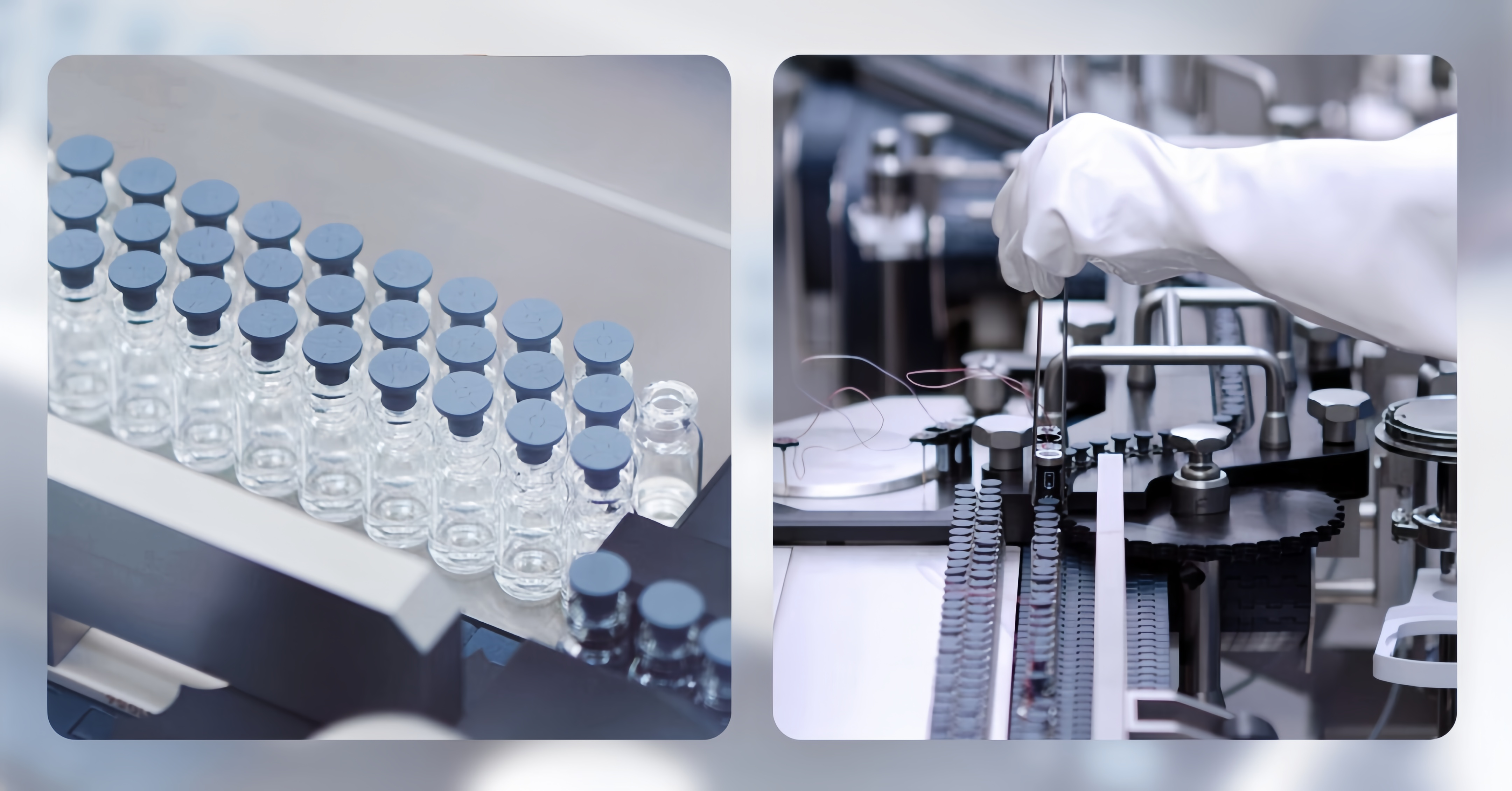
05
Jun
24
May
Copyright © 2025 by Shandong Kangbeite Food Packaging Machine Co., Ltd. Privacy policy
 EN
EN