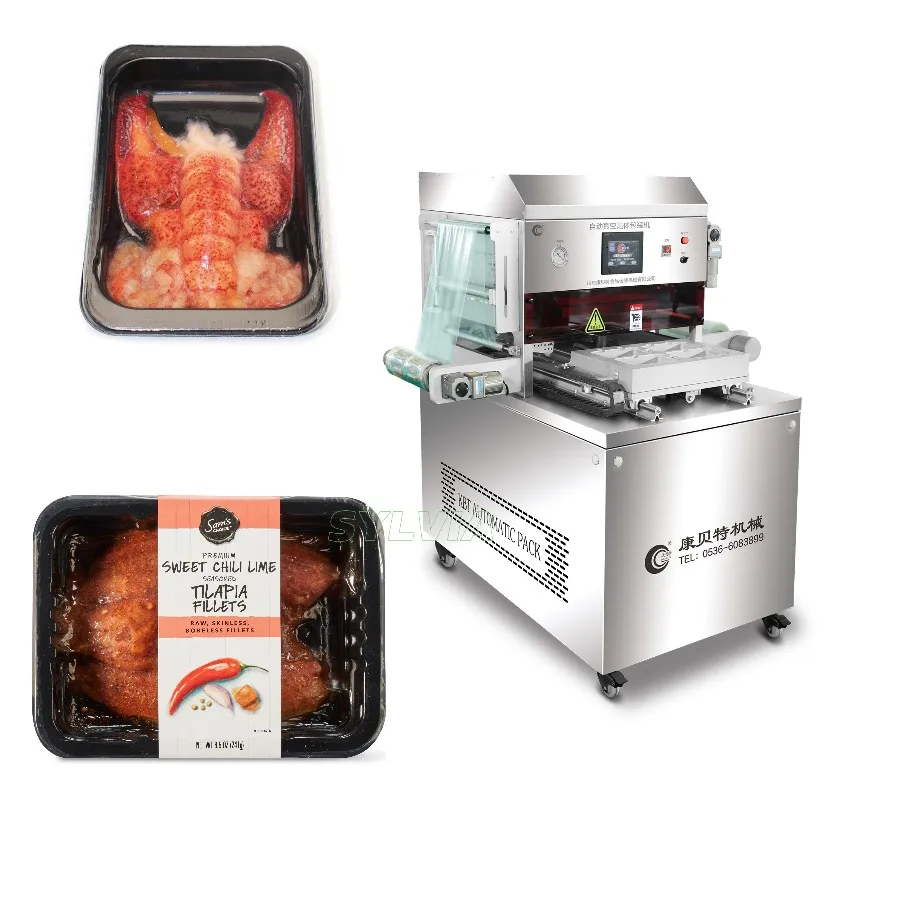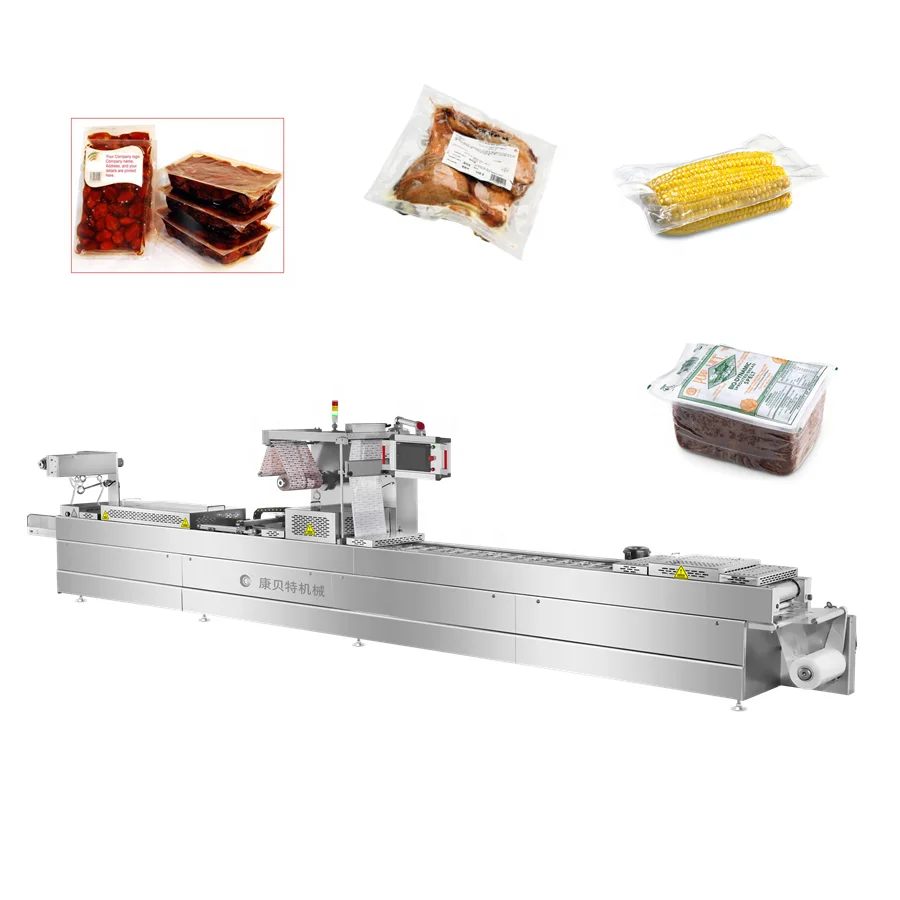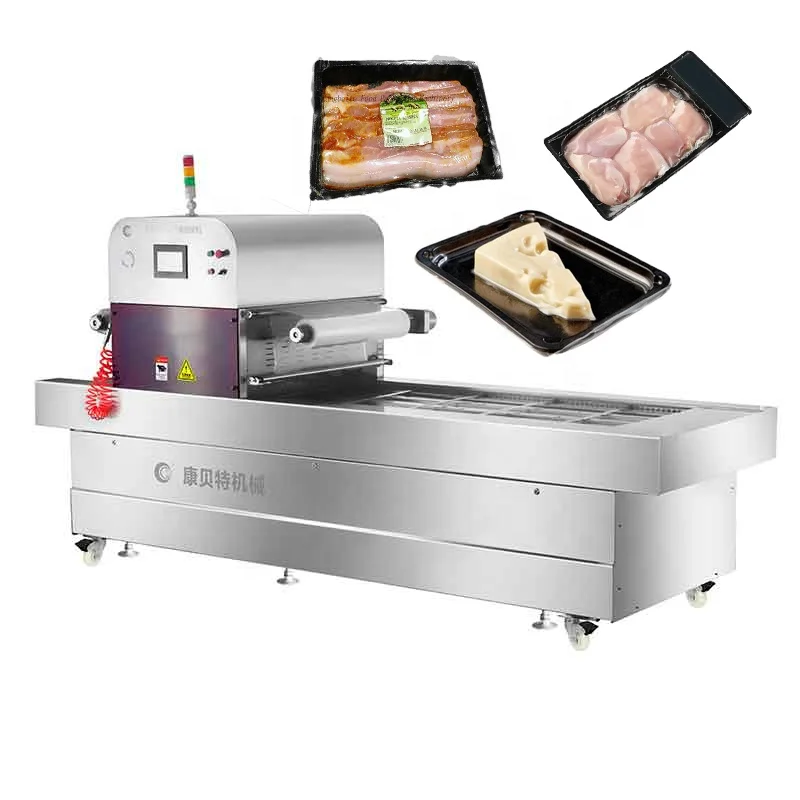
A food filling machine is a specialized automated system engineered to precisely deposit liquid, paste, granular, or powdered food materials into containers (bottles, cans, pouches, jars) while adhering to strict food safety protocols and efficiency benchmarks. Unlike general-purpose filling equipment, its design prioritizes material compatibility, contamination prevention, and compliance with global standards such as FDA 21 CFR Part 177, EU Regulation (EC) No 10/2011, and HACCP guidelines. For liquid foods (e.g., juice, oil, dairy), it uses gravity filling (for low-viscosity products, ensuring minimal foam), pressure filling (for carbonated beverages, maintaining CO₂ levels), or volumetric piston filling (for high-viscosity items like ketchup, with ±0.5% accuracy). Granular and powdered food fillers (sugar, flour, coffee) integrate auger systems with anti-clumping mechanisms or weigh cells (±1% precision) to avoid dust dispersion and ensure consistent dosing. Paste fillers (peanut butter, chocolate spread) rely on positive displacement pumps to handle thick materials without shearing, preserving texture. A critical design element is the contact surface material—304 or 316L stainless steel (corrosion-resistant, easy to sanitize) and FDA-approved elastomers (silicone, EPDM) that prevent chemical leaching. Most models feature CIP (Clean-in-Place) systems, using heated water or food-grade detergents to automate cleaning, reducing cross-contamination risks between batches (e.g., switching from sweet to savory products). Production capacity ranges from 20 containers per minute (CPM) for artisanal operations to 500 CPM for industrial lines, with quick-changeover capabilities (adjustable nozzles, recipe storage in PLC systems) to minimize downtime. Quality control features include container detection (stopping filling if no container is present), overfill/underfill sensors, and metal detectors to reject non-compliant products. For food manufacturers, this equipment ensures label accuracy (meeting dosage claims), reduces material waste (≤2% spillage), and supports scalability. It also aligns with consumer trends toward convenient, shelf-stable packaging, enabling access to global markets by complying with regional safety regulations (e.g., USDA for North America, EFSA for Europe).
Copyright © 2025 by Shandong Kangbeite Food Packaging Machine Co., Ltd. Privacy policy
 EN
EN