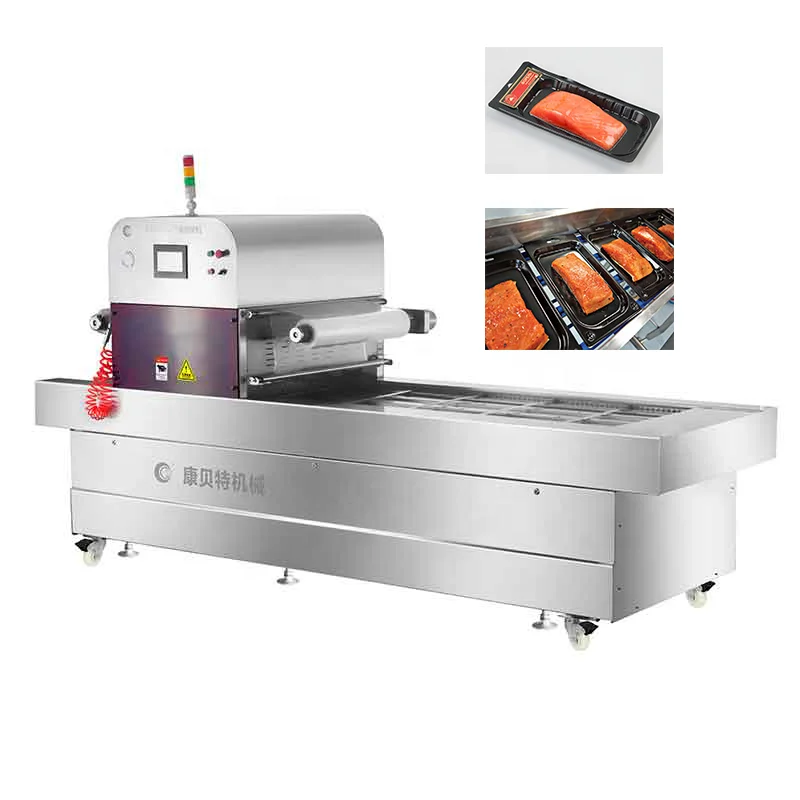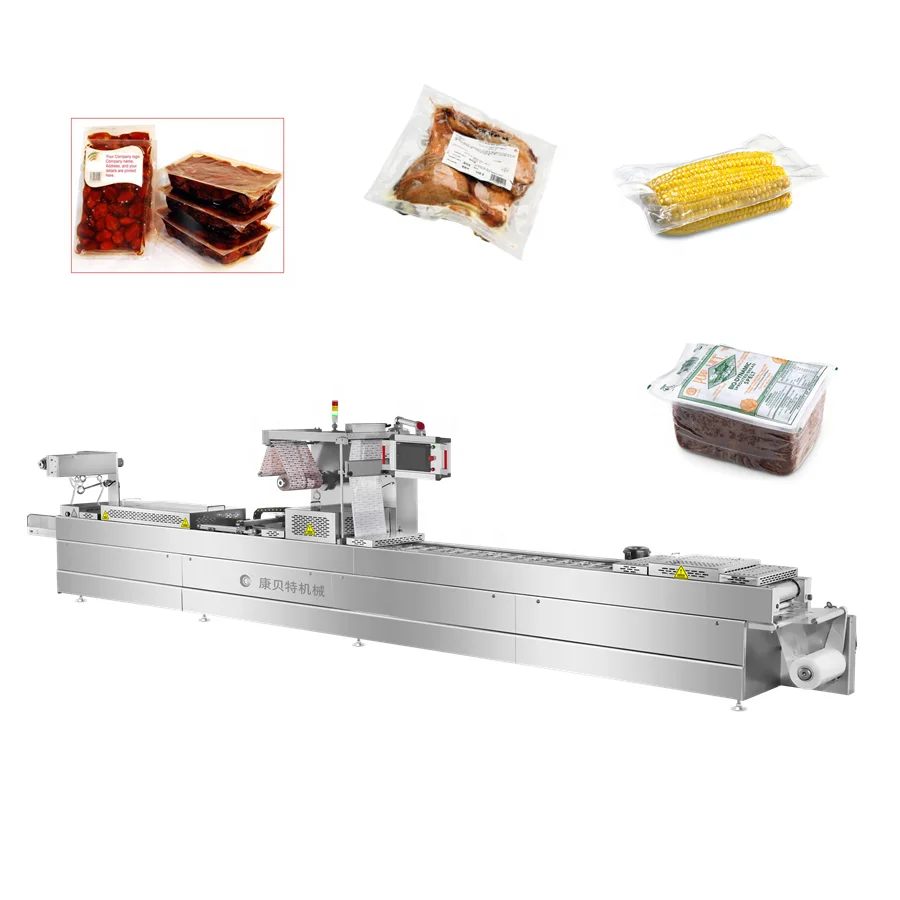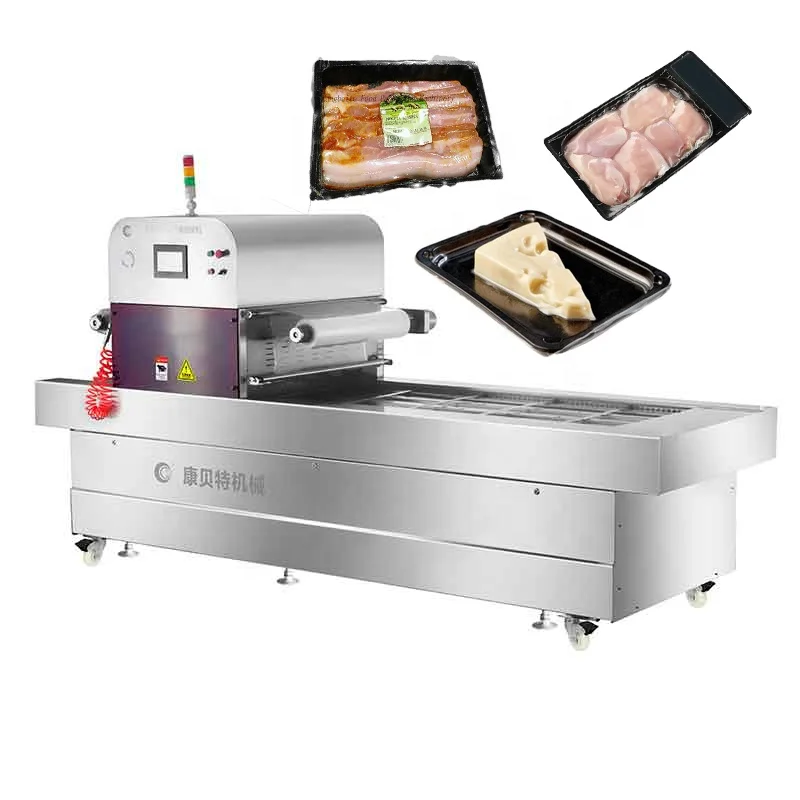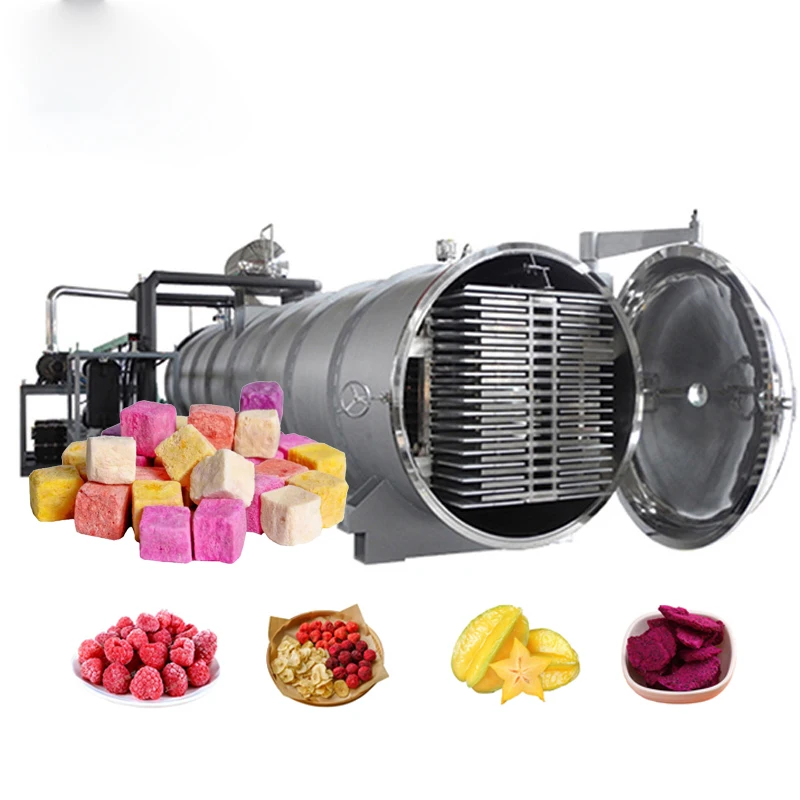
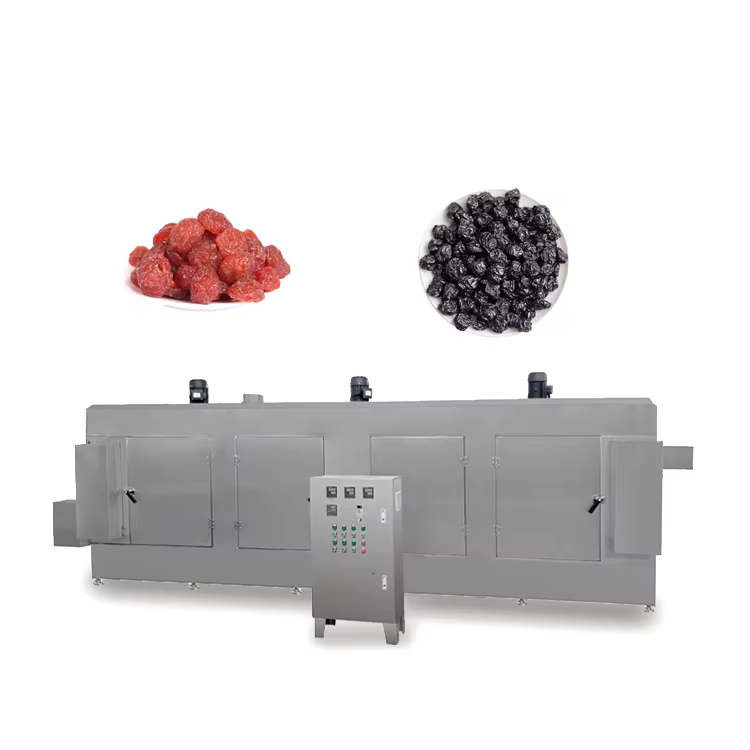
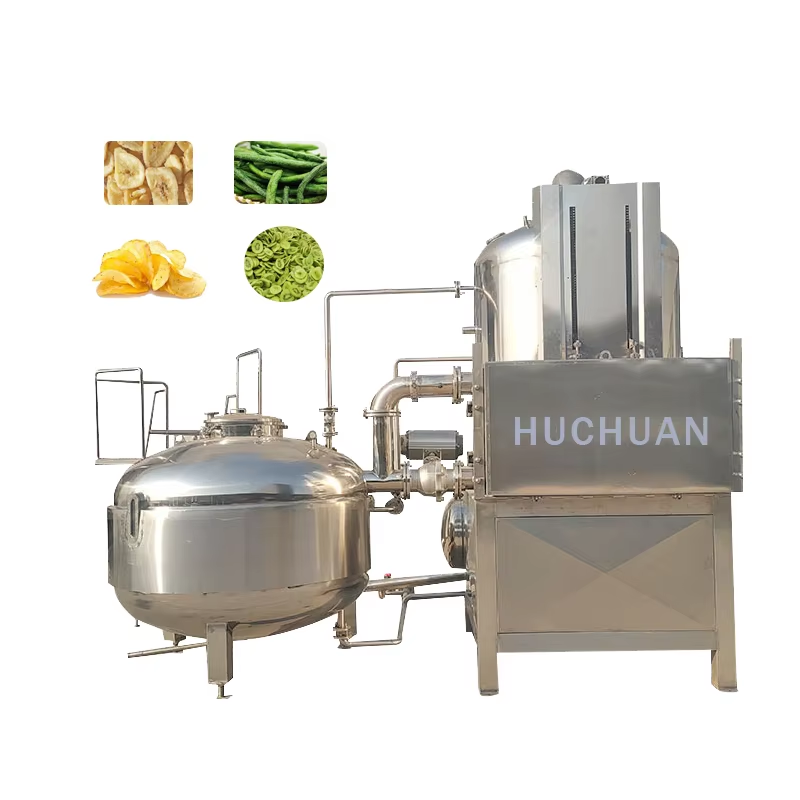
An industrial fruit and veg processing line is a integrated, high-capacity system designed to streamline the entire production workflow for fresh produce, from raw material preparation to finished product packaging, catering to large-scale food manufacturers, frozen food producers, and beverage companies. Unlike small-scale, standalone equipment, this line combines multiple interconnected modules—each specialized for a specific processing step—to ensure efficiency, consistency, and compliance with global food safety standards such as ISO 22000 and HACCP. The core modules typically include sorting systems (using optical sensors or mechanical sorters to remove defective produce, foreign objects like stones or leaves, and size-classify items), washing units (equipped with high-pressure water jets, ultrasonic cleaners, or ozone sanitization to eliminate dirt, pesticide residues, and pathogens), peeling and cutting machines (with adjustable blades or abrasive rollers to handle diverse produce types—e.g., rotating peelers for potatoes, precision cutters for leafy greens into shreds or chunks), blanching systems (using hot water or steam to inactivate enzymes, preserve color, and reduce microbial load), dehydration or freezing units (depending on end products), and packaging lines (automated to fill, seal, and label products in bags, cartons, or trays). Advanced industrial lines incorporate PLC (Programmable Logic Controller) systems with touchscreen interfaces, enabling real-time monitoring and adjustment of parameters like processing speed (ranging from 1,000 to 10,000 kg/h), water temperature, and cutting dimensions—ensuring uniformity across batches. Material selection is critical: all contact surfaces are made of food-grade 304 or 316 stainless steel, which resists corrosion, withstands frequent sanitization, and prevents chemical leaching into produce. Energy and water efficiency are also prioritized, with features like closed-loop water recycling (reducing consumption by 40–60%) and heat recovery systems (capturing waste heat from blanching to preheat water). Flexibility is another key advantage: modular designs allow manufacturers to add or remove components (e.g., a juice extraction module for fruit processing lines) to adapt to changing product needs—such as shifting from frozen broccoli florets to fresh-cut salad mixes. For global operations, these lines are engineered to comply with regional regulations, including EU CE marking, US FDA guidelines, and Chinese GB standards, ensuring market access. Maintenance is simplified with easy-to-access components and automated cleaning cycles, minimizing downtime. In summary, an industrial fruit and veg processing line is a strategic asset that enables manufacturers to scale production, maintain product quality, reduce labor costs, and meet the demands of fast-paced food markets—whether supplying retail chains, food service providers, or industrial ingredient buyers.
05
Jun
24
May
05
Jun
24
May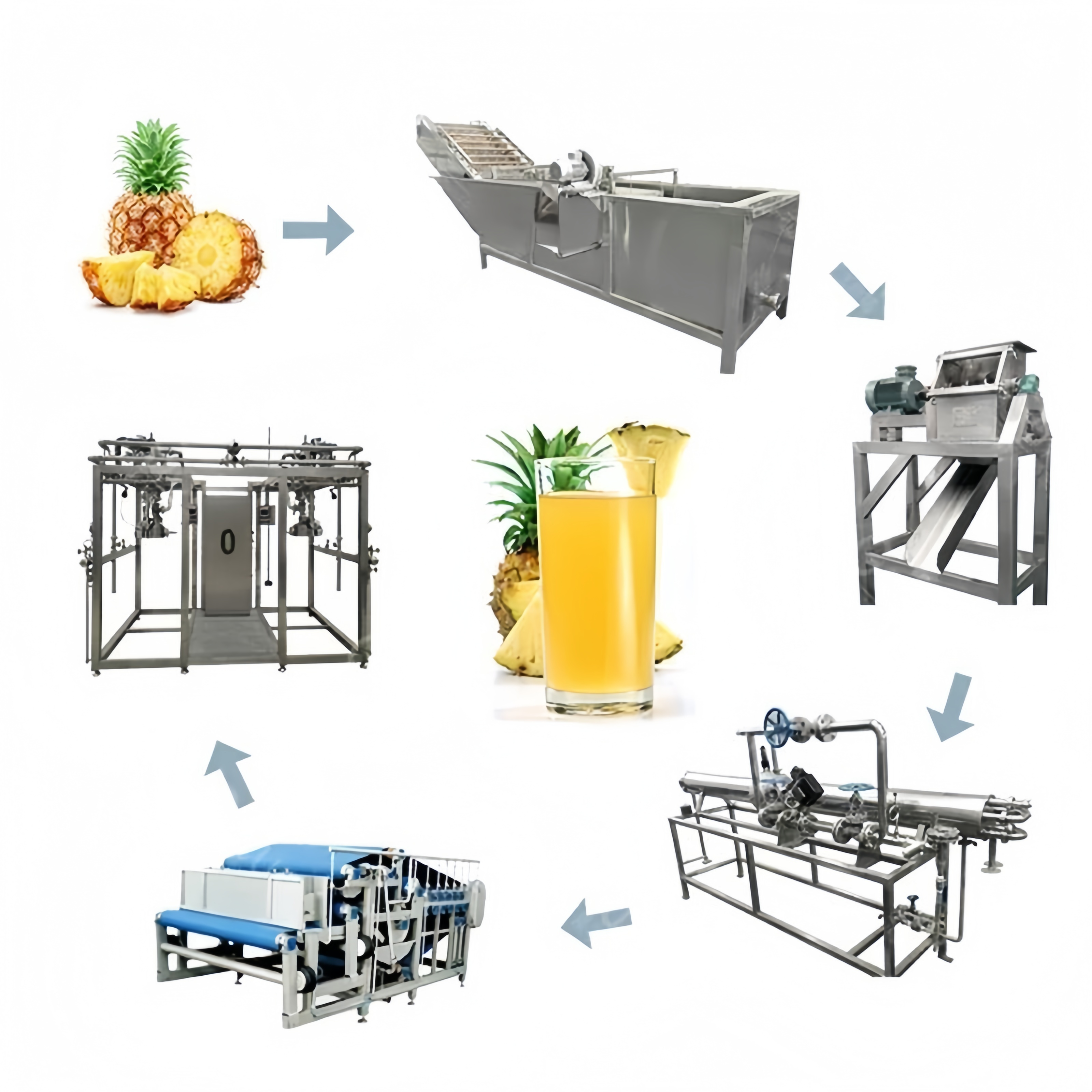
Copyright © 2025 by Shandong Kangbeite Food Packaging Machine Co., Ltd. Privacy policy
 EN
EN