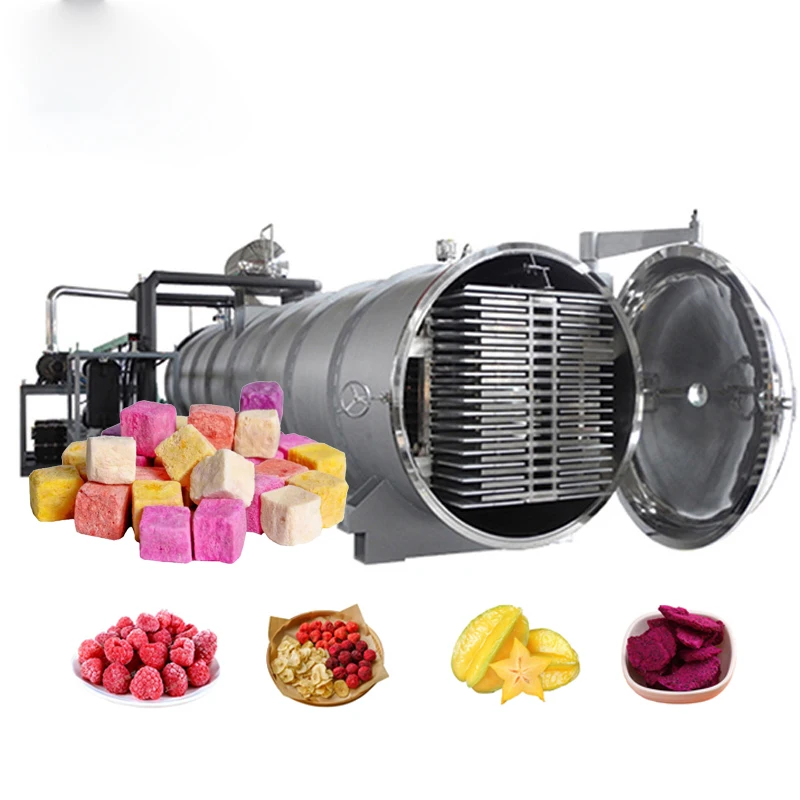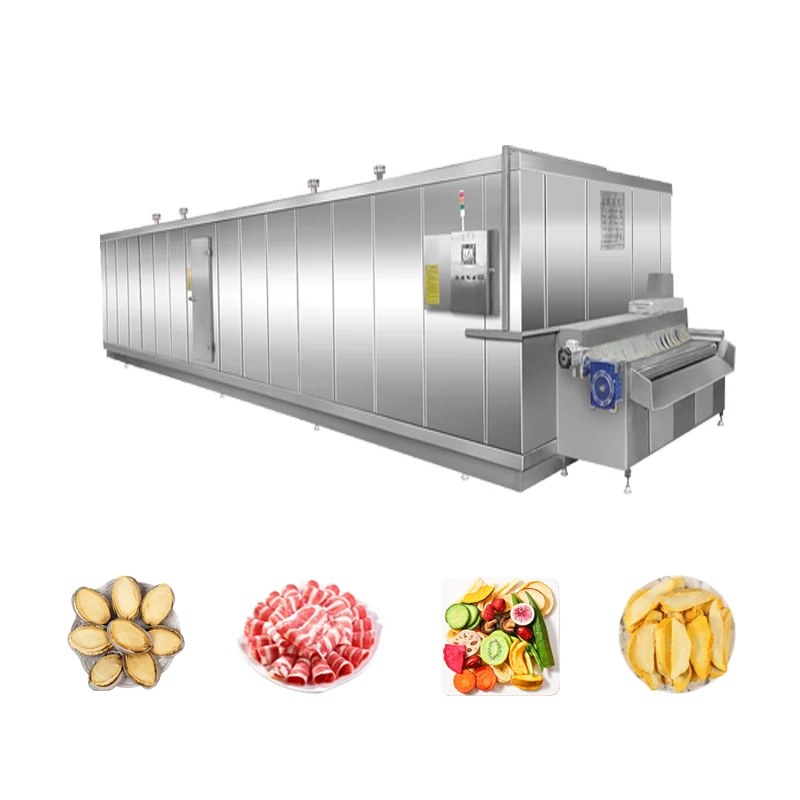
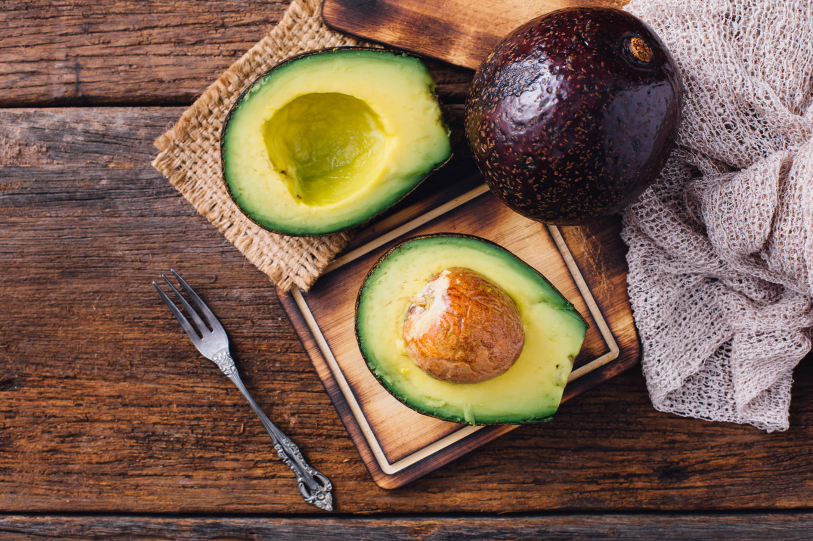
A fruit and veg freezing machine is a specialized piece of equipment designed to rapidly freeze fresh produce while preserving its nutritional value, texture, color, and flavor—critical for extending shelf life and maintaining product quality from farm to consumer. Unlike general-purpose freezers, these machines address the unique challenges of freezing fruits and vegetables, which are high in water content (60–95%) and sensitive to enzymatic browning or cell damage if frozen too slowly. The two primary technologies used in fruit and veg freezing machines are air-blast freezing and cryogenic freezing. Air-blast machines circulate cold air (-30°C to -40°C) at high velocities (2–5 m/s) through a tunnel or belt system, surrounding individual produce pieces to achieve rapid freezing (typically 10–30 minutes, depending on product size). This prevents the formation of large ice crystals, which can rupture cell walls and lead to mushy texture when thawed—ideal for products like berries, peas, and diced carrots. Cryogenic machines, by contrast, use liquid nitrogen (LN2) or carbon dioxide (CO2) to create ultra-low temperatures (-70°C to -196°C), freezing produce in seconds to minutes. This technology is preferred for delicate items like leafy greens, avocados, or sliced fruits, as it minimizes moisture loss and preserves crispness, though it has higher operational costs due to cryogen consumption. Key design features of fruit and veg freezing machines include adjustable belt speeds (to control freezing time for different produce types), food-grade conveyor belts (made of PU or Teflon to prevent sticking), and insulation with high-density foam to maintain temperature stability. Many models include pre-cooling zones to lower produce temperature from ambient (20–25°C) to 0–5°C before freezing, reducing energy usage and improving freezing efficiency. For food safety, all contact surfaces are constructed from 304 stainless steel, and machines are designed for easy disassembly and sanitization—complying with ISO 22000 and FDA standards. Capacity ranges from small batch machines (50–200 kg/h) for artisanal producers to large industrial units (2,000–5,000 kg/h) for major food manufacturers. Some advanced models integrate with upstream processing lines (e.g., washing, cutting, blanching) via automated conveyors, creating a seamless workflow. Additionally, modern machines incorporate energy-saving features like variable-speed fans and heat recovery systems, reducing electricity consumption by 15–25%. For specific produce needs, customizations are available: for example, IQF (Individual Quick Freezing) attachments for berries to prevent clumping, or vacuum freezing options for high-sugar fruits like mangoes to avoid crystallization. Compliance with global standards is ensured, with CE, FDA, and GB certifications enabling export to diverse markets. In conclusion, a fruit and veg freezing machine is essential for businesses in the frozen food industry, enabling them to deliver high-quality, nutritious products that meet consumer expectations for freshness while supporting year-round availability of seasonal produce.
24
May
05
Jun
24
May
05
Jun
Copyright © 2025 by Shandong Kangbeite Food Packaging Machine Co., Ltd. Privacy policy
 EN
EN