
 EN
EN
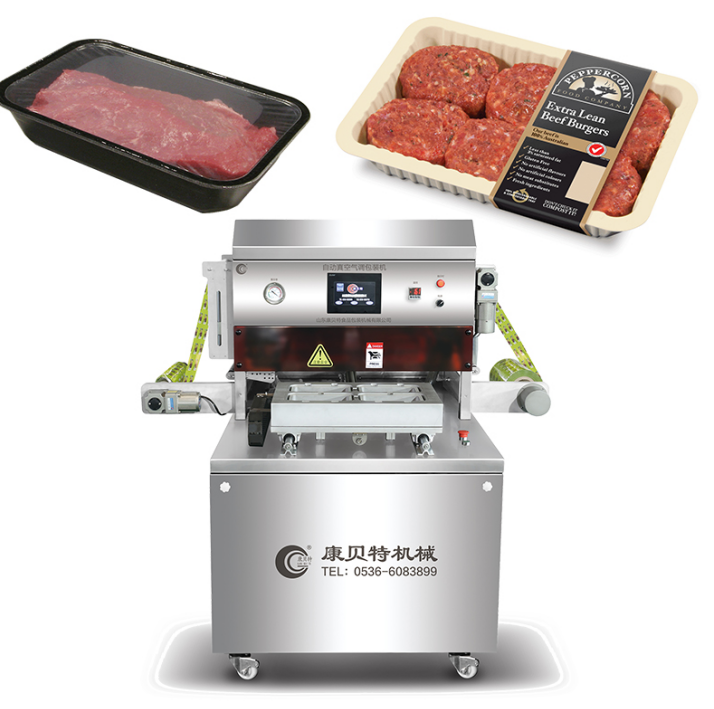
How Modified Atmosphere Packaging Machines Preserve Meat Freshness
The role of modified atmosphere packaging machine in extending meat shelf life
MAP machines help keep meat fresh longer by swapping out regular air for specific gas mixes mainly made up of carbon dioxide, nitrogen, and just right amounts of oxygen. When stored this way, bacteria don't grow as fast and those enzymes that cause meat to go bad work much slower too. Studies indicate that meat packed with MAP stays fresh about two to three times longer compared to normal packaging methods. Take chicken for instance it can last around seven days instead of just three when kept properly (according to Food Safety Magazine from last year). What makes this method so good is that it works without needing to freeze the meat or add any preservatives. The result? Meat keeps its juicy texture, stays tender, and retains most of its nutrients throughout storage.
Core working principle: Gas replacement and oxygen control in MAP machines
Modified Atmosphere Packaging (MAP) systems work through three main steps: first they create a vacuum, then inject specific gases, and finally seal everything tight. The sensors keep track of gas levels and stay within about 1% accuracy. Why does this matter? Even small changes can lead to food going bad faster. Carbon dioxide helps stop bacteria and mold growth. Nitrogen keeps packages from collapsing and stops oxygen from reacting with the meat. Oxygen itself needs careful control too. For fresh beef, we typically want around 70 to 80% oxygen to keep that nice red color consumers expect. But when dealing with cured or cooked meats, we drop oxygen below 1% to avoid those unpleasant rancid smells. Getting these details right means manufacturers can handle different types of meat products without constantly switching equipment setups.
Case study: MAP machine integration in European fresh meat supply chains
When European fresh meat companies started rolling out modified atmosphere packaging (MAP) machines throughout their distribution channels, they saw a massive drop in post-packaging waste - about 40% overall. Take one lamb processor in the region for instance. They managed to stretch product shelf life from just 5 days up to 14 by mixing carbon dioxide and nitrogen in equal parts. This meant they could ship products across the country while keeping them chilled instead of frozen. What makes this work isn't just about getting the right gas mix right. These systems need to sync properly with existing production line speeds, maintain good seals every time, and meet strict EU food safety rules that are pretty much on par with what the USDA requires. Modern MAP equipment comes in different sizes too. Small scale producers making specialty cuts can benefit just as much as big factories cranking out thousands of packages daily.
Optimal Gas Mixtures for Meat Preservation in Modified Atmosphere Packaging
Function of O₂, CO₂, and N₂ in maintaining red meat color and safety
In modified atmosphere packaging (MAP), each gas serves its own unique purpose that can't really be swapped around. Carbon dioxide works by dissolving into the moisture content of meat products, which lowers the pH level and stops spoilage organisms like Pseudomonas and Brochothrix from growing. This process can cut down bacterial load by roughly 80% when stored at cold temperatures. Oxygen helps maintain the bright red color that customers expect when they see fresh meat on display through oxymyoglobin formation. However, if oxygen levels go over about 70%, it actually speeds up lipid oxidation and creates those unpleasant flavors we all know too well. Nitrogen functions mainly as an inert filler gas that keeps packages from collapsing under pressure while also reducing the risk of oxidation reactions happening inside the package. Most experts agree that keeping carbon dioxide levels above 20% is pretty much necessary for significantly slowing down microbial growth in various types of fresh meat products across the industry.
Balancing high-oxygen and low-oxygen environments for different meat types
Optimal gas blends vary by meat type and processing method:
- Red meats (beef, lamb): 70–80% O₂ + 20–30% CO₂ preserves color while providing antimicrobial action
- Poultry & processed meats: ≤40% O₂ (often 0–30%) + 50–70% CO₂ minimizes rancidity and pathogen risk
- Pork & fish: 40–60% O₂ + 40–50% CO₂ balances color stability with robust microbial control
This calibration prevents metmyoglobin formation in red meats and leverages CO₂’s solubility to suppress Listeria monocytogenes in ready-to-eat products—without compromising sensory quality.
Compatible Packaging Materials and Formats for Meat MAP Machines
Selecting appropriate packaging formats is critical for modified atmosphere packaging (MAP) machine effectiveness with meat products. The right material combinations maintain gas composition while preventing contamination, purge loss, and moisture migration.
Rigid trays, barrier films, and sealability in modified atmosphere packaging machine output
Most rigid trays used in packaging are made from materials like PET or PP. These trays help keep fresh cuts stable and allow gases to spread evenly when they're flushed out. For the gas tight seal, manufacturers rely on high barrier films that usually contain something called EVOH, which stands for ethylene-vinyl alcohol copolymer. When it comes to keeping food fresh, the quality of this seal matters a lot. Research published in Food Packaging Trends last year indicated that packages with weak seals can lose between 25% to 40% of their shelf life effectiveness. Today's MAP machines manage to keep leak rates at or below 0.1%. They do this using precisely controlled heat sealing mechanisms, making sure each tray sits there long enough, and constantly checking pressure levels so that all packages hit those important performance standards required by the industry.
Material permeability and its impact on long-term meat preservation
Gas transmission rates govern how well a package retains its internal atmosphere over time:
- Oxygen transmission rate (OTR) <5 cc/m²/day prevents myoglobin oxidation and surface browning
- CO₂ retention ≥50% sustains antimicrobial efficacy throughout chilled storage
- Water vapor transmission rate (WVTR) <15 g/m²/day minimizes purge loss and weight degradation
High-barrier laminates extend red meat freshness to 14–21 days versus 5–7 days with standard polyolefin films. Recent trials confirm EVOH-based structures reduce purge loss by 30% compared to single-layer alternatives (Meat Science Journal 2024), directly enhancing yield and consumer appeal.
Tailoring Modified Atmosphere Packaging Machines to Specific Meat Products
MAP Machine Settings for Sliced, Cured, and Cooked Meats
Getting MAP right means tailoring it specifically for each product type, not only looking at the gas mixtures involved but also considering how they handle during processing. Take sliced deli meats for instance. These need quick yet careful gas flushing so their surfaces don't turn gray from oxidation or dry out completely. When dealing with cured goods like salami, manufacturers have to get the oxygen levels really low below half a percent to keep the nitrites stable and stop rancidity from setting in, all while making sure the natural fermentation process isn't disrupted. Cooked products present different challenges altogether. Roast beef and turkey breast require at least thirty percent carbon dioxide in the packaging atmosphere to fight off Listeria bacteria. But there's another side to this equation too. The nitrogen fill needs to be just right because too much can cause packages to cave in when vacuum sealed, which nobody wants seeing on store shelves.
Customizing Gas Mixtures and Packaging Speed for Processed and Crispy Meats
For processed meats such as sausages and bratwurst, a blend of around 30% carbon dioxide mixed with 70% nitrogen works really well. The CO2 helps stop aerobic spoilage from happening, while the nitrogen keeps those meat products looking good and holding onto their surface moisture. When it comes to crispy foods like bacon strips or fried chicken cutlets though, things get trickier. These items require slower sealing processes to maintain their delicate textures. High nitrogen environments above 80% actually create a sort of protective layer that stops moisture from moving around and prevents them from getting crushed during packaging. Ground patties and uniform nuggets tell a different story altogether. They can handle much faster processing speeds on production lines where quick turnaround boosts overall efficiency without compromising either the seal quality or how stable the gases remain inside the packaging.