
 EN
EN
Core Types of Vacuum Packaging Machines
Understanding the three primary vacuum packaging machine configurations is essential for matching technology to your product requirements. Each design addresses distinct operational challenges while optimizing shelf life extension through oxygen removal.
External (Nozzle) Vacuum Sealers for Small-Batch and Dry Goods
These little machines are pretty compact and won't break the bank either. They suck air right out of bags through the opening with some sort of external nozzle attached. Great for small scale stuff where someone might be packing less than twenty items per hour. Work really well for things like dried foods grains jerky coffee beans basically anything without liquids since there's no need to worry about displacing water. The whole process is straightforward enough that most people can figure it out without much instruction. But watch out if dealing with moist products because the internal parts get messed up by humidity which makes them less effective overall. Some portable versions take up very little space on kitchen counters which explains why so many craft food makers and folks selling at local farmer markets have started grabbing these up lately.
Chamber Vacuum Sealers for Liquids, Delicate Items, and Consistent Seals
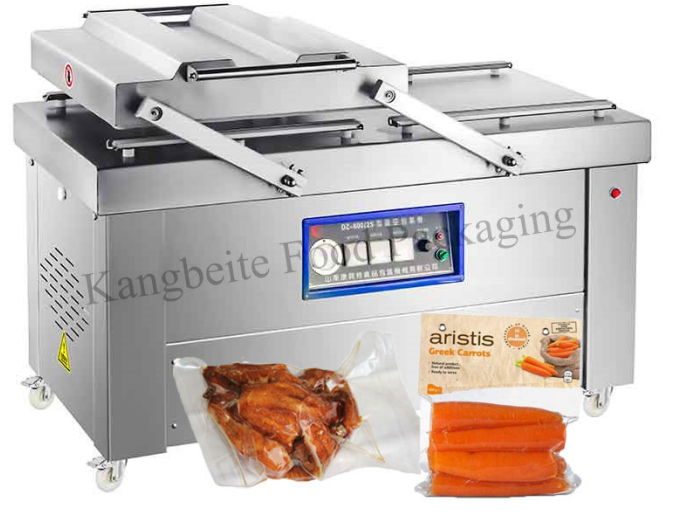
Putting products into sealed containers first helps stop liquids from boiling over during processing while keeping delicate stuff like berries or pastries safe from getting smashed. When pressure spreads evenly across surfaces, it creates better seals even on rough packaging materials something that matters a lot when dealing with things like marinated meat or those fancy vacuum cooked dishes. These heavy duty pumps can pull down to under 1 millibar of pressure inside, which means food stays fresh about three to five times longer than regular packaging methods according to some recent studies on how to keep food from going bad that came out last year in this journal called Food Engineering.
Thermoforming Vacuum Packaging Machines for High-Volume, Industrial Applications
These automated machines bring together several functions all at once film forming, loading products, vacuum sealing, and cutting everything happens continuously without stopping. They can handle over 40 packages every single minute, which makes them ideal for big operations such as making frozen meals or sterilizing medical devices. When it comes to packaging materials, these systems actually cut down on waste compared to regular pre-made pouches around 30% less waste to be exact. Plus, the way things are packaged gives better visibility so customers can see what they're getting, plus protects against damage during transport. The thermoforming process works great with odd shaped items too think about meat with bones still in it or sensitive electronic parts. Some models even come with special features where gases get flushed through the package inline, allowing companies to integrate modified atmosphere packaging techniques right into their workflow.
Critical Performance Specifications for Reliable Operation
Vacuum Strength, Cycle Time, and Sealing Bar Capacity
The strength of a vacuum, measured in millibars, basically tells us how good it is at pulling out oxygen which makes all the difference when it comes to how long food stays fresh on shelves. When dealing with wetter products, getting down below 1 mbar really helps stop things from going bad too quickly. Now most chamber machines take somewhere between half a minute to a full minute to finish both the vacuuming and sealing process. Speed matters for production volume obviously, but there's a catch here. Regular sealing bars can manage around 10 mm thickness, whereas those built for tougher jobs go up to 15 mm for thicker bags. What happens if the sealing power isn't quite enough? Textured packaging just won't stick properly, and that means losing valuable product stock over time.
Automation Level, Safety Certifications, and User Interface Design
For smaller scale operations, semi automated equipment works just fine. When production goes above around 200 packages per hour though, most facilities switch to PLC controlled systems that handle both bag loading and gas flushing automatically. Always check for CE or UL certification marks when purchasing new machinery these days. They're not just fancy stickers but actual proof that the equipment meets important safety standards. Touchscreen panels with pre set programs have become pretty standard nowadays. Factories report about a 40 percent drop in mistakes when operators use these instead of old fashioned manual controls, based on some recent research from Smithers Pira back in 2022. The real game changer comes with those ergonomic control panels that actually warn workers when maintenance is needed. Seeing red lights flash or getting pop up messages about things like replacing seal bars helps keep machines running smoothly without unexpected breakdowns during long production runs.
Matching Vacuum Packaging Machine Capacity to Your Throughput Needs
Matching the capacity of a vacuum packaging machine to what gets produced is essential if we want to avoid slowdowns in operations and get good returns on our money spent. To begin with, figure out how many packages are made each day or week. Operations that produce more than thirty packs per minute need serious industrial equipment like chamber or thermoforming systems. Small businesses just getting started usually work fine with basic external sealers that handle between five and ten packs a minute. Keep in mind those busy seasons when demand spikes and think about where things might go next. Getting undersized machines can lead to expensive replacements down the road. According to industry reports, companies producing over thirty packs per minute tend to boost their productivity by around 19 percent when they invest in machines built for non-stop running. On the flip side, buying bigger than needed isn't smart either. Overly powerful equipment costs 40 to maybe even 60 percent more initially and eats up extra energy for smaller scale operations. Check how long cycles take compared to how often products switch over, making sure seals stay intact during longer periods of operation. Look for machines with modular design features so automation can be added gradually as production grows. This approach protects investments for the long haul without hurting day-to-day efficiency now.
Product and Packaging Compatibility: Ensuring Optimal Seal Integrity
Handling Liquids, Powders, and Irregularly Shaped Products
When packaging liquids, special drip control systems and pulse vacuum cycles become essential to stop boil-over problems during the sealing process. Chamber vacuum sealers actually bring down spillage rates to below 2%, according to those ASTM F2095 tests everyone talks about. With powders, there's another challenge entirely. Fine particle filtration needs to be installed in all those vacuum lines otherwise everything gets clogged up and operations come grinding to a halt. Handling irregular items presents different challenges altogether. Bone in meats or delicate electronics need custom sealing bars that can follow their unique shapes while still achieving around 98% seal integrity when operating at 15 psi pressure levels as specified by ASTM F1140 standards. Surface inconsistencies are real troublemakers for seals. That's why adjusting both how long the machine stays in contact with the package and the actual pressure applied becomes so important. These adjustments help prevent those annoying channel leaks that ultimately break down the protective barrier we're trying to maintain.
Chamber Size, Bag Dimensions, and Facility Space Constraints
When picking out a vacuum packaging machine, getting the chamber size right matters a lot. If it's too small compared to what needs packing, about seven out of ten times the seals won't work properly. A good rule of thumb is to measure how deep products go and add roughly 20% extra room just to be safe. For bigger industrial setups, look at machines needing at least three square meters of floor space. Compact versions can squeeze into 1.5 square meters but tend to slow things down because they handle fewer items per hour. Before bringing any equipment in, check those narrow hallways and make sure all necessary utilities like electricity and gas connections are already in place somewhere nearby. Putting in something way too big for the available space just makes everything else harder to move around. Small facilities below 100 square meters usually get better results with vertical chambers since these take advantage of height rather than spreading out horizontally. And don't forget to leave some breathing room around each machine too. Around 15% free space around all sides helps with regular maintenance checks and keeps air flowing properly through the system.
Advanced Features That Extend Shelf Life and Support Growth
Gas Flushing (MAP) Integration for Oxygen-Sensitive Products
When manufacturers integrate Modified Atmosphere Packaging or MAP technology into regular vacuum packaging equipment, they turn basic machines into effective preservation systems for products sensitive to oxygen exposure such as meat cuts, cheese varieties, and prepared meals. The process works by swapping out normal air inside packages with carefully measured mixes of gases, usually nitrogen combined with some carbon dioxide. These gas blends stop bacteria from growing and prevent chemical reactions that lead to spoilage over time. Products packaged this way can last anywhere from half again as long up to four times longer on shelves than traditionally packed goods. Less food ends up thrown away because of this extended freshness period, plus consumers get better tasting food that maintains its original qualities and nutritional value throughout storage.
Key advantages include:
- Extended freshness windows: Delicate items gain 3–20 additional days of optimal quality
- Enhanced product safety: Reduced oxygen levels suppress pathogens like Listeria and E. coli
- Market expansion: Enables distribution to distant locations with minimized quality degradation
When companies want to bring MAP technology into their processes, they need to look at several factors first. Gas control accuracy matters a lot, as does how well different materials work together and whether the system can handle changes in gas flow rates. Machines that automatically adjust gas mixtures tend to give better results when dealing with products of different weights and sizes. For manufacturers growing their production lines, adopting these systems typically reduces material waste somewhere around 25-30%. Plus, having fresher products for longer periods means companies can market them as premium options, which opens up new pricing strategies and customer segments in competitive markets.