Advanced Sausage Production Lines | Automated Efficiency & Sustainability

All Categories

Sustainable Efficiency with Energy Saving Sausage Line

You can increase your profit margins while minimizing balance sheet operational costs with our new additions to the line of herb and spices. They have blended world class energy saving technologies with unparalleled performance equipment, surpassing productivity benchmarks while becoming more environmentally friendly.
Get A Quote

Irrefutable Pros of Our Sausage Production Lines

Quality Control and Hygiene Practices

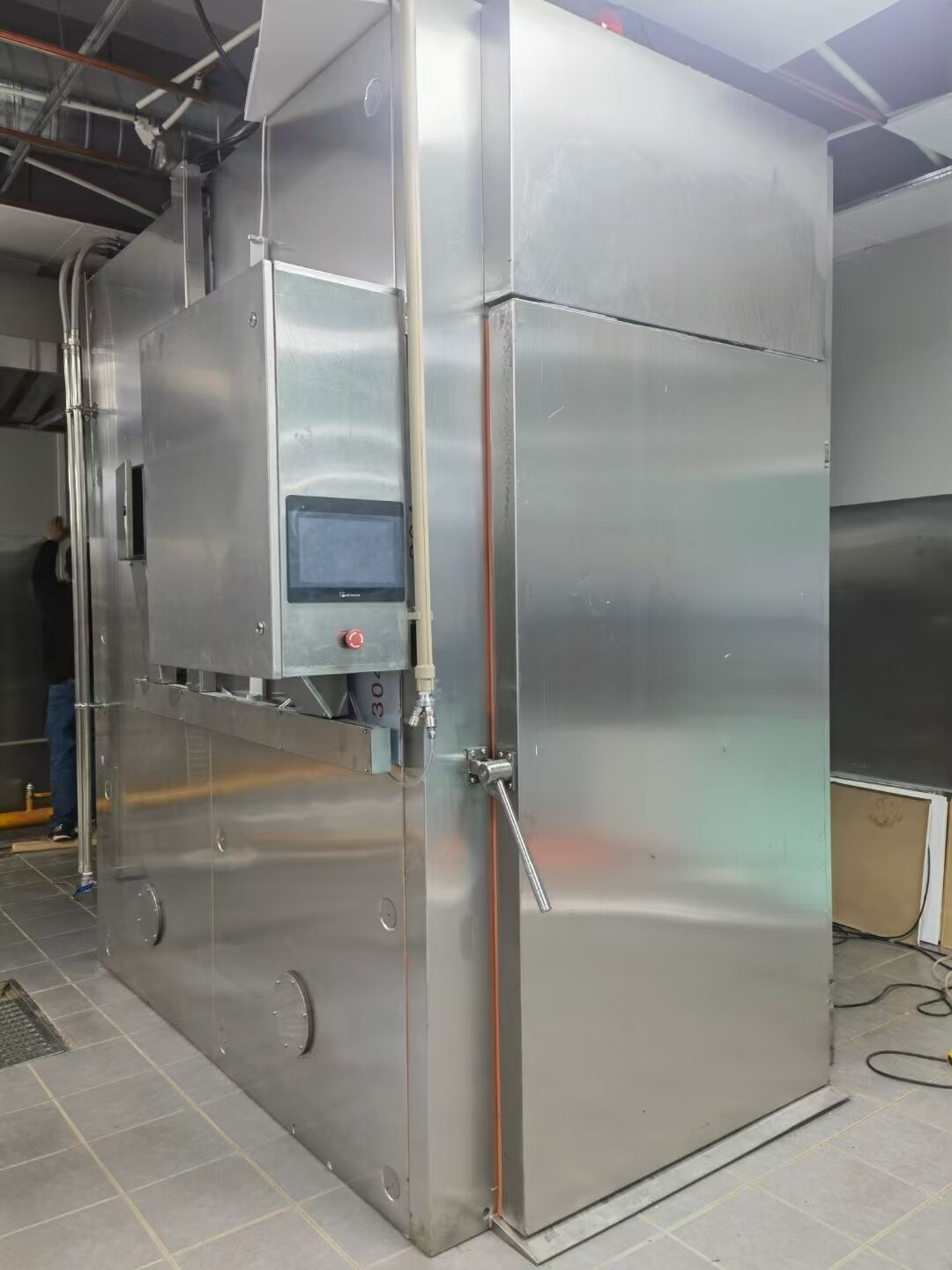
Our lines are compliant with CE, ISO 9001, and QS, equipped with 304 stainless steel and food-grade seals, witching hygienic measures with international standards. By utilizing the quick-release design on the grinding and stuffing components, cleaning is possible within 15 minutes, and with industry CIP (Clean-in-Place) systems, water consumption can be lowered by up to 40%. Our products are ensured their safety as metal detectors and weight checkers are integrated into the packaging stage, with defective unit rejection rate under 0.1%. A case in point, for smoked sausages, our lines are equipped with humidity sensors that guarantee casing spoilage prevention aligned with HACCP and actively monitor protocol compliance.

Related products

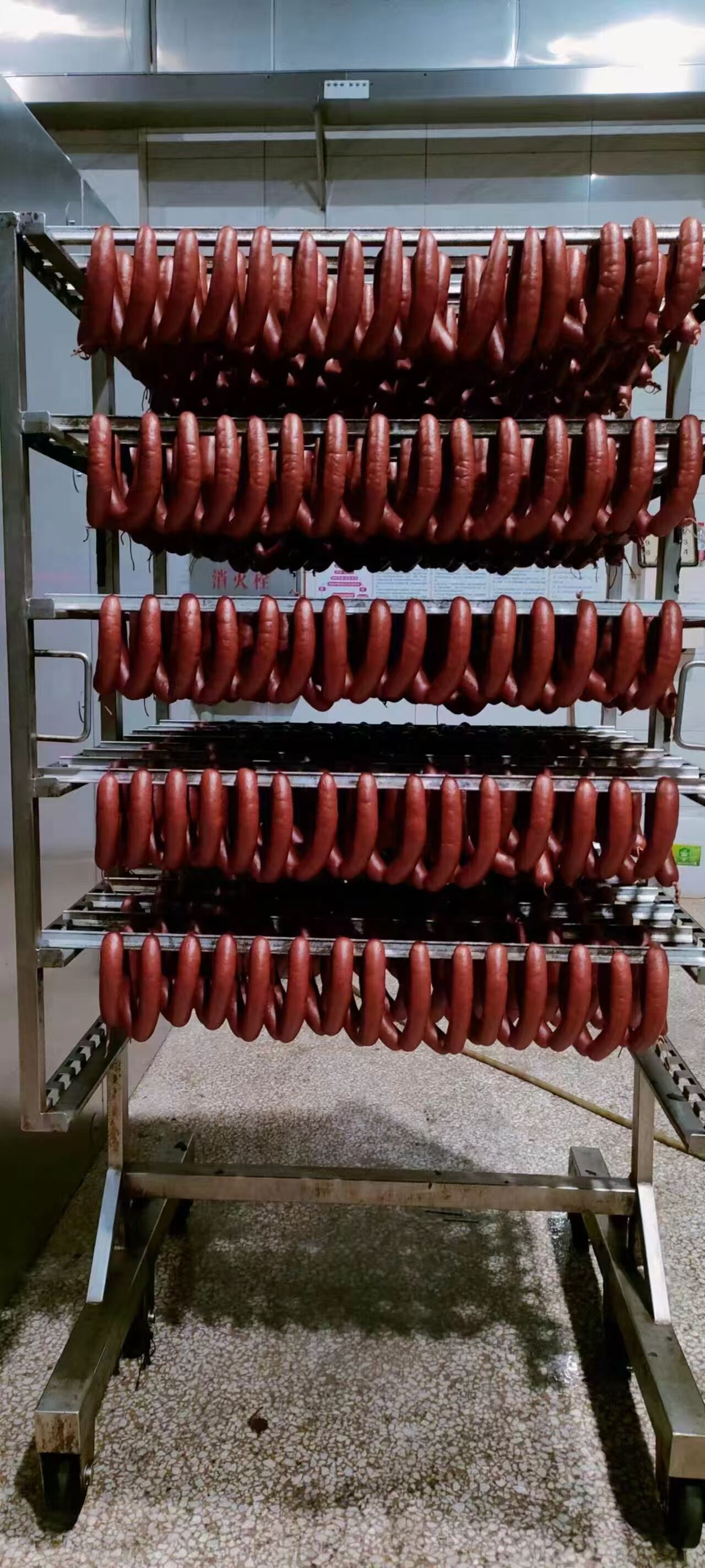
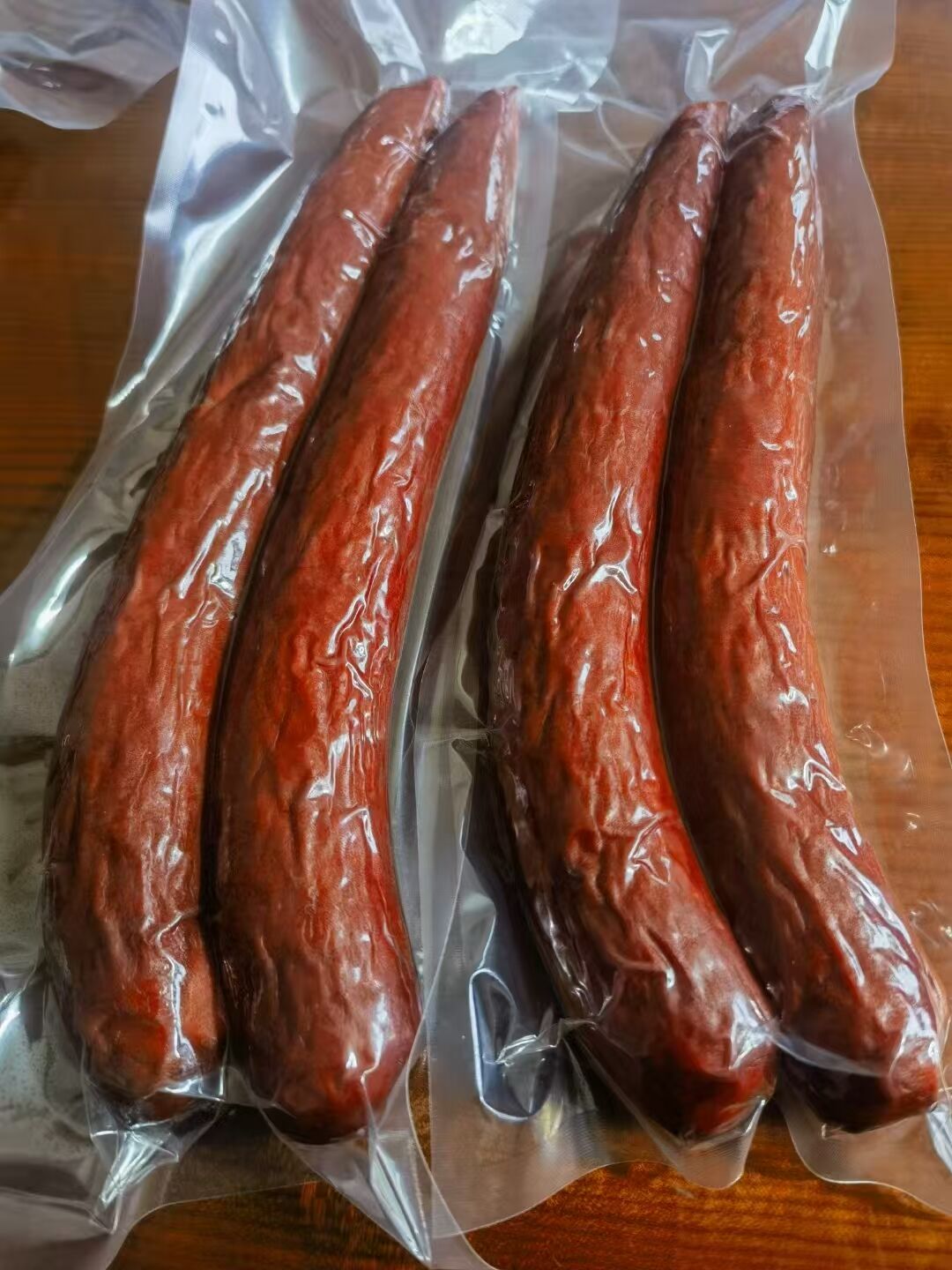
An energy saving sausage line is an integrated, automated system for sausage production (from raw meat processing to final packaging) that incorporates energy-efficient technologies to reduce power, water, and heat consumption—without compromising production speed, product quality, or food safety. It addresses the high energy demands of traditional sausage lines (especially in cooking and cooling stages) by optimizing every process step, making it ideal for sausage processors seeking to lower operational costs and meet sustainability goals (e.g., reducing carbon footprint). The line’s energy-saving features are integrated across all stages: raw meat processing begins with a variable-frequency drive, VFD meat grinder—VFD motors adjust speed based on meat volume, reducing power use by 15%–20% compared to fixed-speed motors. The meat mixer uses a dual-shaft design with optimized blade geometry to reduce mixing time (by 10%–15%) and power consumption, while a vacuum mixing option (to remove air and improve texture) uses an energy-efficient rotary vane pump. Sausage filling is done via a servo-driven filler—servo motors use only the energy needed for filling, cutting power use by 25% compared to hydraulic fillers. The cooking stage (critical for energy use) integrates a heat recovery system: waste heat from the cooking chamber (used to cook sausages at 70℃–80℃) is captured and used to preheat water for cleaning or incoming air for cooling, reducing natural gas or electricity use by 30%–40%. Some models use induction cooking (which heats the sausage directly, not the chamber) for further energy savings. Cooling is optimized with a closed-loop refrigeration system that recirculates cold air, reducing refrigerant use and energy loss, while VFD fans adjust airflow based on sausage temperature. The packaging stage uses a vacuum sealer with an energy-saving mode (auto-shutoff when not in use) and efficient vacuum pumps. Water conservation is also integrated: CIP (Clean-in-Place) systems use low-flow nozzles and recycled water (for pre-rinsing), reducing water use by 20%–30%. The line complies with food safety standards (FDA 21 CFR Part 177, EU 10/2011, HACCP) and includes quality control features (metal detectors, weight checkers). For sausage processors, the energy saving line reduces operational costs by 10%–15% annually (via lower utility bills), aligns with global sustainability regulations (e.g., EU Green Deal), and maintains production capacity (500–2000 kg/hour, depending on model). It is suitable for all sausage types (fresh, smoked, dried) and scales from small artisanal producers to large industrial facilities—helping businesses remain competitive while reducing environmental impact.
Frequently Asked Questions

Can the line handle both fresh and cured sausages?

For the fabrication of fresh sausages, the stuffing and linking modules focus on tame handling to keep the structure. For products needing curing or optional smoking, smoking chambers and precise temperature control (with relative humidity of 50–90%) ensure curing requirements are fulfilled. The line can be cleaned and adapted for different products within hours, which is ideal for multi - product facilities.

Related Articles

Vacuum Skin Packaging: A Game Changer

05

Jun

Vacuum Skin Packaging: A Game Changer

View More
Exploring Packaging Machinery Options

24

May

Exploring Packaging Machinery Options

View More
Tunnel style freezer: 3-30 minutes of rapid freshness locking, solving the efficiency problem in the food industry

05

Jun

Tunnel style freezer: 3-30 minutes of rapid freshness locking, solving the efficiency problem in the food industry

View More
Diversified applications of freeze-drying machines in the food industry

05

Jun

Diversified applications of freeze-drying machines in the food industry

View More

customer evaluation

Jesse
Cost - Effective and Reliable for Startups

As a startup, the focus is always on upfront costs, so we were there for Kangbeit's compact line. It was the balance of affordability and performance that got us on board. We process 100 kg/h batches and seamlessly handle the setup. Now operational costs are lower than projected due to energy efficiency. Their training was exemplary, and we went from producing wasteful restaurant-quality sausages to efficient ones.

Get a Free Quote

Our representative will contact you soon.
Email
Name
Company Name
Message
0/1000
Smart Recipe Management Systems

Smart Recipe Management Systems

The PLC control panel has stored recipes for over 100+ different types of sausages, able to recall settings with a click for Italian sausage or breakfast links. Each recipe sets it’s own grinding fineness, stuffing pressure, and cooking parameters for preset sausage types. This minimizes operator errors and maintains consistency across batches.
Sustainability-Focused Design

Sustainability-Focused Design

Waterless Cooling: This feature is in line with global targets as it reduces water used by 80% compared to traditional systems. Recyclable Material Compatibility: Biodegradable casings and packaging films are supported. Energy Recovery: Energy consumption is reduced by 12% when preheating incoming meat with heat generated from the cooking module. This improvement satisfies sustainability goals globally, positioning our lines as optimal choice supporting eco friendly manufacturers.
Kudan’s Proprietary Technology for Casing Utilization

Kudan’s Proprietary Technology for Casing Utilization

The dual lane casing feeder for natural and synthetic casings automatically adjusts tension preventing breakage. This feature improves the delivery efficiency of delicate natural casing and reduces material waste by 15%.
Newsletter
Please Leave A Message With Us