 EN
EN
Understanding the Core Technologies: How Freeze Dryers and IQF Freezers Work
The Freeze Drying Process and Sublimation in a Freeze Dryer Machine
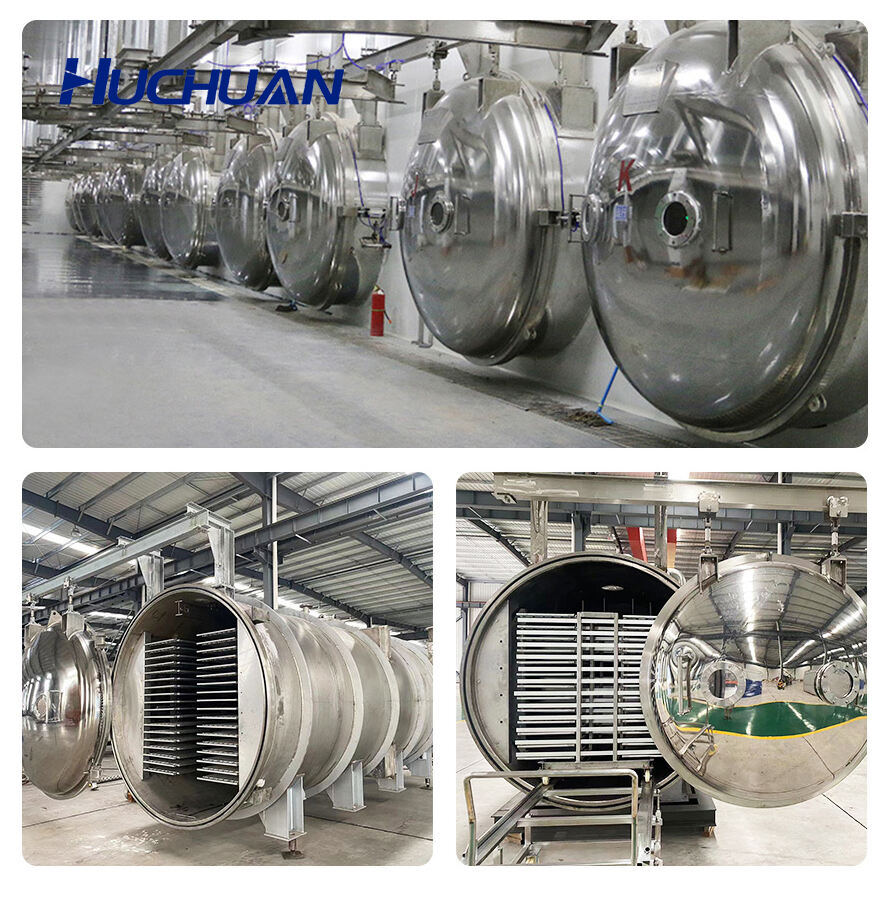
Freeze dryers work their magic by taking out almost all the water from products, usually around 95% to maybe even close to 99%, using something called sublimation. First things first, whatever needs drying gets super cold, somewhere between minus 40 degrees Celsius down to as low as minus 80. After that freezing stage comes the real trick – putting everything into a vacuum chamber where the ice just turns straight into vapor instead of melting first. What makes this whole process so special is how it keeps the original cell structures intact. That's why folks in the pharmaceutical industry love it for those delicate medicines that can't handle heat, plus campers appreciate being able to pack these lightweight meal kits that rehydrate nicely later. These machines, sometimes referred to as lyophilizers if we want to get fancy with terminology, generally run anywhere from 20 up to 40 hours total. Of course, thicker items or ones with higher moisture levels will take longer to complete the drying cycle properly.
IQF Freezing Technology and Its Role in Preserving Fresh Like Texture
IQF freezers work by shooting tiny food pieces such as berries or shrimp with super cold air at around minus 35 degrees Celsius. Each item gets frozen within about 15 minutes or so. Batch freezing isn't nearly as good because it allows bigger ice crystals to form, sometimes over 100 microns according to USDA research from last year. These larger crystals actually break down the cell walls of foods, messing with their texture. What makes IQF special is how it stops enzymes from continuing to work on the food after freezing starts. Most importantly, this process keeps between 85% and almost 92% of all those nutrients intact, which beats out traditional slower methods hands down.
Key Operational Differences: Time, Temperature, and Energy Use
| Parameter | Freeze Dryer | IQF Freezer |
|---|---|---|
| Process Duration | 20 50 hours | 5 15 minutes |
| Operating Temp | 80°C to +30°C (vacuum phase) | 35°C to 40°C |
| Energy Consumption | 1.2 2.5 kWh/kg | 0.3 0.6 kWh/kg |
| Best For | Long term storage, lightweight | Fresh like texture needs |
Freeze drying consumes 4–6 times more energy than IQF freezing but reduces product weight by 70–90%, significantly lowering transportation costs. IQF systems support continuous operation and are better suited for high volume processors requiring throughput of 5–10 tons per hour.
Product Quality Comparison: Texture, Nutrition, and Sensory Attributes
Moisture Content and Structural Integrity: Freeze Dried vs IQF Frozen
Freeze drying takes away around 95 to 98 percent of moisture through a process called sublimation, which leaves behind a kind of spongy structure that actually helps keep cells intact. On the other side of things, IQF frozen items still have all their water content, but when they freeze, bigger ice crystals form inside. These big crystals can tear apart those delicate cell walls over time. Recent studies from 2023 looked at how well different freezing methods hold up. They found that berries dried with freeze drying kept about 89% of their original shape even after going through temperature changes, while the IQF frozen ones only managed to hold onto roughly 76% of their original form. That makes a real difference in quality for certain applications.
Nutrient Retention in Freeze Dryer Machine Versus IQF Freezer Outputs
Lyophilizers preserve heat sensitive nutrients like vitamin C and polyphenols more effectively due to their low temperature vacuum environment. A 2024 agricultural product quality study showed freeze dried spinach retained 92% of folate after six months, compared to 78% in IQF frozen samples.
Rehydration Performance and Consumer Sensory Experience
The way freeze dried stuff works means it soaks up water about two to three times quicker than regular IQF frozen goods because of those tiny channels inside them like little straws. When people did taste tests without knowing which was which, around two thirds actually liked how crunchy the apple slices got after soaking compared to the mushier IQF ones. That said, if keeping colors vibrant matters more, then IQF wins out here. Tests showed frozen peas kept looking better visually by about 15 percent points when compared side by side with their freeze dried counterparts. So there's really no clear winner between these methods depending on what aspect matters most for any given product.
Shelf Life, Storage, and Packaging: Long Term Stability Considerations
Extended Shelf Life Benefits of Freeze Dried Ingredients
When stored correctly, freeze dried ingredients can keep around 97 to nearly 100% of their original quality for well over 25 years because they contain less than 2% moisture according to research published in the Food Preservation Journal back in 2023. The fact that these materials stay stable at room temperature means companies don't need expensive cold storage facilities anymore. We're talking about cutting down on refrigeration expenses by roughly two thirds compared with traditional frozen alternatives. That's why so many drug makers rely on this method for shipping vaccines and active pharmaceutical ingredients across the world without worrying about losing effectiveness during transport.
Cold Chain Requirements and Storage Costs for IQF Frozen Products
Keeping IQF frozen goods properly chilled at around minus 18 degrees Celsius, give or take two degrees, is absolutely critical for maintaining product quality. The tiny ice crystals start growing when temperatures fluctuate, which ruins the texture of the food over time. Running industrial IQF freezers costs operators about $2.10 per square foot each month, which works out to be roughly 40 percent more expensive than regular storage according to Cold Chain Analytics data from 2022. For seafood companies specifically, broken cold chains result in anywhere between 12 to 15 percent loss every year. These numbers highlight just how risky it can be relying on temperature controlled environments for long term storage solutions in the food processing industry.
Packaging Needs: Oxygen Barriers and Moisture Control for Both Methods
| Requirement | Freeze Dried Products | IQF Frozen Products |
|---|---|---|
| Primary Barrier | Oxygen resistant foil laminates | Airtight HDPE/PET composites |
| Critical Parameter | ≈0.1% moisture ingress | ≈0.5% oxygen transmission |
| Secondary Protection | Desiccant packets | Anti condensation coatings |
Both methods rely on multilayer films, but freeze dried products require metallized layers to block UV light—critical for protecting photosensitive nutrients such as vitamin C and riboflavin.
Matching Technology to Product Type and Market Demand
Best applications for IQF: fruits, vegetables, seafood, and ready to eat meals
IQF freezers do a great job keeping those delicate fruits and veggies tasting almost fresh after freezing because they freeze each piece individually so fast. These machines work really well for things like sliced mangoes that go into smoothie packs, frozen veggies for microwave meals, and all sorts of seafood that needs to look good on store shelves. The freezer gets down to around minus 18 degrees Celsius pretty quickly, which helps trap moisture inside the food without creating those big ice crystals that ruin texture. That's why many packages can actually say they're "fresh frozen" when sold in grocery stores.
Ideal products for freeze drying: berries, herbs, full meals, and pharmaceuticals
Freeze drying works wonders for things that need to stay dry but still light over time. Take berries for instance they keep around 97 percent of their antioxidants after going through this process, which beats regular IQF methods when it comes to keeping nutrients intact for those fancy health snacks people love these days. Military food packs and certain meds that cant handle extreme temperatures benefit too, lasting way longer on shelves without needing cold storage sometimes as much as 25 years straight. According to some recent research from last year looking at global trade patterns, freeze dried herbs actually fetch three times what air dried ones do in international markets because they smell so much better after processing. That kind of value difference makes all the difference in what gets shipped where across borders.
Consumer trends: convenience vs. premium nutrition in retail and export markets
Demand diverges regionally: 68% of North American consumers prioritize grab and go convenience, boosting IQF meal component sales, while Asian markets pay 40% premiums for freeze dried superfoods like shiitake mushrooms. Hybrid formats—such as IQF frozen vegetables in freeze dried soup mixes—are growing 18% annually in outdoor recreation markets.
Strategic alignment with brand positioning and target market expectations
The technology a company picks really needs to match what it promises customers. Take budget meal kits for instance—they often go with IQF because it saves money on operations. Organic supplement makers tell a different story though. They rely heavily on freeze dryers if they want to back up those 'raw nutrients' claims their marketing makes. For exporters dealing with places where refrigeration isn't reliable, freeze drying has become something of a lifeline. Products don't spoil as much this way, which matters a lot in hot climates. Some studies show customer retention jumps around 30% when companies make this switch in tropical areas, so it's no wonder more businesses are looking at freeze drying these days.
Cost, Scale, and Operational Efficiency: Making the Right Investment
Capital Cost and ROI: Freeze Dryer vs IQF Freezer for Different Production Scales
The upfront cost for freeze dryer machines sits at around 2 to 3 times what IQF freezers cost initially, though return on investment really depends on how big the operation is. For smaller producers handling less than one ton per day, IQF makes more sense financially because the equipment runs between $150,000 and $300,000, and they typically see their money back within 18 to 24 months. When looking at bigger operations that process five tons or more each day, freeze dryers start to look better in the long run. These larger facilities can maintain about 97% of their product's value with freeze drying compared to just 82% with IQF methods according to market research from Future Market Insights in 2023. The difference adds up over time for serious volume producers.
Labor, Maintenance, and Throughput Efficiency in Industrial Settings
IQF freezers definitely consume around 30% more power per kilogram than other methods, but the good news is that automated freeze dryer systems can cut down labor expenses by about 40% because they keep running without needing constant attention from workers. According to a report from Gartner in 2023, maintenance costs at IQF facilities range between $18 and $22 per ton, while freeze dryers only cost around $12 to $15 per ton to maintain. Still, when it comes to getting things done quickly, IQF has the edge. For example, vegetable processing plants using IQF can handle up to 5 tons every hour, whereas most freeze drying operations manage only about 0.8 tons per hour. That makes a big difference when time matters.
Future Proofing: Sustainability and Innovations in Hybrid Freezing Systems
Many top manufacturers are now turning to hybrid freezing systems that mix IQF's fast freezing method with freeze dryer components for the final drying stage. This combination cuts down on energy consumption around 25% compared to traditional methods, plus it makes products last longer on shelves. According to recent industry reports from Praxie Automation (Trends 2024), roughly one third of all food processing companies have these kinds of systems in their plans to cut down carbon emissions before 2025. The modular nature of these setups means businesses can expand gradually as needed. For mid sized producers especially, this approach helps manage initial investment costs while still keeping options open for future growth and changing market demands.
FAQ Section
What is the main difference between freeze drying and IQF freezing?
Freeze drying removes moisture through sublimation under low temperatures, preserving structural integrity while IQF freezing rapidly freezes foods individually to maintain texture but with bigger ice crystals.
Which method is better for nutrient retention?
Freeze drying is better for preserving heat sensitive nutrients due to its low temperature vacuum environment, while IQF freezing retains most traditional nutrients but can be less effective for heat sensitive ones.
Are there storage requirements for freeze dried products?
Freeze dried products remain stable at room temperature and require less than 2% moisture content for prolonged shelf life without refrigeration.
Why might companies choose IQF over freeze drying?
IQF is generally more cost effective for smaller operations, supports high volume throughput, and maintains fresh like texture, making it suitable for ready to eat meals and delicate produce.
What are the benefits of hybrid freezing systems?
Hybrid systems that combine IQF and freeze drying reduce energy use by about 25% and improve product shelf life, offering sustainability benefits and operational flexibility.
Table of Contents
- Understanding the Core Technologies: How Freeze Dryers and IQF Freezers Work
- Product Quality Comparison: Texture, Nutrition, and Sensory Attributes
- Shelf Life, Storage, and Packaging: Long Term Stability Considerations
-
Matching Technology to Product Type and Market Demand
- Best applications for IQF: fruits, vegetables, seafood, and ready to eat meals
- Ideal products for freeze drying: berries, herbs, full meals, and pharmaceuticals
- Consumer trends: convenience vs. premium nutrition in retail and export markets
- Strategic alignment with brand positioning and target market expectations
- Cost, Scale, and Operational Efficiency: Making the Right Investment
- FAQ Section